
Nepal Launches Scientific Probe into Devastating Glacial Collapse and Flooding
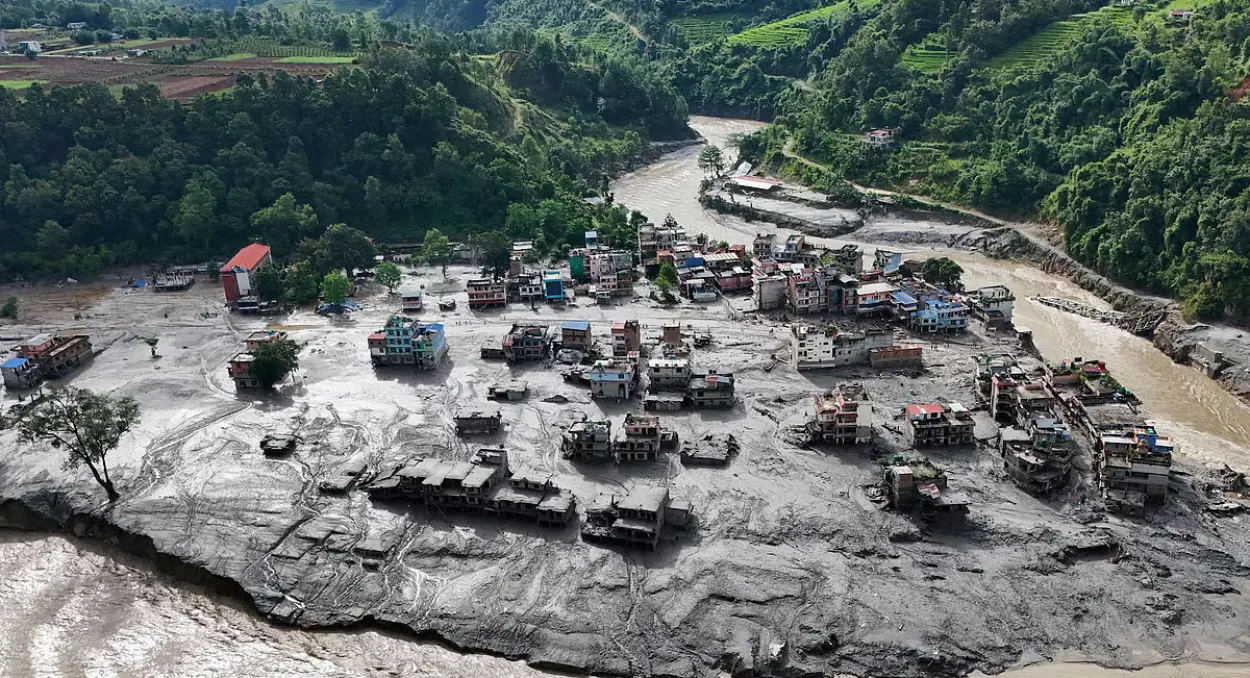
Photo: Collected
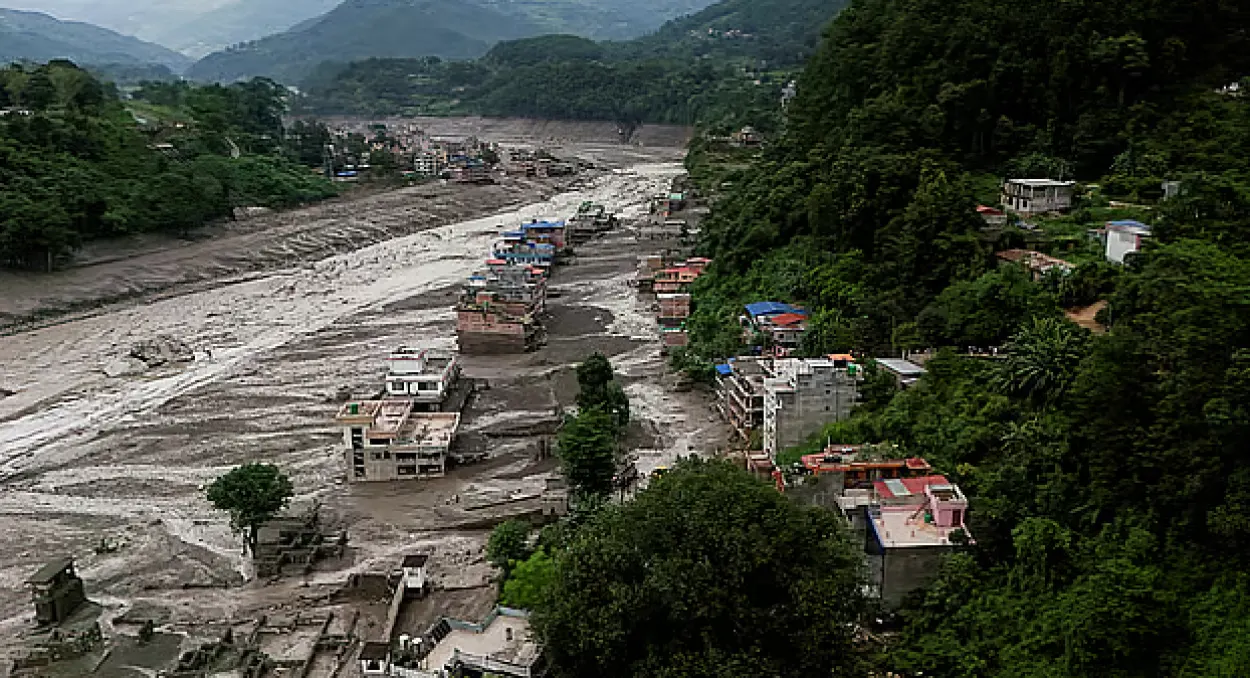
The Nepalese government has ordered a comprehensive scientific investigation to determine the causes, mechanisms, and potential link to climate change behind the devastating glacier collapse and subsequent floods that struck the country on August 26.
The Ministry of Energy, Water Resources and Irrigation has formed a seven-member expert panel comprising specialists in hydrology, glaciology, geology, remote sensing, hydroelectric infrastructure, and disaster risk reduction to lead the probe.
According to the ministry, the panel will conduct on-site research stretching from the disaster's source to the affected downstream areas, examining the geological, glacial, and hydroelectric processes involved. The decision for an in-depth investigation follows a preliminary assessment which concluded that existing scientific evidence was insufficient to pinpoint the exact origin, the physical processes that triggered the event, or how the sequence of events propagated downstream through the Bhote Kosi river system. The government aims to ascertain whether the catastrophe was driven by a cascading series of high-altitude geological, glacial, and hydroelectric hazards, rather than standard flooding or heavy rainfall.
Tisharam Baral, joint secretary at the Water and Energy Commission Secretariat, noted that even by global standards, the incident is rare and requires detailed research before drawing conclusions. He added that an appropriate name for the disaster will be determined once all scientific evidence is gathered.
The seven-member panel is being coordinated by water policy and governance expert Debesh Belbase. The other members include hydrologist Narendra Man Shakya, glaciologist Rijan Bhakta Kayastha, remote sensing expert Uttam Babu Shrestha, geologist Meghraj Dhital, hydroelectric infrastructure expert Hari Pandit, and disaster risk reduction expert Anil Pokhrel.
Ministry spokesperson Mohan Kumar Shrestha stated that the research will simultaneously examine geology, temperature, and water systems while evaluating the potential role of climate change in the disaster. A key objective of the investigation is to identify critical lessons for the energy sector. The Bhote Kosi disaster caused extensive damage across the Trishuli corridor, raising serious concerns regarding the vulnerability of hydroelectric infrastructure to similar events across other river systems.