
Female Bus Drivers in Bangladesh Face Online Harassment and Trolling Amid New Pink Bus Service Launch
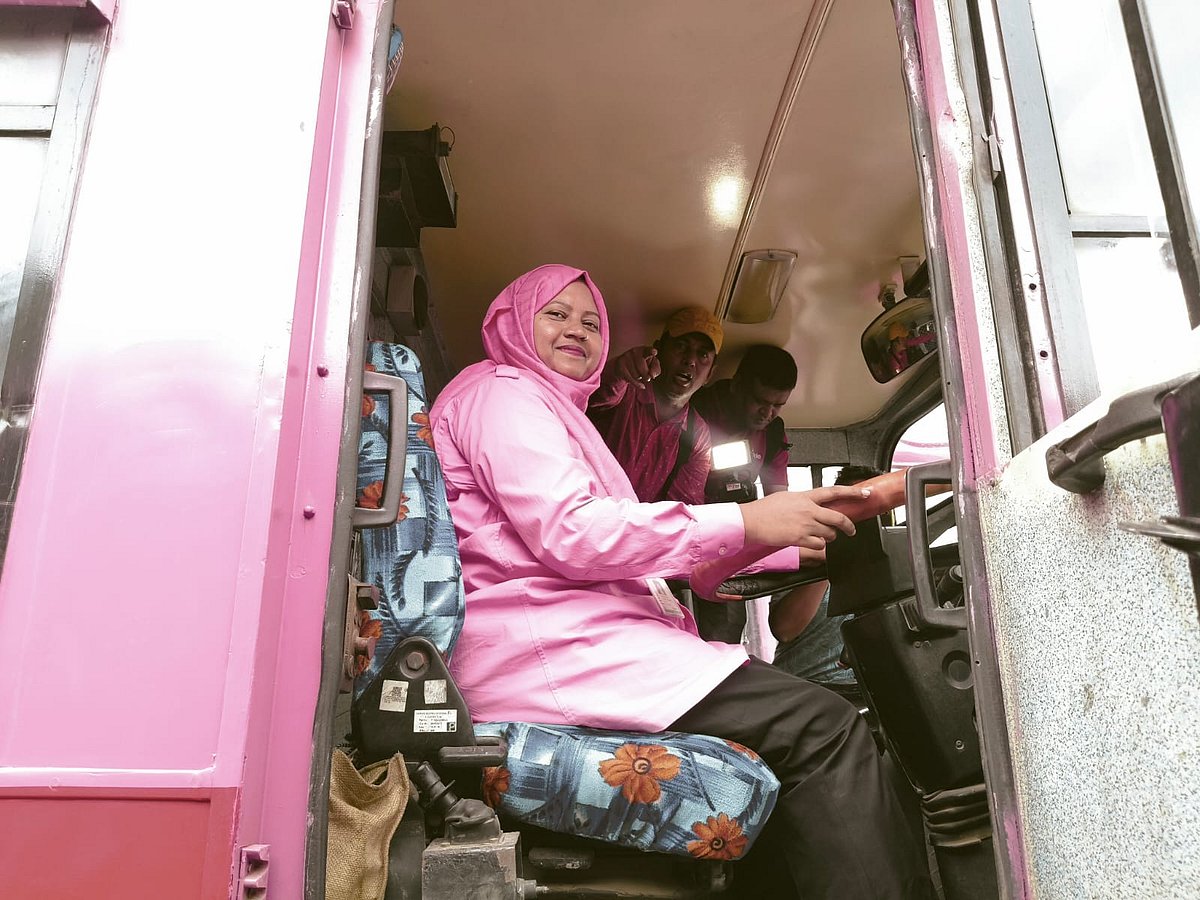
Photo Collected
DHAKA — Bangladesh’s state-run bus service, the Bangladesh Road Transport Corporation (BRTC), has launched a dedicated transport initiative for women, deploying 14 buses across 13 routes in Dhaka, Bogura, and Chattogram. Known as “Pink Buses,” the service represents the first time the government has implemented a transport system operated entirely by women for women.
However, the initiative has been met with a wave of online harassment. Female drivers, who are central to this program, report being the targets of persistent trolling and misogynistic commentary on social media. Despite the backlash, these drivers express a resolute determination to continue their professional duties while navigating a complex public reception.
The Pink Bus service, which includes 10 routes in the capital featuring a mix of single-decker and double-decker buses, is currently staffed by 15 female drivers and 24 female conductors. While female passengers have largely welcomed the service as a step toward safer transit, the project faces criticism from skeptics who argue that the government should prioritize making the entire public transport system inclusive rather than creating segregated services that may suffer from low frequency and long wait times.
BRTC officials have largely declined to comment on the backlash, citing directives from the relevant ministry to remain silent on the controversy. Internally, the agency is managing logistical challenges, including a shortage of staff and the necessity of using male instructors to oversee the female drivers as they transition into their new roles.
Khadija Akter, a 28-year-old former homemaker turned professional driver, is among those facing digital abuse. After training with the BRTC five years ago, she progressed to become an instructor before taking the wheel for the Pink Bus service.
“We have received professional training and are fully capable of controlling these vehicles,” Akter said. “I feel proud to be a driver. Helping other women reach their destinations safely provides me with great strength.”
Despite the verbal abuse, Akter remains defiant. “Some content creators are mocking us rather than looking at this initiative positively. I want to tell them that they cannot stop us with their negativity. We are proving that women can succeed in every sector of the country.”
Other drivers share this sentiment. Mosammat Sathi Khatun, who holds a degree and is currently pursuing a law degree, noted that her family has been a source of significant support. “People will always talk,” she said. “If we listen to their disparaging remarks, we will never make progress. We have the self-confidence to succeed, and our presence here will encourage other unemployed women to join the workforce.”
For Mosammat Rabeya Khatun, a master’s degree holder who earned her heavy vehicle license this year, the harassment is an expected hurdle in a male-dominated society. While she expressed reluctance to speak on camera due to the fear of further social media attacks, she maintained that societal change is necessary.
“We knew we would face challenges coming into this profession,” Rabeya said. “Whether we perform well or poorly, people will troll us. We are determined to prove our competence through our work and hope for better cooperation on the roads from both passengers and fellow citizens.”
BRTC management currently plans to integrate 100 electric buses into the fleet, pending an increase in the number of trained female drivers. For now, the female staff are focused on maintaining their schedules—typically operating two shifts a day—and ignoring the digital noise in favor of establishing a reliable, female-led transit network.
0%
0%
0%
0%