
Tarique Rahman urges end to politics of vengeance, commits to media freedom
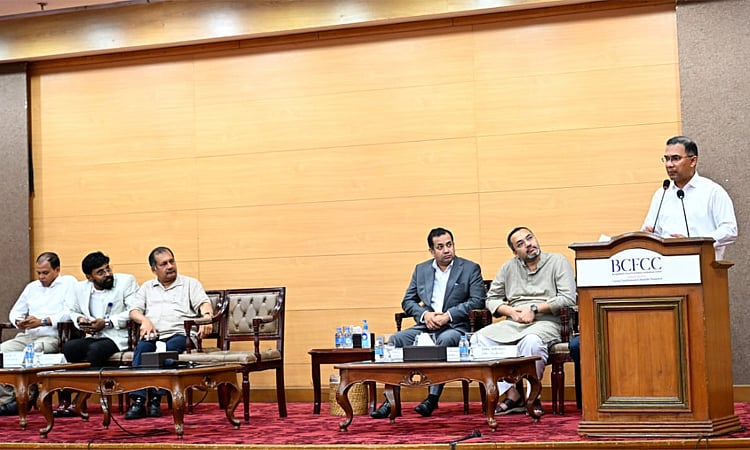
Photo Collected
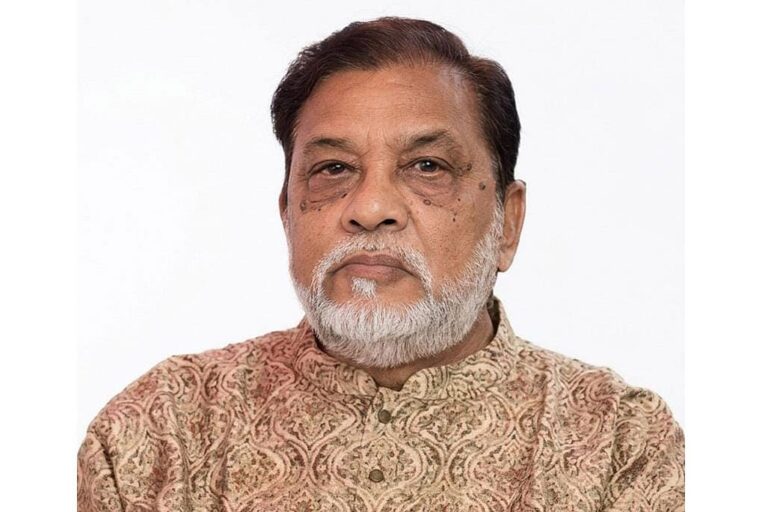
Prime Minister Tarique Rahman has called for a departure from the cycle of political retribution, urging a collective shift in mindset to focus on national development rather than settling past grievances. Speaking at an interactive session with journalists covering the Bangladesh Nationalist Party (BNP) at the Bangladesh-China Friendship Conference Center on Tuesday, the Prime Minister emphasized that vengeance serves no constructive purpose for the country’s future.
Reflecting on his personal experiences, the Prime Minister asserted that seeking payback for past wrongs would not undo the damage already inflicted. Instead, he advocated for a shared commitment to building the nation, noting that success is secondary to the sincerity of the intent to work for the public good. He encouraged journalists to engage in constructive criticism, acknowledging that while the government may commit errors, a free and responsible press is vital for guidance.
বিজ্ঞাপন
Highlighting the importance of media freedom, the Prime Minister contrasted the current landscape with the events of June 16, 1975, a day historically observed as “Black Day” for the Bangladeshi press. On that date, the BAKSAL government mandated the closure of all newspapers except for four state-controlled publications and effectively banned all political parties. He credited the late President Ziaur Rahman for restoring multi-party democracy and lifting the severe restrictions placed upon the media during that period.
The Prime Minister explicitly sought the cooperation of the media, describing the press as an essential partner in governance. He argued that the government cannot function effectively in isolation and requires feedback from journalists to distinguish between successful policy implementations and areas that require reform. By fostering a collaborative relationship, he stated, the media can help identify the path toward effective governance and national progress.
বিজ্ঞাপন
The event, moderated by Deputy Press Secretary Zahidul Islam Rony, was attended by key government figures, including Information Minister Zahir Uddin Swapan, State Minister Yasser Khan Chowdhury, and several high-ranking advisors and press officials. The session underscored a broader administration objective of maintaining open communication with the press as a cornerstone of its democratic mandate.
0%
0%
0%
0%