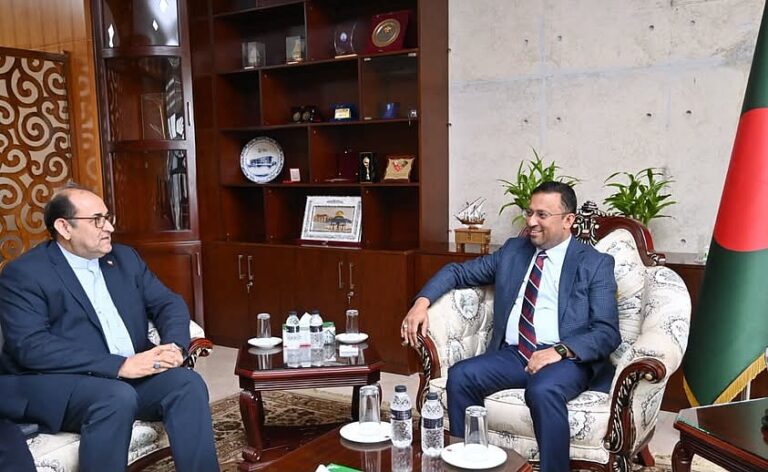

State Minister for Power and Energy Anindya Islam Amit promises visible improvement in electricity supply within 15 days
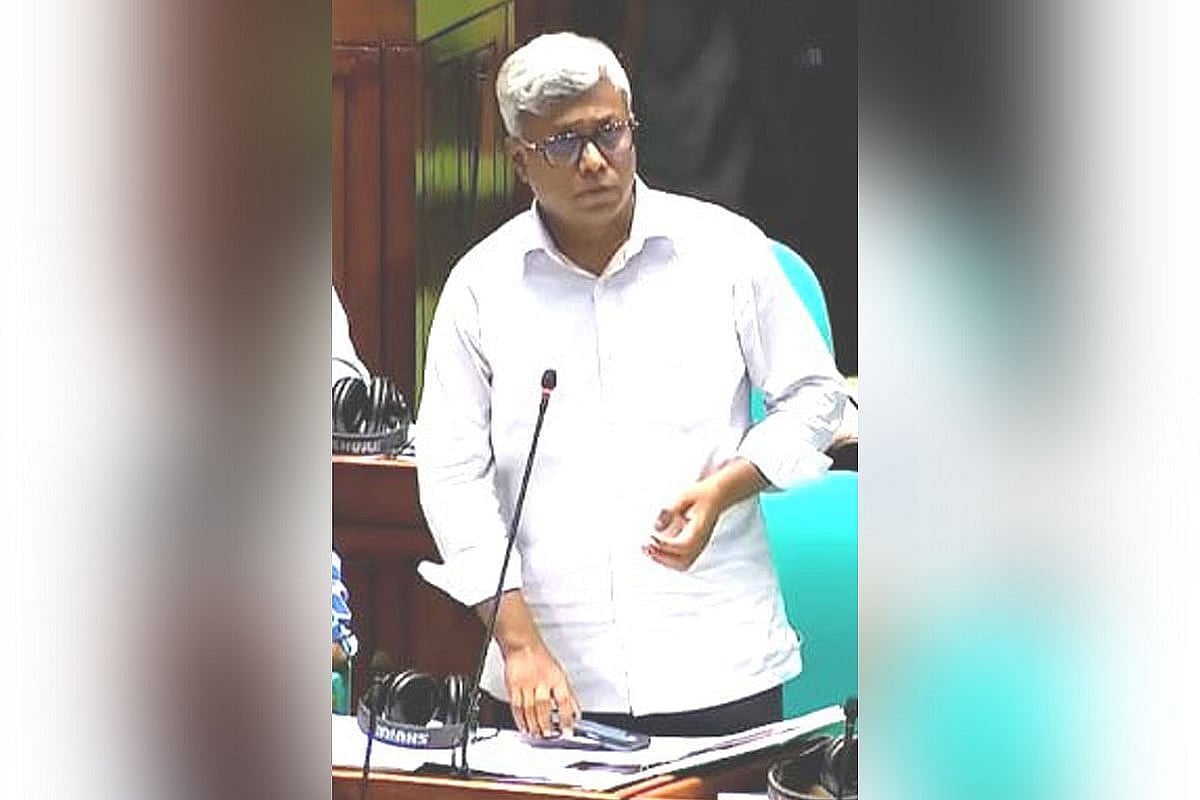
Photo Collected
State Minister for Power and Energy Anindya Islam Amit vowed in Parliament on Wednesday that the nation’s power situation will see visible improvement within the next 15 days. Addressing the ongoing energy crisis, the minister pledged that the government is making maximum efforts to prevent a recurrence of the supply disruptions experienced by citizens during August.
Responding to a supplementary question from opposition lawmaker Nurul Islam Bulbul during a session presided over by Speaker Hafiz Uddin Ahmed, the State Minister acknowledged the severe public distress caused by recent power and gas shortages. He expressed the government’s regret, stating he would not attempt to mask the reality of the situation behind rhetoric.
The Minister attributed the current crisis to a combination of long-standing flawed policies in the energy sector and fresh pressures stemming from the ongoing Middle East conflict, which has hampered fuel imports. He emphasized the limitations of an energy strategy heavily dependent on gas, noting that the country’s gas-based power plants have a combined capacity of 12,000 megawatts.
To operate these plants at full capacity, the country would require 1,900 million cubic feet of gas daily. However, current supply levels—derived from domestic production and imported Liquefied Natural Gas (LNG)—range between 2,300 and 2,700 million cubic feet, forcing the government to balance demand across the industrial, power, and residential sectors.
The Minister also outlined specific technical and contractual bottlenecks currently impacting supply. He noted that one 616-megawatt unit at the Payra Power Plant is offline due to technical defects, while a similar unit at the Matarbari Power Plant is suspended for maintenance. Furthermore, power imports from India’s Adani Group have fallen short of the 1,600-megawatt contract; the state is currently receiving approximately 900 megawatts during the day and 1,100 megawatts in the evening.
Additional complications arose from malfunctions in two Floating Storage and Regasification Units (FSRUs), which began on July 21 and required 22 days for repairs. The Minister claimed that approximately 88 percent of the resulting supply disruption has now been addressed.
Looking forward, the government is prioritizing the restoration of the dormant units at the Payra and Matarbari plants. To mitigate future risks, the State Minister highlighted long-term strategies, including the promotion of rooftop solar energy, expressing optimism that these measures will spare the public from similar crises during the next summer season. He concluded by welcoming the scrutiny of lawmakers, affirming the government’s commitment to transparency regarding the energy sector.
0%
0%
0%
0%
More News from Local