
Severe Gas Shortages Force Dhaka Residents to Rely on Wood Stoves and Expensive Alternatives
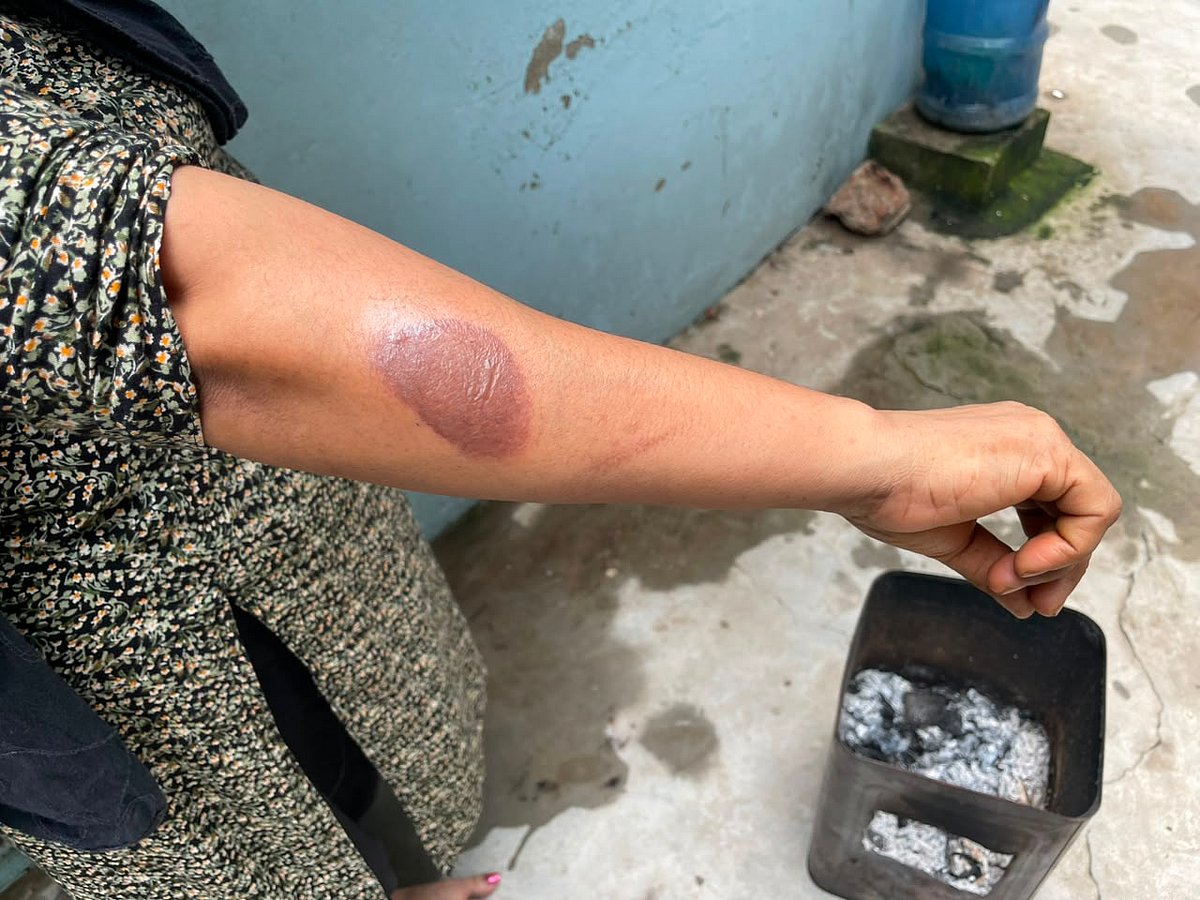
Photo Collected
Residents across several neighborhoods in Dhaka are grappling with a severe and protracted natural gas shortage, forcing families to abandon standard kitchen routines and resort to expensive or hazardous alternatives. In areas like North Kazipara and Sheorapara, residents report that gas supply has been intermittent or entirely absent for weeks, disrupting daily life and inflating household expenses.
The crisis has left many families struggling to prepare basic meals. Lima Khatun, a resident of North Kazipara, described the daily uncertainty of waiting for a pressure that rarely arrives. To cope, many have turned to wood-burning stoves, often set up on rooftops or in cramped makeshift spaces. These alternatives have proven dangerous; some residents, such as neighbor Shilpi, have suffered severe burns from improvised tin stoves, in addition to the mounting costs of purchasing firewood and medical treatments for injuries.
For working couples like Abu Musa and his wife in West Kazipara, the absence of gas has necessitated a shift toward electrical appliances like rice cookers. However, for those without such means, the situation is increasingly desperate. Individuals like Mohammad Forkan, who lives alone, reported that the meager gas supply available at dawn is often insufficient to fully cook a meal, forcing him to discard half-cooked food and rely on snacks like flattened rice and bananas.
The regional shortage is tied to broader supply issues, including technical failures at key infrastructure facilities. According to reports, one of two floating liquefied natural gas (LNG) terminals in Maheshkhali, operated by the U.S.-based Excelerate Energy, is currently offline due to a fire. This has caused daily national gas supply to drop to 2.15 billion cubic feet, significantly below the national demand of 3.8 billion cubic feet. Even with the terminal fully operational, the system capacity of 2.7 billion cubic feet remains well short of the country’s needs.
As the crisis continues, the demand for portable liquefied petroleum gas (LPG) cylinders has surged, leading to supply bottlenecks and price hikes. Local retailers report that they are struggling to keep up with the increased volume of sales, often selling 12-kilogram cylinders at prices well above government-mandated rates.
The impact extends beyond cooking; the lack of gas has hindered basic hygiene, as many residents can no longer boil water for drinking. Some families are now forced to travel long distances to fetch safe water or purchase it outright. With many landlords prohibiting the use of firewood stoves due to fire risks, some residents are compelled to cook in the middle of the night whenever pressure briefly returns, further compounding the physical and mental toll on the community.
0%
0%
0%
0%