
Reconstruction Faces Demands Over Accountability
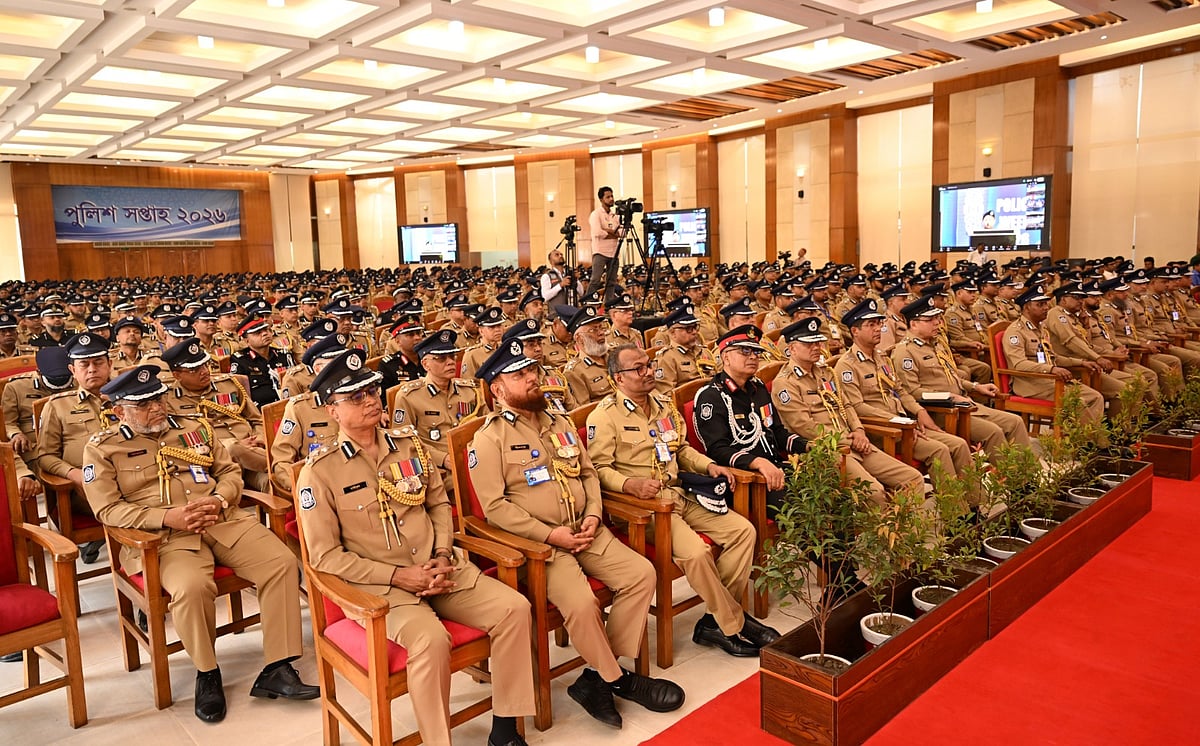
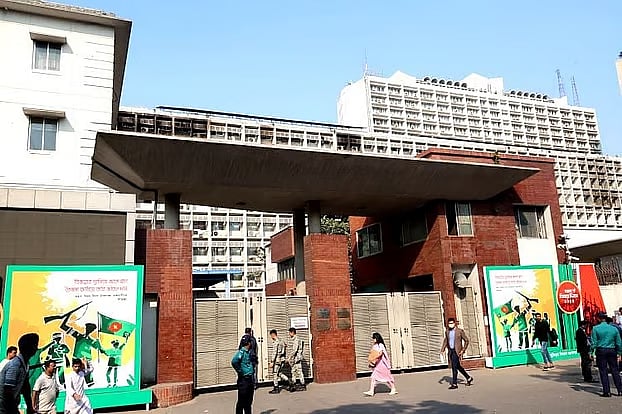
Photo Collected
Bangladesh’s Police Week 2026, which concluded last Wednesday, was predominantly marked by discussions on demands for personnel benefits and privileges, largely overshadowing critical issues of reconstruction, professionalization, and rebuilding public trust for the force following a recent public uprising.
The four-day event, themed “My Police, My Country, Bangladesh First,” saw extensive focus on various demands from the force. However, pressing questions regarding the police’s overhaul after the public unrest, enhancing professionalism, restoring public confidence, and ensuring accountability received comparatively little attention, according to participants. Discussions among officers from various ranks failed to prioritize core issues such as post-uprising reconstruction strategies, methods for professional development, approaches to current law enforcement challenges, necessary preparations, and mechanisms for accountability.
বিজ্ঞাপন
Instead, significant emphasis was placed on advocating for an independent pay scale, resolving housing shortages, and securing police deployments in foreign embassies and the Passport Directorate. While some discussions touched on boosting technological capabilities, with Home Minister Salahuddin Ahmed specifically advocating for the use of body-worn cameras, no concrete action plan emerged from the police to address the widespread public trust deficit that arose after the recent public upheaval.
The annual Police Week commenced last Sunday, bringing together commissioners from all metropolitan police forces, superintendents from 64 districts, heads of various Dhaka-based units, and senior officials. They held meetings with Prime Minister Tareque Rahman, the Home Minister, relevant cabinet ministers, and Inspector General of Police (IGP) Md. Ali Hossain Fakir. While these meetings were not open to journalists, multiple participating police officials confirmed that improvements in law and order, ensuring public safety, force reconstruction, and enhancing accountability were not central to the discussions.
বিজ্ঞাপন
Police sources indicated that officials pushed for an independent salary structure akin to that of the armed forces and judiciary. Other demands included honorary promotions for personnel from constable to sub-inspector before retirement, increased allocations for investigation expenses, interest-free loans for sub-inspectors to purchase motorcycles, and modernization of technology. Many of these longstanding and essential demands have seen some government acceptance over time.
Transforming police stations into more service-oriented facilities, ensuring accountability, improving the quality of case investigations, and fostering changes in professional conduct among officers were comparatively marginalized topics. A police official, speaking on condition of anonymity to *Prothom Alo*, expressed disappointment: “We had hoped this Police Week would feature clear discussions on how the force could regain public trust, but a large part of the discussion revolved around promotions, postings, and benefits.”
Despite the internal focus on demands, both Prime Minister Rahman and Home Minister Ahmed delivered stern directives on maintaining law and order, urging the police to be public-friendly and uncompromising in combating crime.
A notable issue during the week was the unexpected suspension of medals. Traditionally awarded annually for bravery, commendable service, solving significant cases, crime control, efficiency, dedication, integrity, and discipline, a list of 115 recipients had been prepared for this year. However, news of the awards’ suspension broke on the night of May 9, the day before the ceremony. Police provided no official explanation, but multiple sources suggested that objections were raised regarding many selected candidates, while others believed deserving individuals were excluded. This reportedly caused resentment among police members and reached higher levels of government, leading to the suspension.
Another controversy involved Dhaka Range Deputy Inspector General (DIG) Rezaul Karim Mallick, whose public statement about adhering to the ideals of a nationalist political party, despite being a senior officer in a professional state force, drew widespread criticism internally and externally. Several police officials commented that Police Week serves as a platform to project professionalism, solidarity, and impartiality, and such a political statement from a DIG-ranked officer further damaged the force’s image. An anonymous police official remarked, “If it becomes a norm to embrace the ideology of one party when another leaves, then when will the police’s character truly change?” A high-level police source indicated that the government’s top brass expressed discontent over the statements made by the two officers, prompting the IGP to reportedly caution those involved.
As Police Week concluded, internal questions arose within the force: Will the police learn from the impact of the public uprising and rebuild itself, or will the old culture of political allegiance once again dominate? Observers believe that effective action plans focused on professionalism, impartiality, and accountability are urgently needed to improve law and order and restore public trust. Former IGP Abdul Kaiyum told *Prothom Alo* that the demand for police reform stems from society itself, and he expects the government to re-evaluate and implement necessary changes. He emphasized that gaining public trust remains the police’s primary objective.
0%
0%
0%
0%