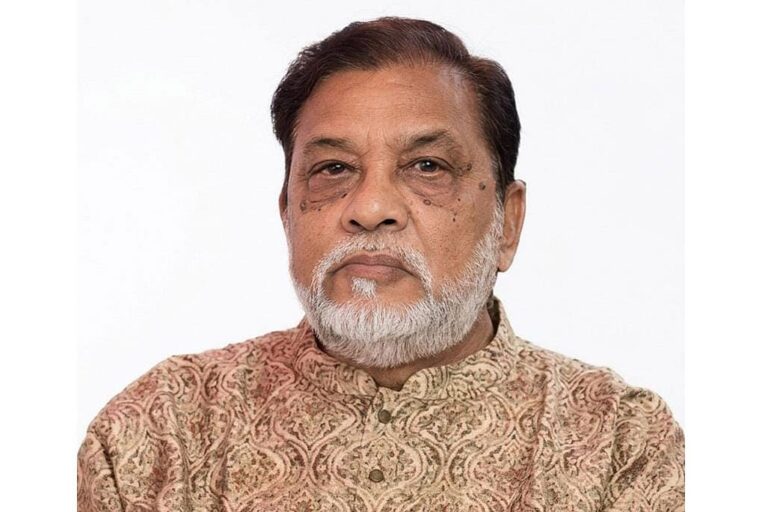


National Professor A. K. Azad Khan Reflects on a Lifetime of Medical Research and Public Health Advocacy

National Professor Dr. A.K. Azad Khan, a stalwart of Bangladesh’s medical landscape, traces his journey from a modest village in Barishal to the pinnacles of global medical research and institutional leadership. Born in 1941 in Krishnakathi village, his academic foundation was built on his father’s insistence on a rigorous primary education. He attended the mission school in Padrishibpur, a formative environment that sparked his early interest in history and the broader mechanics of social development.
Moving to Dhaka in 1958, Khan transitioned from Notre Dame College to Dhaka College, a pivot he credits as a transformative decision due to the mentorship of intellectual luminaries like Kabir Chowdhury and Mofazzal Haider Chowdhury. By 1960, he entered Dhaka Medical College, marking a rare choice for high-achieving students of that era. During his medical training, he became acutely aware of the prevalence of gastrointestinal diseases in rural communities, setting the trajectory for his lifelong research focus.
বিজ্ঞাপন
A Commonwealth Fellowship in 1972 took Dr. Khan to the University of Oxford, where he found his academic voice. He describes the environment as one that prioritized critical inquiry and autonomous thinking over rote learning. His groundbreaking research on ulcerative colitis, published in the *Lancet*, provided critical insights into the efficacy of key treatments. Notably, he and his team eschewed patenting the discovery, prioritizing affordable patient access over commercial gain.
Upon returning to Bangladesh, Dr. Khan became the driving force behind the Diabetic Association of Bangladesh. Following the passing of the organization’s founder, Dr. Mohammad Ibrahim, Khan assumed a leadership role that oversaw the expansion of BIRDEM, the Ibrahim Cardiac Hospital, and various educational institutions. His stewardship transformed these entities into central pillars of the nation’s healthcare infrastructure.
বিজ্ঞাপন
Dr. Khan remains a vocal advocate for diabetes prevention, emphasizing that Type-2 diabetes is largely manageable through lifestyle modifications. He highlights physical inactivity and overconsumption as the primary culprits behind rising health crises. His commitment to public health has transcended conventional medical practice; he has successfully leveraged community networks, including collaborating with the Islamic Foundation to disseminate health awareness through religious sermons.
Reflecting on the state of the nation’s healthcare, Dr. Khan champions two core reforms: the decentralization of health services away from Dhaka and the stabilization of medical education departments. His life’s work, stretching from a village schoolhouse to the laboratories of Oxford and the administrative helm of Bangladesh’s health sector, remains a testament to the power of integrating rigorous research with grassroots social advocacy.
0%
0%
0%
0%