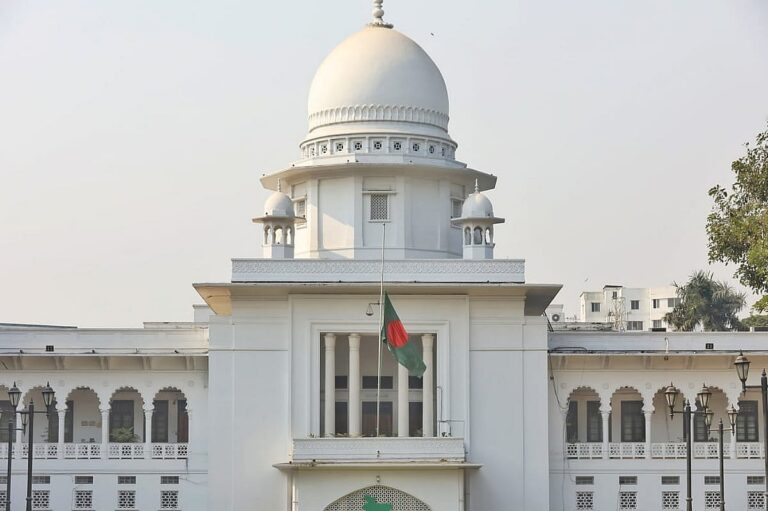


Long lines of oil disappear, pump owners cite a few reasons
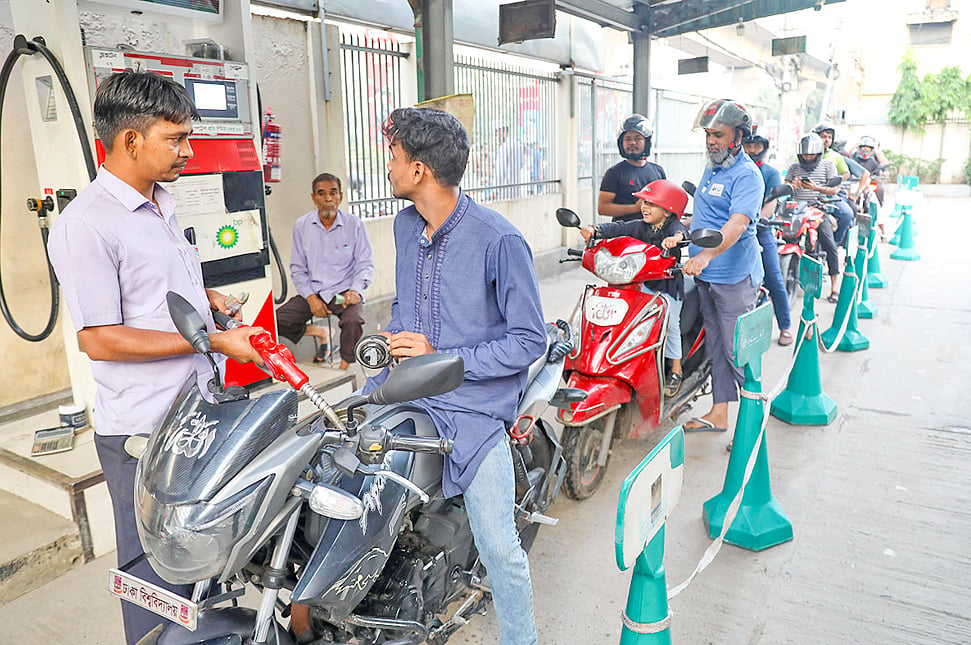
Photo Collected
DHAKA, BANGLADESH — The acute crisis and chaotic queues at the nation’s filling stations have permanently eased, with normal operational rhythms returning across the country. The frantic, two-month rush of panicked motorists and long lines of vehicles has largely disappeared, leaving many pumps empty during off-peak hours and others managing regular, fluid traffic.
According to joint evaluations by the Bangladesh Petroleum Corporation (BPC) and major state oil marketing giants—Padma, Meghna, and Jamuna—the sudden stabilization is the result of an aggressive 10-day market intervention strategy. A massive increase in daily fuel dispatches, historic pricing adjustments, and the introduction of a digital “Fuel Pass” tracking system have successfully broken the cycle of panic buying and illegal hoarding.
বিজ্ঞাপন
The domestic energy market was thrown into severe volatility following joint US-Israeli military strikes on Iran on February 28, which triggered immediate global energy supply fears. In Bangladesh, sales of octane, petrol, and diesel doubled between March 1 and March 4 compared to normal historical baselines. Although the government briefly experimented with rationing before lifting it, reduced imports in March and early April further intensified public panic. The market reached its most critical point on April 18, when the government issued a notification raising fuel prices to the highest levels in the nation’s history:
- Diesel: Increased from BDT 100 to BDT 115 per liter.
- Octane: Increased from BDT 120 to BDT 140 per liter.
- Petrol: Increased from BDT 116 to BDT 135 per liter.
Strategic Surge in Daily Fuel Supplies
Following the price hike, the BPC completely overhauled its supply chain metrics starting April 20. The corporation flooded the market with fuel allocations that far exceeded both previous years’ averages and initial emergency government quotas.
বিজ্ঞাপন
The statistical reality of this logistics surge over the final 10 days of April is detailed below:
| Fuel Type | Historical Baseline (April Previous Year) | Initial Crisis Allocation Target | Actual Daily Supply Maintained (Last 10 Days of April) | Net Market Supply Increase |
| Diesel | 11,862 Tons / Day | 13,048 Tons / Day | 13,463 Tons / Day | +13.5% |
| Octane | 1,185 Tons / Day | 1,422 Tons / Day | 1,780 Tons / Day | +50.2% |
| Petrol | 1,374 Tons / Day | 1,284 Tons / Day | 1,581 Tons / Day | +15.1% |
Decisive State Policies and Market Stabilization
The rapid return to normalcy is attributed to a combination of strategic factors rather than a single solution. Mohammad Nazmul Haque, President of the Petrol Pump Owners Association, pointed out that when a structural shortage occurs, the natural public urge to stockpile fuels increases exponentially. By maintaining an over-supply, the government successfully neutralized consumer anxiety, bringing buying patterns back to normal.
Concurrently, Padma Oil Company Managing Director Mofizur Rahman confirmed that the launch of the digital “Fuel Pass” system completely eliminated secondary speculative demand by preventing the same vehicle from repeatedly filling up to hoard fuel. Furthermore, the record price hike drastically reduced the profit margins for black-market syndicates, rendering illegal stockpiling unprofitable. This policy shift was supported by an open-ended international ceasefire that eased global supply anxieties, alongside active anti-hoarding raids led by local administrations.
The BPC has assured the public that national energy security remains completely stable heading into the high-demand summer months. As of April 28, the country maintains a secure reserve of 181,000 tons of diesel, with an additional 75,000 tons actively unloading from three oil tankers and another 33,000 tons awaiting port clearance. To meet May’s projected diesel demand of 370,000 tons, suppliers have already locked in the arrival of 329,000 tons via secure import channels.
For private vehicles, the national octane reserve stands firm at 42,933 tons against a May demand of 37,000 tons, heavily insulated by 24,000 tons sourced from domestic refineries and 26,500 tons coming via imports. The petrol stockpile is also secure at 17,640 tons, fully sustained by domestic output. BPC Chairman Md. Rezanur Rahman stated that fuel supply security faces no immediate risks, noting that international tenders have already been floated to fully cover national fuel procurement for the July–December period.
0%
0%
0%
0%