

Global Hepatitis Deaths Reach 1.3 Million Annually as Experts Urge Early Screening

Photo Collected
Global health officials report that hepatitis-related complications claim a life every 30 seconds, totaling approximately 1.3 million deaths annually. In Bangladesh, the disease is responsible for 22,000 fatalities each year, a figure underscored by the concerning reality that nearly 90 percent of those infected remain unaware of their condition.
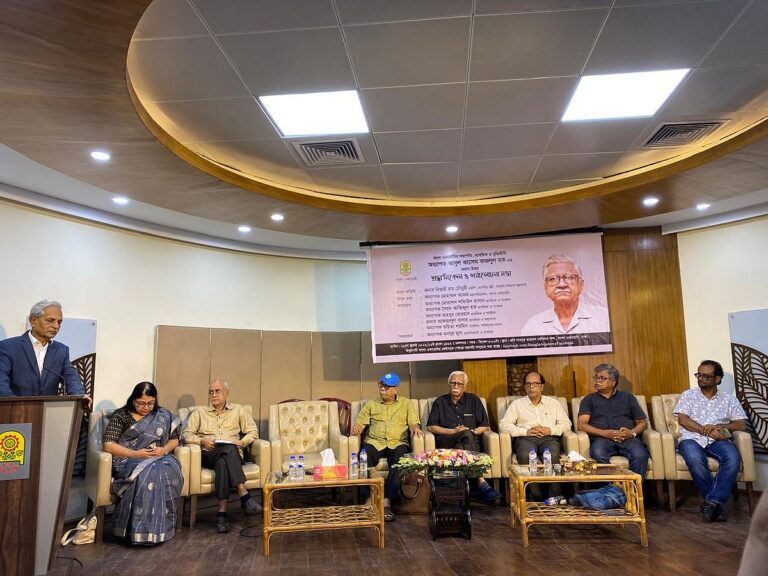
These statistics were highlighted during a public awareness assembly held Tuesday at the Institution of Engineers, Bangladesh (IEB) center in Chattogram. The event, organized to mark World Hepatitis Day and the fifth anniversary of the Liver Care Society, drew more than 500 attendees, including patients, their families, medical professionals, and local stakeholders.
বিজ্ঞাপন
Health experts speaking at the assembly noted that roughly 290 million people worldwide are currently living with hepatitis B or C. Because these viruses often progress without visible symptoms, they frequently remain undetected until they advance into life-threatening conditions such as liver cirrhosis or cancer. According to clinical data, hepatitis B and C are responsible for two out of every three liver cancer deaths globally.
The event featured contributions from prominent medical and government officials, including Chattogram District Administrator Mohammad Zahidul Islam Mia, who emphasized the necessity of a collaborative approach between state initiatives and civil society to combat the disease. He lauded the Liver Care Society’s ongoing efforts to bridge the gap in public health awareness.
বিজ্ঞাপন
Professor Abdullah Al Mahmud, head of the hepatology department at Chattogram Medical College Hospital and president of the Liver Care Society, presided over the gathering. He stressed that while hepatitis can be silent, it is not inevitable. Through timely vaccinations, consistent screening, and informed medical intervention, the mortality rate associated with these viral infections can be significantly reduced.
The program concluded with an overview of the Liver Care Society’s five-year operational history. To reinforce the importance of early detection, organizers provided free hepatitis B screenings for participants and concluded the event with a public procession to promote community awareness.
0%
0%
0%
0%