



Elephant Poaching Crisis Escalates in Cox’s Bazar as Local Settlements Drive Fatal Conflict
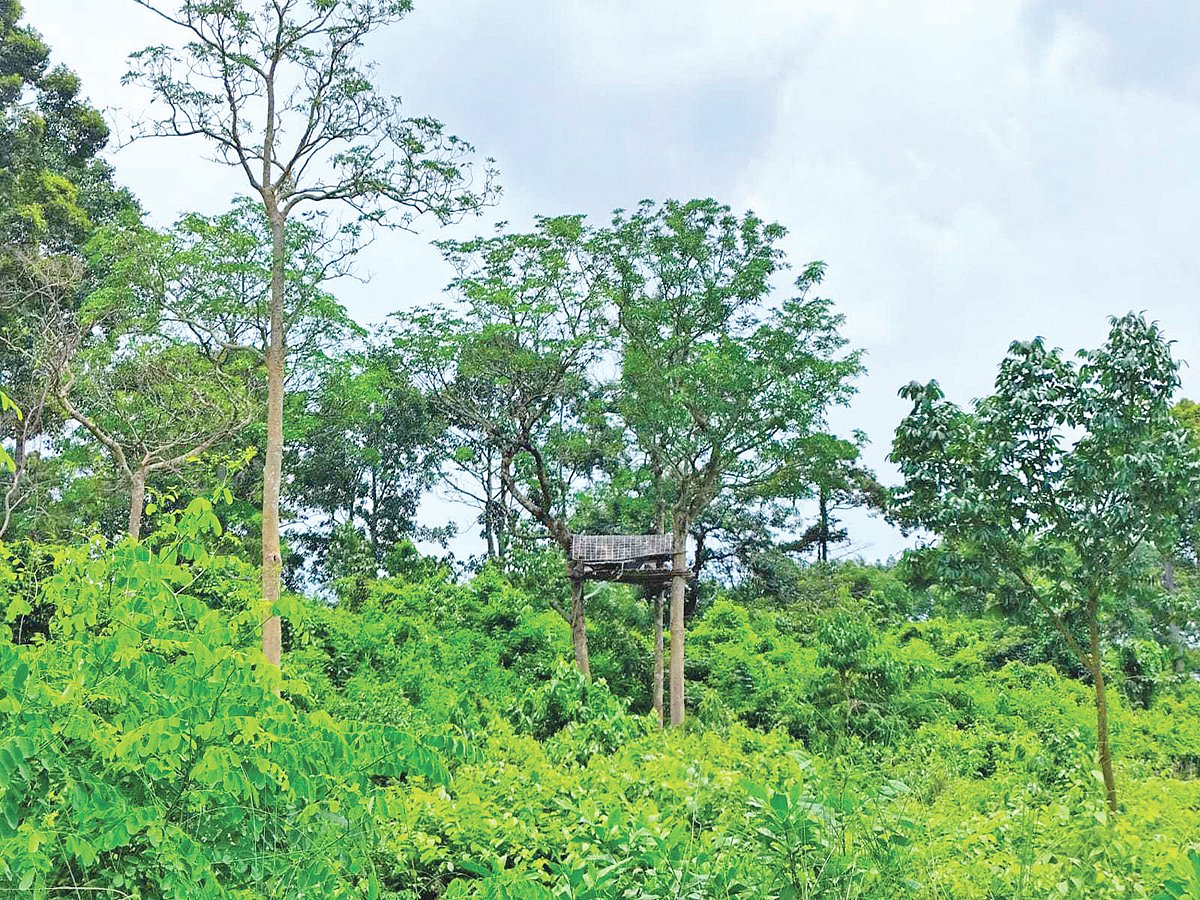
Photo Collected
Elephants in Bangladesh’s Cox’s Bazar district are facing a mounting existential crisis as human-wildlife conflict escalates into lethal violence. While official government figures report nine elephant deaths over the past decade, media investigations suggest the actual toll is double that, with local veterinarians and experts warning that the majority of recent casualties were the result of deliberate shootings.
The conflict is centered on the Khutakhali-Medhakacchapia corridor, a critical migratory route for the region’s critically endangered elephant population. According to the International Union for Conservation of Nature (IUCN), the population of wild elephants in Bangladesh—estimated at 268 in 2016—has been forced into a shrinking habitat due to encroachment. During harvest seasons, as elephants venture into cultivated areas to forage, they are increasingly met with gunfire from armed patrols stationed in forest-based watchtowers.
Local residents and forest dwellers, many of whom are registered as “villagers” under a colonial-era land policy, frequently construct raised platforms known as *machangs* to guard their crops. Investigations reveal these structures often serve as firing positions for locally manufactured single-shot firearms. Forest department records and anecdotal reports from the region indicate that these illegal weapons, often sourced from clandestine manufacturing hubs in the Maheshkhali area, are frequently used to maim or kill elephants that approach human settlements.
A 2020 investigation by the Forest Department’s chief conservator highlighted a profound lack of sincerity and proactive management by field officials in protecting the species. The report recommended urgent measures, including the restoration of elephant corridors, the removal of electric traps, the establishment of professional response teams, and the creation of dedicated food and water sources within the forest to keep herds away from farmland. However, implementation remains stalled.
Veterinary surgeons who perform post-mortems on deceased elephants report that approximately 70 percent of the animals they examine show clear evidence of gunshot wounds. In one recent case, a bullet recovered from an elephant in the Eidgaon range was traced back to a locally produced shotgun. Despite these findings, the systemic nature of the threat is difficult to dismantle. The “villager” system, which allows families to reside on forest land in exchange for conservation cooperation, has seen its population swell over decades, leading to unauthorized land clearing and increased pressure on protected zones.
Experts argue that stopping the killings requires a multi-agency crackdown on illegal arms and an end to the political patronage that often shields those responsible for environmental crimes. Wildlife specialist Reza Khan emphasized that as long as illicit weapons remain in the hands of individuals guarding these forest outposts, the elephants remain in the crosshairs. With nearly 28,000 acres of forest land in Cox’s Bazar already encroached upon, the lack of political will to prioritize wildlife over agricultural expansion threatens to push the local elephant population toward total extinction.
0%
0%
0%
0%