
Dhaka University female students demand 24-hour hall access and removal of curfew regulations
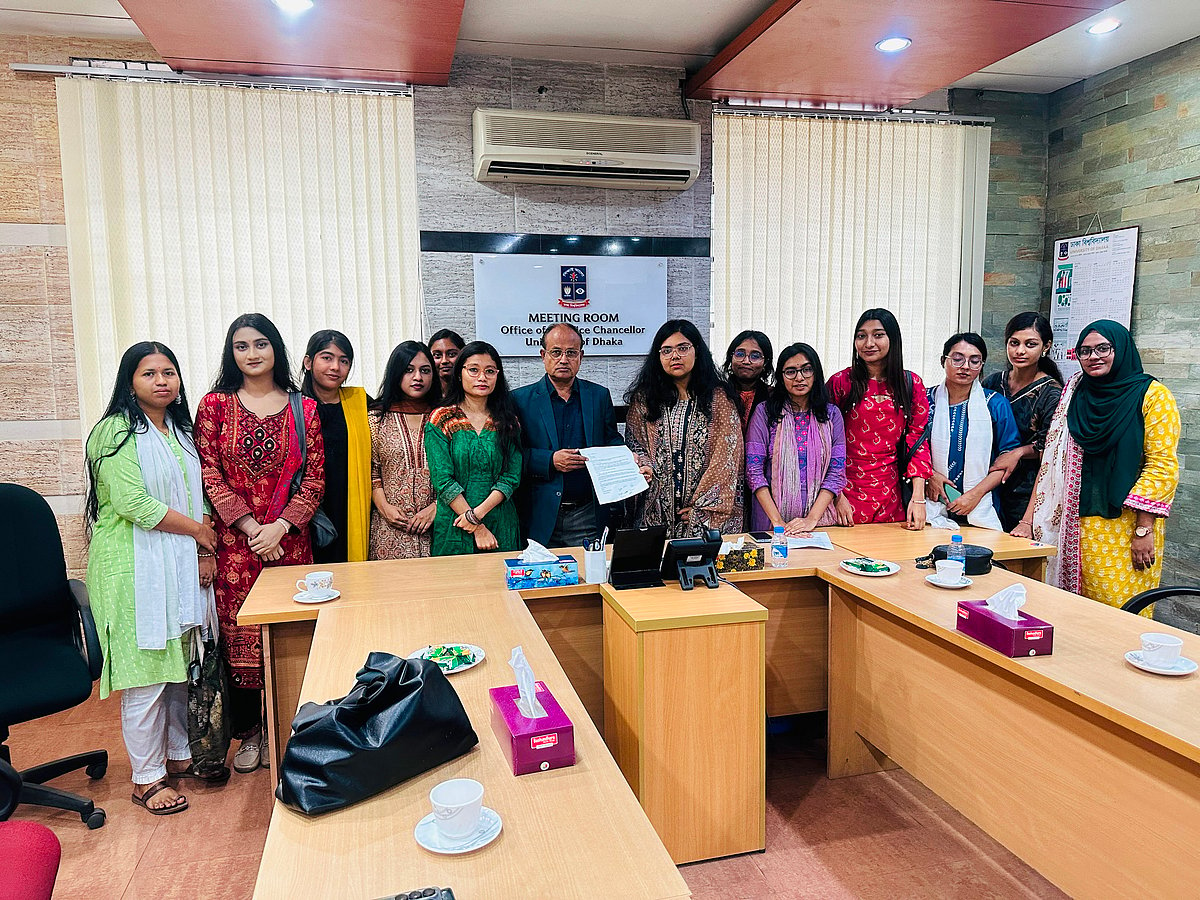
Photo Collected
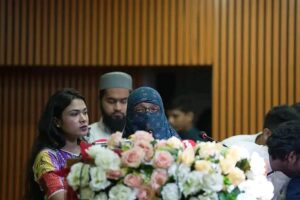
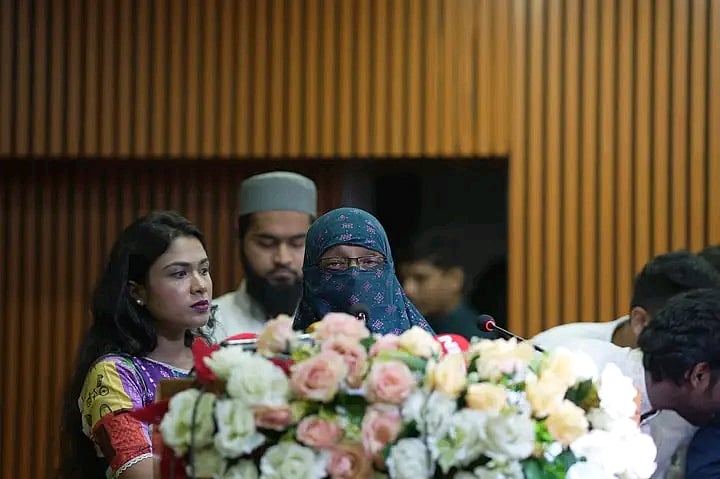
A platform representing Dhaka University students, known as “Boishommohin Chhatri Hall” (Discrimination-Free Female Halls), submitted a formal memorandum to Vice-Chancellor Professor A.B.M. Obadul Islam on Monday, demanding an end to restrictive curfews and discriminatory practices within the university’s female residential halls.
The students are calling for the immediate abolition of existing evening curfews, advocating instead for 24-hour access to all female residence halls. Their demands also include permitting students to enter any female hall and stay overnight upon request, provided they present a valid university identity card. Additionally, the platform requested that female family members of students be granted permission to access residential rooms.
বিজ্ঞাপন
In the memorandum, the student platform argued that time-based restrictions infringe upon the security, dignity, and independence of female students. They emphasized that academic, research, medical, organizational, and personal needs often require students to move in and out of halls outside of restricted hours. Consequently, they urged the administration to replace existing policies with a more inclusive and systematic 24-hour entry and exit policy.
The initiative follows a strategic meeting held Sunday night, which brought together approximately 25 participants, including representatives from various hall unions, the Dhaka University Central Students’ Union (DUCSU), and active political organizations. Sanjana Chowdhury Ratri, Vice President of the Poet Sufia Kamal Hall Union, told the press that students have long endured regulations across the university’s five female halls that they characterize as discriminatory and harassing.
বিজ্ঞাপন
Following the submission of the memorandum, Vice-Chancellor Obadul Islam assured the student delegation that he would address these concerns promptly. He committed to convening a meeting involving the provosts of the five female halls and relevant administrative officials, inviting student representatives to participate in the discussions to evaluate potential policy reforms.
0%
0%
0%
0%