


CPD Calls for Integrated Social Registry to Enhance Bangladesh Family Card Program
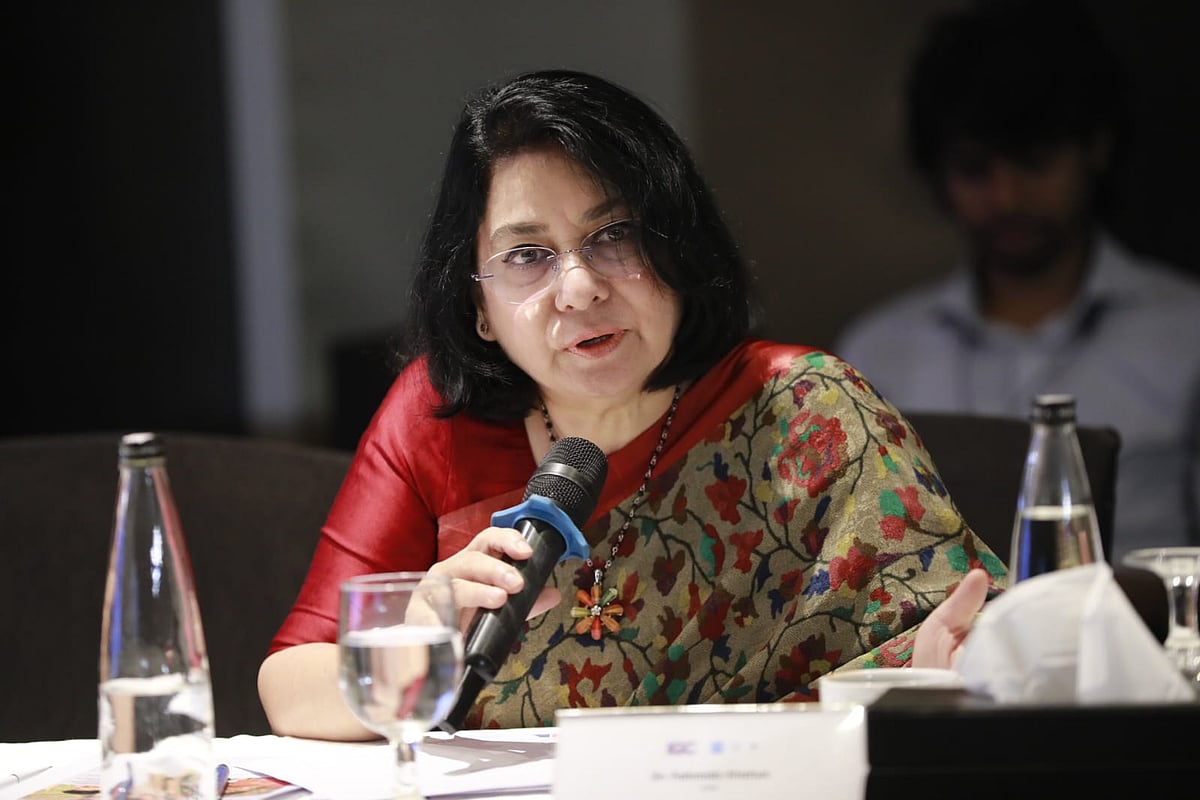
Photo Collected
The success of the government’s family card program hinges on the establishment of a robust, technology-driven framework and a transparent distribution system, according to Fahmida Khatun, Executive Director of the Center for Policy Dialogue (CPD). Speaking at a roundtable discussion in Dhaka on Thursday, Khatun emphasized that for the initiative to effectively bolster Bangladesh’s social safety net, it must move beyond fragmented efforts toward a unified national social registry.
The event, co-organized by the International Growth Centre (IGC) and BRAC University’s BRAC Institute of Governance and Development (BIGD), featured the Prime Minister’s advisor for finance and planning, Rashed Al Mahmud Titumir, as the chief guest. Experts at the forum highlighted that while Bangladesh has long operated a multitude of social protection programs across various ministries, the current lack of coordination leads to resource wastage and suboptimal outcomes.
Khatun argued that the government must consolidate these isolated initiatives under a singular, integrated structure to improve efficiency and impact. She pointed out that past efforts, often limited by nominal monthly allowances such as 500 or 600 taka, failed to create meaningful change in the lives of the vulnerable. While she noted that a 2,500-taka monthly transfer is a significant improvement, she urged policymakers to establish clear, long-term guidelines regarding whether this amount will be adjusted to keep pace with inflation.
Addressing systemic vulnerabilities, Khatun called for the removal of political influence and localized favoritism that have historically hampered the fairness of benefit distribution. By transitioning to an automated, digital system, the government can mitigate the risks of both inclusion and exclusion errors, ensuring that aid reaches those who truly need it.
Ultimately, the economist stressed that the program’s expansion must be balanced against the realities of the country’s fiscal capacity and tax revenue collection. She advised that the government should synthesize international best practices with the lessons learned from the successes and failures of its own historical social programs to ensure the family card initiative remains both sustainable and impactful.
0%
0%
0%
0%