


Bangladesh Maintains Current Fuel Prices for August
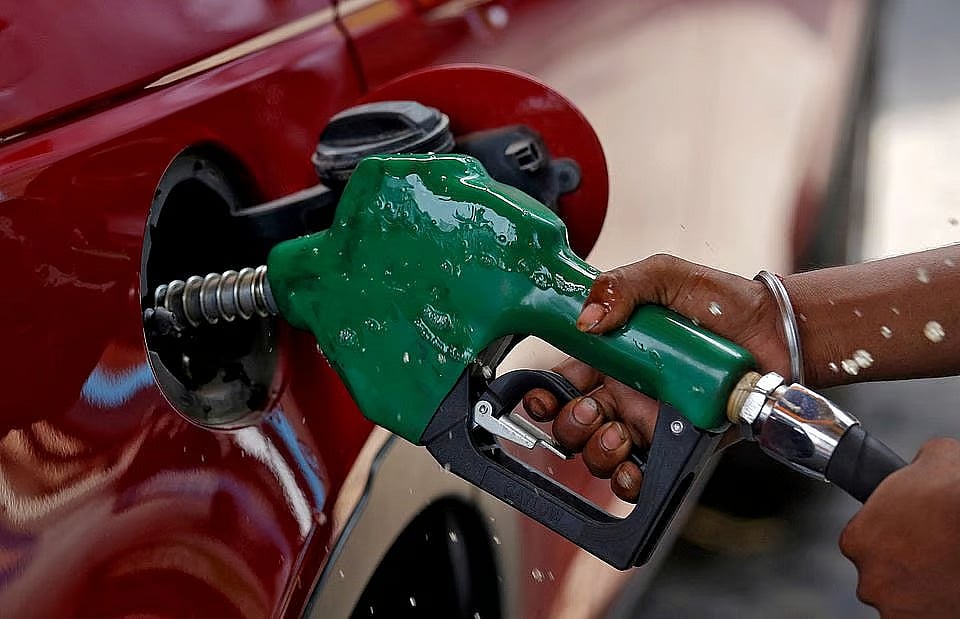
Photo Collected
The Bangladeshi government has opted to keep domestic fuel prices unchanged for the month of August, maintaining the rates established in June. According to a notification issued by the Ministry of Power, Energy and Mineral Resources on Thursday, the current retail prices will remain in effect, extending the stability seen throughout July.
Under the current pricing structure, diesel and kerosene are priced at 115 taka and 135 taka per liter, respectively. Meanwhile, petrol is retailing at 140 taka per liter, and octane remains at 145 taka per liter. These figures reflect the latest adjustments made by the government, which took effect in June to align domestic rates with fluctuating international market trends.
The pricing strategy follows the government’s shift in March 2024 toward an automated fuel pricing system. This mechanism allows officials to adjust local costs monthly based on the global import prices of the preceding month, replacing the previous ad-hoc adjustment model. While diesel prices were last adjusted upward in April, the subsequent months saw the government maintain a steady pricing floor for the country’s essential fuels.
Global market volatility, exacerbated by the ongoing conflicts in the Middle East that intensified in late February, had previously sparked supply concerns and long queues at filling stations across Bangladesh. These pressures led to a significant spike in prices, including a historic hike in August 2022 following the outbreak of the Russia-Ukraine war, when diesel prices surged by 42.5 percent.
While the Power, Energy and Mineral Resources Division retains authority over the pricing of diesel, kerosene, petrol, and octane through executive orders, the rates for jet fuel and furnace oil—used primarily in power generation—continue to be regulated by the Bangladesh Energy Regulatory Commission. Officials indicate that the current hold on price changes reflects the government’s ongoing effort to balance domestic fiscal stability with the unpredictable nature of global energy supplies.
0%
0%
0%
0%