Bangladesh gears up for trial power generation at Rooppur nuclear plant as final safety tests commence
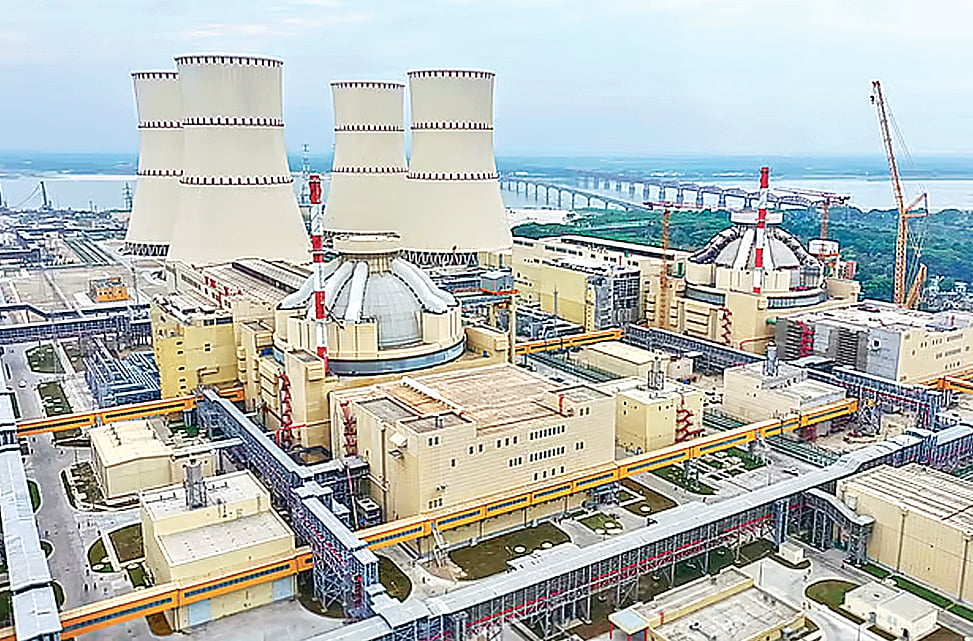
Photo Collected
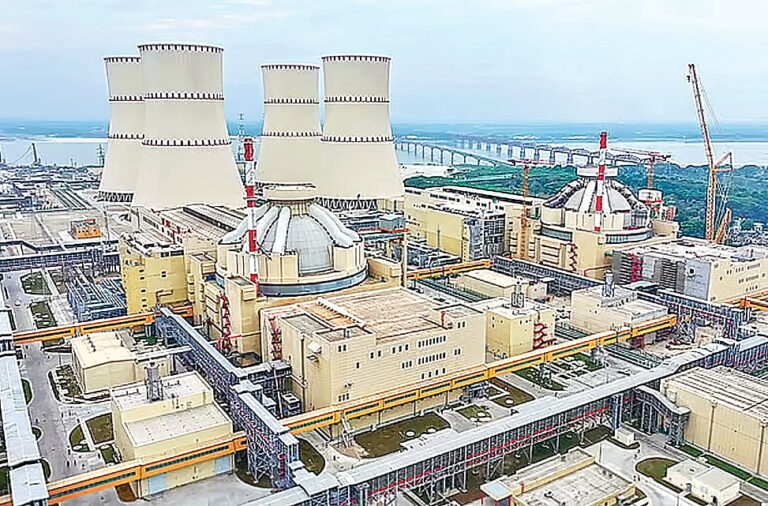
Preparations at the Rooppur Nuclear Power Plant are entering a critical final phase, with officials aiming to supply roughly 300 megawatts of electricity to the national grid on a trial basis next month. Before the facility can commence operation, however, the Bangladesh Atomic Energy Regulatory Authority must conduct a rigorous review of test results and grant formal approval.
According to the Ministry of Science and Technology, the loading of nuclear fuel into the first unit’s reactor pressure vessel was completed on May 12. Once current testing is finalized, the reactor will initiate a controlled fission reaction. The heat generated will produce steam to drive turbines, marking a milestone that will make Bangladesh the 33rd nation in the world to produce nuclear energy.
While project authorities previously targeted commercial production by December, officials involved in the project acknowledge that this timeline may be ambitious. To date, 2,046 tests have been completed in the first stage, followed by 90 in the second. Approximately 18 complex tests remain in the final phase. Trial power delivery will span a period of seven to eight months, with full-capacity production from the first unit expected to commence next year only after all safety protocols are satisfied.
Mohammad Jahedul Haque, managing director of the Nuclear Power Plant Company Bangladesh Ltd (NPCBL), emphasized that every stage of a nuclear facility is highly sensitive and safety-critical. Results are analyzed after each test, and adjustments are made where necessary before moving forward. He noted that definitive production deadlines are difficult to set because the regulatory authority must review and approve every data point before the process can advance.
The Rooppur project, the largest single infrastructure undertaking in Bangladesh’s history, involves the construction of two 1,200-megawatt units by Russia’s contractor, Atomstroyexport. Designed to provide consistent, 24-hour baseload power, each unit will require refueling every 18 months. Maintenance cycles, including refueling and waste removal, are expected to keep a unit offline for a maximum of two months.
Under a 2017 agreement, Russia will manage the disposal of spent nuclear fuel, which contains radioactive materials. The waste will be transported to Russia, processed, and buried 400 meters underground. While the logistics of this commercial process are still being finalized, officials noted that spent fuel must first undergo a cooling period. The site has the capacity to safely store this material for up to 10 years, allowing the government time to optimize shipping and management costs.
The fuel supply is managed by the Russian firm TVEL. While the contract includes provisions for ongoing supply, Bangladesh retains the right to terminate the agreement at its discretion. Pricing is linked to international market indices published in the United States, with a pre-negotiated ceiling to protect the country against potential price volatility.
The project, which originated from an intergovernmental agreement between Bangladesh and Russia in 2011, has faced significant delays due to the COVID-19 pandemic, the war in Ukraine, and currency fluctuations. Although the completion deadline has been extended to June 2028, the project’s total cost has risen to 138.68 billion taka, largely due to the depreciation of the taka against the dollar. Experts note that while the delays have cost the country an estimated $1 billion in annual fuel import savings, the priority remains strict adherence to safety standards.
Power Grid PLC has confirmed that the national grid is technically prepared to integrate the plant’s output. While some concerns persist regarding “spinning reserves”—the backup capacity needed to prevent grid instability in the event of a sudden plant shutdown—the Bangladesh Power Development Board has stated that initial low-level production will not pose a risk. As the project approaches its first trial output, the government is considering an official inauguration ceremony that may involve the leaders of both Bangladesh and Russia to underscore the national significance of the facility.
0%
0%
0%
0%