
Bangladesh Dengue Fatalities Surge in July as Health Experts Warn of Extended Outbreak

Photo Collected
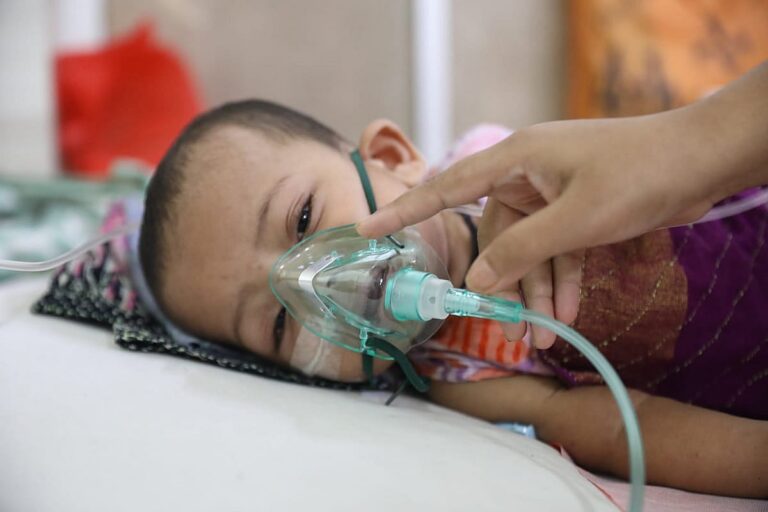
Bangladesh is grappling with a sharp surge in dengue fever, as fatalities and infection rates in July alone have significantly eclipsed the combined figures from the first half of the year. Health officials confirmed three additional deaths in the 24 hours leading up to Thursday morning, marking the sixth consecutive day of fatalities linked to the Aedes mosquito-borne virus.
Data indicates that the death toll for July reached 35, nearly doubling the 18 deaths recorded between January and June. Total infections have followed a similar trajectory, with 9,053 new cases reported this month compared to 6,104 throughout the entire first half of the year. As of Thursday, the cumulative figures for the year stood at 53 deaths and 15,153 confirmed infections, with 463 new patients admitted to hospitals in the final 24-hour reporting period.
Public health experts and entomologists warn that the outbreak is likely to intensify through October. Professor Kabirul Bashar of Jahangirnagar University noted that typical seasonal patterns usually see the virus peak until September, but erratic rainfall and rising temperatures this year could extend the crisis further. According to experts, the two-month lag between heavy rainfall and peak mosquito breeding cycles suggests that the high infection rate is likely to persist as the virus spreads deeper into regions outside of the capital.
The situation is further complicated by the emergence of the DEN-3 serotype. Government research institutes have identified this strain as the dominant variant circulating this year. Experts emphasize that the presence of multiple serotypes increases the risk of severe complications for individuals who have previously contracted a different version of the virus.
Public health expert Dr. Be-Nazir Ahmed attributed the current escalation to a lack of preemptive vector control measures, noting that government initiatives to curb mosquito breeding have been insufficient both in Dhaka and provincial districts. With the Barisal division currently reporting high infection rates alongside the capital, experts are calling for urgent, coordinated intervention to manage the surge. They warn that without immediate, large-scale efforts to eliminate mosquito habitats, the country faces a precarious situation in the coming months.
0%
0%
0%
0%