
Allegations of extortion and influence peddling shadow MP son in Narayanganj
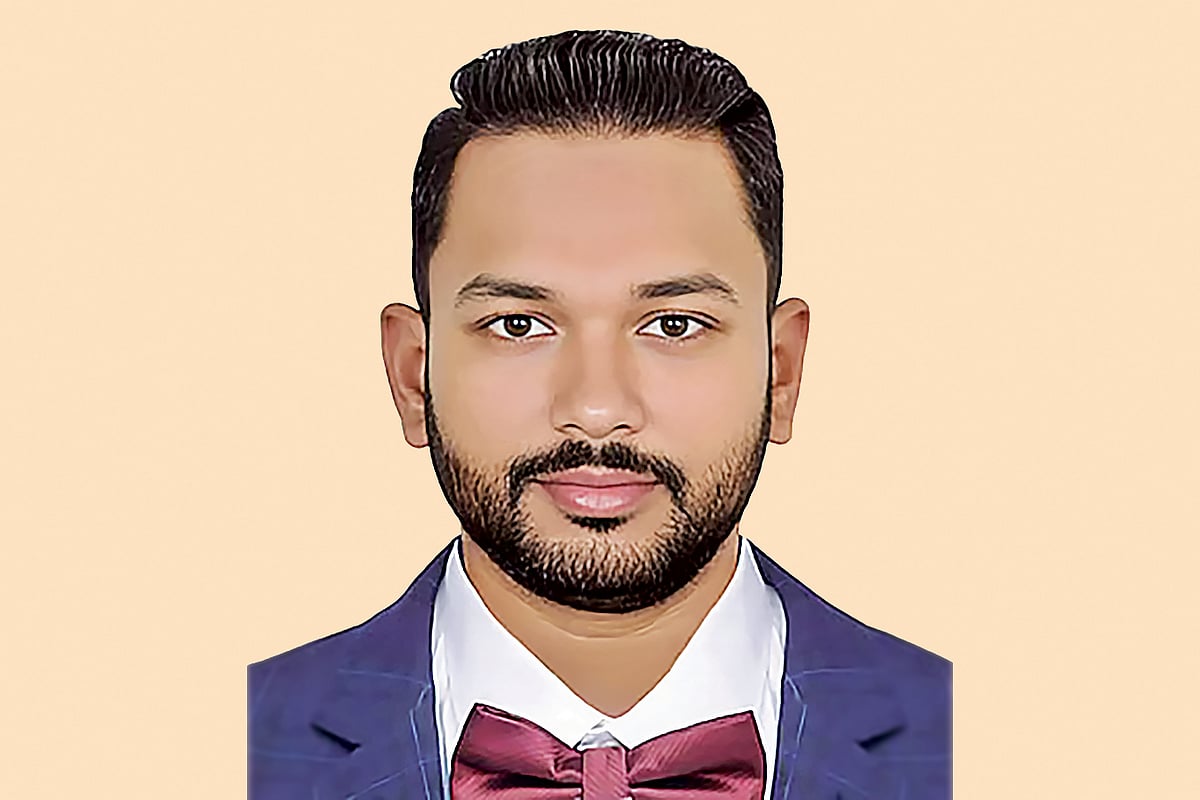
Photo Collected
Khairul Islam Sajib, the son of Narayanganj-3 (Sonargaon-Siddirganj) Member of Parliament Azharul Islam Mannan, was detained by the Detective Branch of police last Sunday amid mounting allegations of extortion and abuse of power. Although he was released after 12 hours upon signing a bond, the brief detention has shed light on what local residents, businessmen, and party officials describe as a “shadow MP” regime that has paralyzed local administration and industry.
Sajib, who served as joint convener of the Narayanganj District Juba Dal, was expelled from the organization immediately following his detention. While police have remained tight-lipped regarding the specific charges—citing a lack of formal, written complaints—reports indicate his arrest followed widespread grievances from factory owners in Sonargaon and Siddirganj who have been coerced into paying protection money.
বিজ্ঞাপন
According to interviews with 25 local stakeholders, including BNP leaders and business owners, Sajib’s influence has extended into virtually every aspect of the local economy. Allegations against his network include the systematic control of scrap-trade (jhut) businesses, manipulation of government tenders, illicit toll collection on waterways and transport routes, and illegal sand extraction. Multiple industrial magnates corroborated these claims, noting that they frequently face threats, physical intimidation, and the obstruction of cargo if they do not comply with demands for payments.
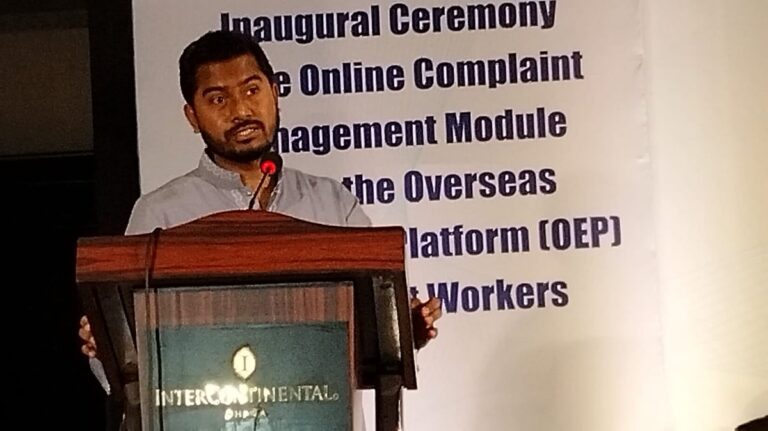
Sajib’s reach even extends to the local government administration. Despite holding no official elected position, he has been a recurring presence at official monthly law-and-order and development coordination meetings held at the Sonargaon Upazila Executive Officer’s (UNO) office. During these sessions, he has frequently addressed officials and dictated administrative instructions, which local authorities reportedly treated as directives from his father, the sitting MP.
বিজ্ঞাপন
Tensions within the local branch of the BNP have also reached a boiling point. Senior party leaders express frustration over the family’s dominance, alleging that dissenters are frequently targeted with fabricated criminal cases and physical assaults. The friction was publicly exposed in June when Sajib’s associates forcibly replaced the signage of the district BNP office to reflect it as the personal office of MP Azharul Islam, a move that was only reversed after central party intervention.
Contractors in the region report that the tendering process for government projects has been effectively hijacked, with Sajib allegedly pre-selecting winners for major contracts. In a recent instance involving the Bangladesh Folk Art and Crafts Foundation, despite the sale of over 50 tender documents, no bids were submitted after contractors were allegedly pressured to stand down by Sajib’s inner circle.
Local observers and cultural activists have voiced deep concern over the impact of this climate on the region’s socio-political stability. While the district administration claims that the absence of formal, written lawsuits has prevented further legal action, the local populace maintains that the persistent atmosphere of fear and retribution—supported by a network of loyalists—has effectively stifled dissent and left victims with little recourse. Neither Sajib nor his father responded to repeated requests for comment regarding these allegations.
0%
0%
0%
0%