Measles outbreak hits Noakhali Upazila hospital as families struggle with medical costs
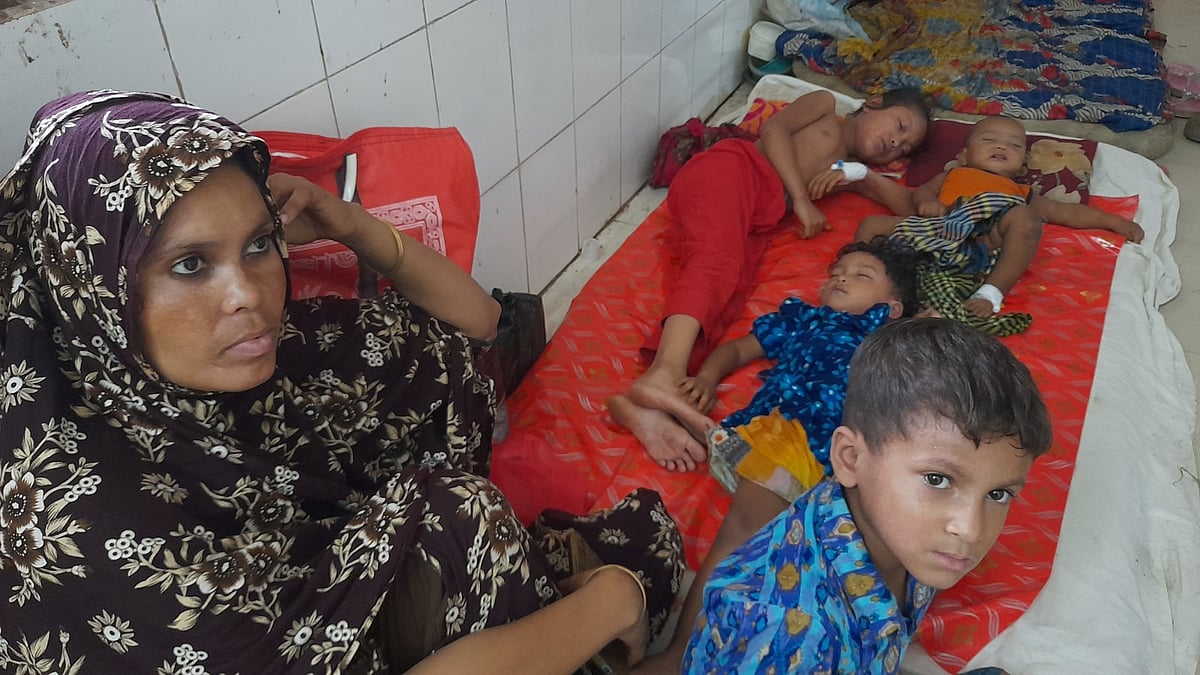
Photo Collected
SUBARNACHAR, NOAKHALI — A surge in measles cases at the Subarnachar Upazila Health Complex has left low-income families in severe financial distress, with many parents forced to borrow money at high interest rates to pay for medical supplies.
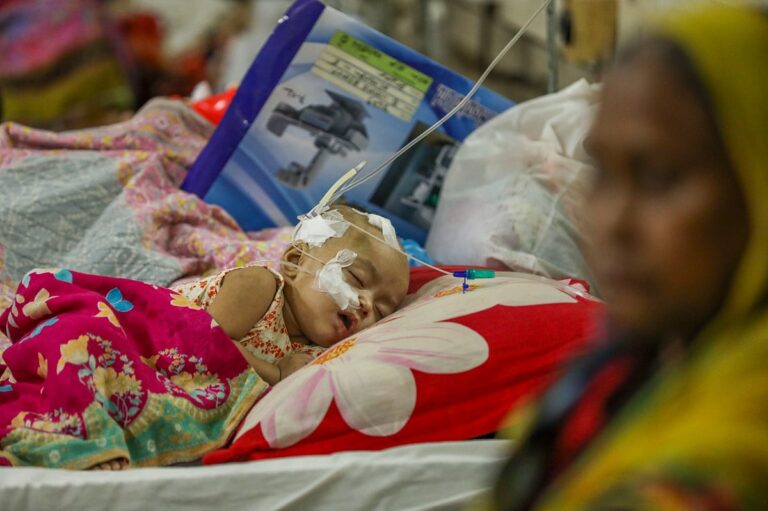
The health facility, which serves as a primary hub for rural patients, is grappling with an influx of pediatric patients. As infection rates climb within households, families are struggling to cover the costs of treatment and medication, which are frequently unavailable at the state-run hospital.
Kamrun Nahar, a resident of Char Bagga village, is among those overwhelmed by the crisis. She has borrowed 8,000 taka at a monthly interest rate of 10 percent to treat her four children, all of whom are suffering from measles. Her husband, a day laborer at a local brick kiln, is currently out of work due to seasonal closures and his own health issues, leaving the family with no stable income. Nahar reported that the hospital provides few medications, forcing her to purchase the majority of prescriptions from external pharmacies.
Hospital officials acknowledge that the facility is struggling to manage the patient volume. According to statistics officer Md. Mohiuddin, 1,449 patients have been admitted with measles symptoms so far this year. The facility, which is designated as a 50-bed hospital, currently hosts between 110 and 120 patients daily. Staff are frequently forced to distribute limited supplies meant for 50 people among the much larger patient base.
Dr. Md. Sohel Sarwar, an assistant professor of pediatrics at Noakhali Medical College, noted that the out-of-pocket cost for treating a measles case often ranges from 7,000 to 8,000 taka for medication alone, with total expenses reaching up to 15,000 taka when including associated care costs. He emphasized that such figures are prohibitive for the residents of these remote coastal areas.
Observers and parents have criticized the hospital’s sanitary conditions and management. Patients, many of whom are suffering from secondary complications such as diarrhea, are often confined to crowded, unsanitary floor spaces in the wards. Parents argue that these conditions increase the risk of cross-infection rather than aiding recovery.
Dr. Abdulla Hil Rakib, a physician at the complex, stated that the high transmission rate is largely due to a lack of health awareness in rural communities, leading to multiple infections within a single household. He noted that approximately 70 to 80 percent of current admissions are related to measles. Despite the resource constraints, Dr. Rakib emphasized that the medical staff has maintained a high success rate, with no reported deaths to date.
Upazila Health and Family Planning Officer Md. Mizanur Rahman defended the efforts of the staff, noting that while medicine allocations remain static, doctors and nurses are working beyond their capacity to ensure patients recover and return home. He admitted that the discrepancy between the limited medical budget and the actual patient load is the primary cause of complaints regarding medication availability.
0%
0%
0%
0%
More News from Health