

Dhaka North City Corporation to deploy high-tech mosquito traps in hospitals to combat dengue spread
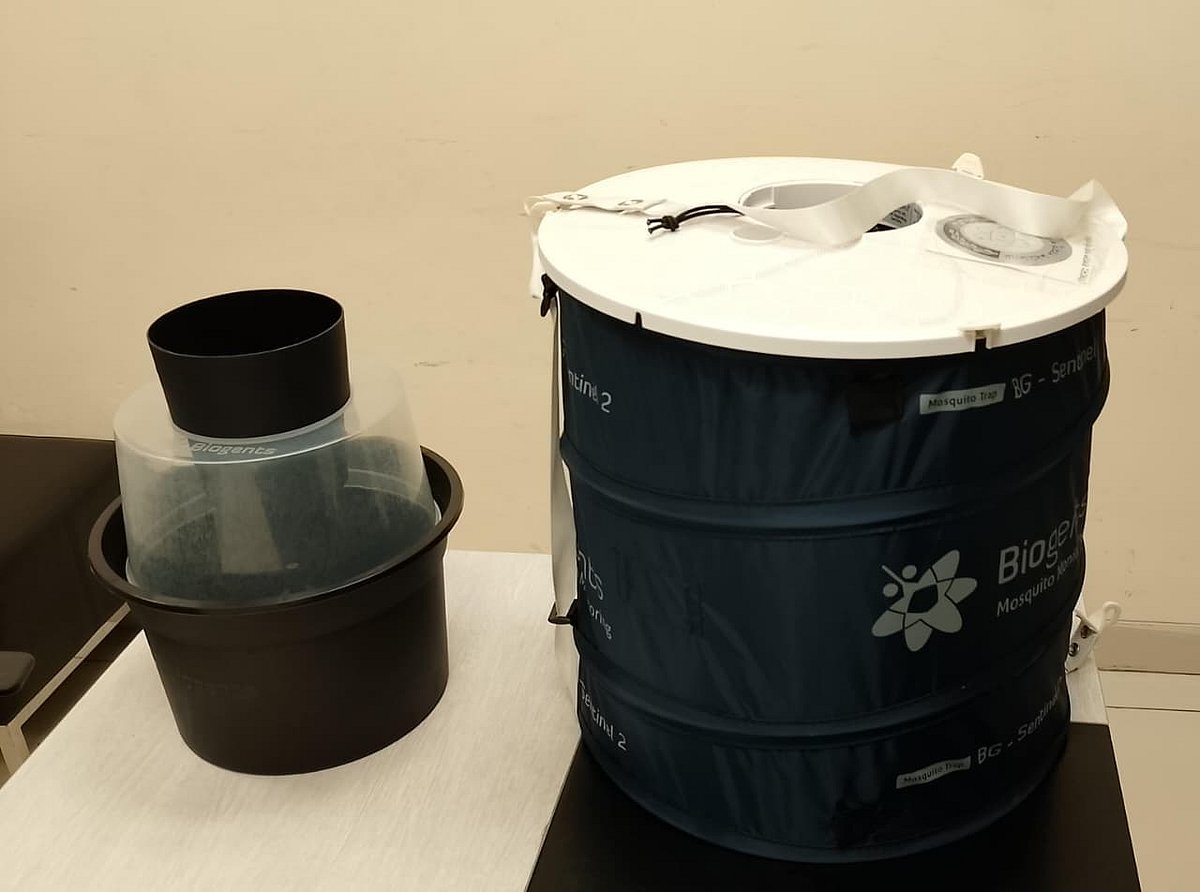
Photo Collected
The Dhaka North City Corporation (DNCC) is set to deploy a specialized mosquito-trapping system, known as the BG Sentinel Trap, across ten hospitals to mitigate the spread of dengue fever. Starting next week, the traps will be installed in high-risk zones, including public and private hospitals, to monitor and capture Aedes mosquitoes without the use of chemical insecticides.
The traps were procured through technical collaboration with the Bangladesh Atomic Energy Commission, meaning the city corporation will incur no direct costs for acquisition or installation. The initiative aims to reduce the risk of secondary dengue transmission by capturing mosquitoes within hospital premises that might otherwise carry the virus from infected patients to others.
The BG Sentinel Trap utilizes synthetic scents, such as the BG-Lure, which mimics the natural odor of human skin, including lactic acid, ammonia, and various fatty acids. When combined with carbon dioxide from dry ice or cylinders, the trap simulates human presence to attract mosquitoes. An internal electric suction fan draws the insects into a mesh bag, where a mechanical shutter system prevents them from escaping, even if the power source is cut.
Designated facilities to receive these traps include the Bangladesh Shishu Hospital and Institute, Shaheed Suhrawardy Medical College Hospital, Kurmitola General Hospital, DNCC Dedicated COVID-19 Hospital, the Combined Military Hospital, Kuwait-Bangladesh Friendship Hospital, Uttara Adhunik Medical College Hospital, Shaheed Monsur Ali Medical College Hospital, Dr. M.R. Khan Shishu Hospital, and Alok Hospital. Additional units will be placed at the DNCC Nagar Bhaban.
Despite the move, experts have questioned the trap’s primary purpose. Professor Kabirul Bashar, an entomologist at Jahangirnagar University, stated that the BG Sentinel Trap is designed primarily for research—to monitor mosquito density, presence, and species characteristics—rather than large-scale population control. While the traps will capture mosquitoes, Bashar noted that their impact on total population suppression would be limited.
Bashar suggested that the city corporation should focus on analyzing the captured specimens to identify dengue serotypes, which would provide critical epidemiological data. However, he expressed doubts regarding the corporation’s capacity to conduct such sophisticated analysis. He further urged the authorities to consider cost-effective, locally developed alternatives.
Noting that imported traps and their scent lures are expensive—with each unit costing approximately 60,000 to 70,000 taka inclusive of duties—Bashar recommended testing domestic innovations like the “Den-X Trap” developed at Jahangirnagar University or devices by Think Labs. According to Bashar, these local alternatives are not only more affordable but could prove more effective for both monitoring and controlling mosquito populations in the long term.
Brigadier General Imrul Kayes Chowdhury, Chief Health Officer of the DNCC, emphasized that the current deployment is part of a broader research effort with the Atomic Energy Commission aimed at exploring biological control methods, including mosquito sterilization, to combat the ongoing dengue threat in the capital.
0%
0%
0%
0%
More News from Health