
Measles-like symptoms claim six more lives in Bangladesh as total death toll reaches 973
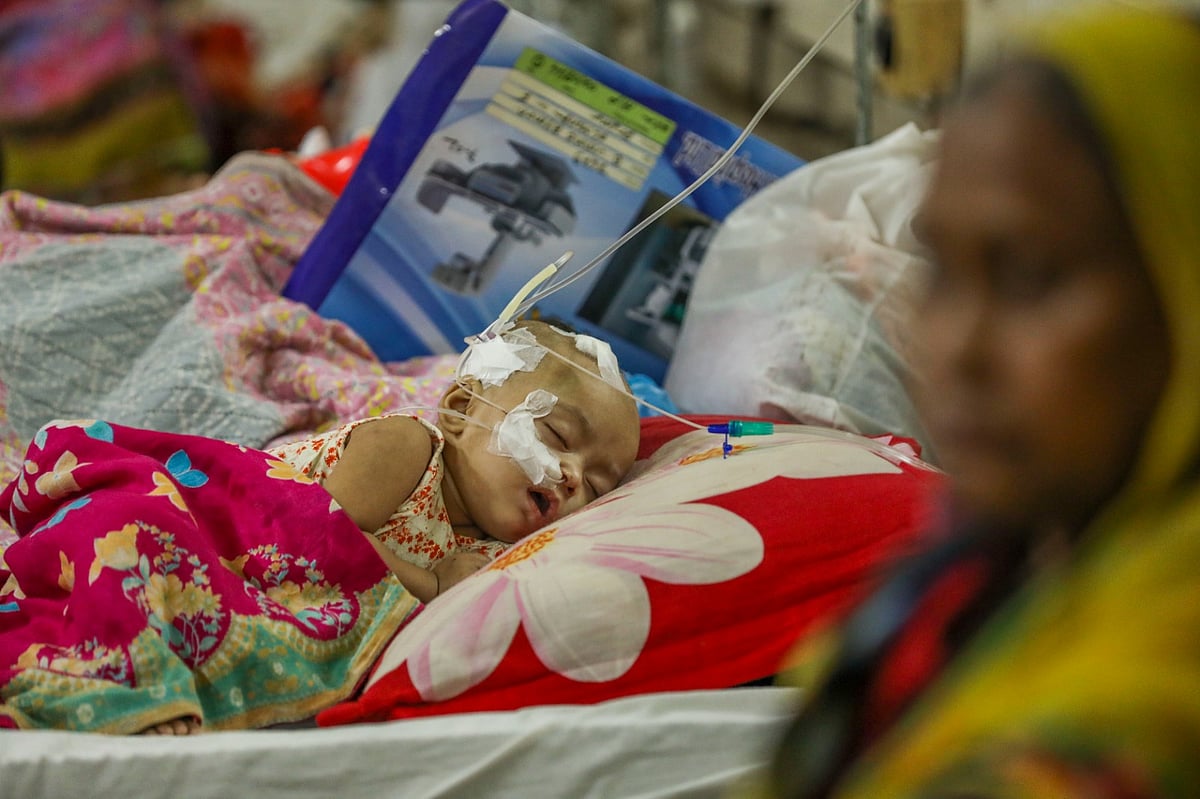
Photo Collected
Six people died from measles-like symptoms in Bangladesh over the past 24 hours, with five of the deaths occurring in Dhaka, according to the latest report from the Directorate General of Health Services (DGHS). The data, released on Monday, indicates that the deaths occurred between 8:00 a.m. Sunday and 8:00 a.m. Monday.
These fatalities bring the total death toll since March 15 to 973, which includes 874 deaths attributed to measles-like symptoms and 99 confirmed cases of the disease. While no new deaths from laboratory-confirmed measles were recorded in the last 24 hours, health officials noted that five of the latest victims were from the Dhaka division, while one was from the Barisal division.
Public health surveillance shows that 1,162 new patients exhibited measles-like symptoms within the last 24 hours. Since March 15, the cumulative number of patients showing symptoms has reached 157,991, while 19,312 cases have been laboratory-confirmed. During this same period, 138,445 patients have been hospitalized for symptoms, with 133,404 of them having since recovered and been discharged.
Although the DGHS report does not provide a demographic breakdown of the victims, epidemiologists state that while measles can affect individuals of all ages, children remain the most vulnerable population. Health authorities have adopted a protocol of classifying all deaths occurring with measles-like symptoms during the current outbreak as measles-related fatalities.
Professor Shahnoor Sharmin, a specialist in the medicine department at Dhaka Medical College, emphasized the critical importance of isolating patients to contain the highly contagious virus. She noted that transmission can occur before the signature skin rash appears, urging the public to remain vigilant if symptoms such as fever, body aches, colds, or coughs emerge.
Medical experts continue to stress that vaccination remains the primary defense against the disease. For those who have not been previously immunized, experts recommend immediate vaccination. Furthermore, as the virus spreads through respiratory droplets, public health officials advise consistent hygiene practices, including wearing masks, frequent handwashing, and maintaining distance from infected individuals.
0%
0%
0%
0%
More News from Health