Purnima seeks challenging roles as classic film Subha returns to screen

Photo Collected
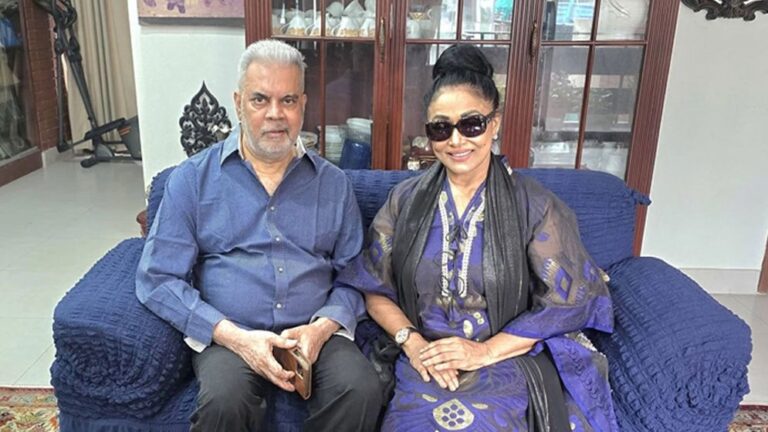
Channel i is marking the death anniversary of Nobel laureate Rabindranath Tagore today, August 6, by broadcasting the cinematic adaptation of his classic short story “Shuva.” Directed by the late visionary filmmaker Chashi Nazrul Islam and starring popular Dhallywood actress Dilara Hanif Purnima, the film returns to the screen more than two decades after its initial release.
Reflecting on the milestone, Purnima noted that 21 years have passed since the film’s debut, yet the experience feels remarkably recent. The actress highlighted “Shuva” as a cornerstone of her career, serving as one of several literary-based projects that allowed her to explore her range beyond mainstream commercial cinema. She credits the collaborative efforts of Chashi Nazrul Islam and Channel i for providing her with opportunities to reinvent herself as an artist through films like “Megher Pore Megh” and “Shasti.”
Despite her enduring legacy in the industry, Purnima admitted she is currently selective about returning to the big screen. She noted that while she receives various offers, she has yet to find a script that truly resonates with her vision. According to the actress, a project must feature a compelling narrative and a character that carries significant weight within the story. She emphasized that filmmakers must evolve in their approach, noting that legendary actresses in the subcontinent continue to thrive because directors present them in roles that reflect their current stature and maturity.
Purnima also expressed a desire to break away from her established image as a romantic lead. She voiced a strong interest in portraying complex, antagonistic characters that could challenge the audience’s perception of her. She lamented that, thus far, no director has approached her with such unconventional roles.
Looking at the broader state of the industry, Purnima addressed the creative constraints facing local filmmakers. She pointed to a persistent lack of narrative freedom, often marred by heavy censorship that prevents directors from telling bold, authentic stories. She drew a contrast with international cinema, where directors are empowered to depict realistic, often challenging, subject matter. Purnima concluded that the industry possesses an abundance of compelling true stories waiting to be told, yet until creators are granted the freedom to explore these narratives without the fear of excessive cutting, both filmmakers and actors will remain limited in their ability to reach their full potential.
0%
0%
0%
0%