Severe gas crisis in Chittagong forces residents to switch to LPG cylinders as supply hits record low
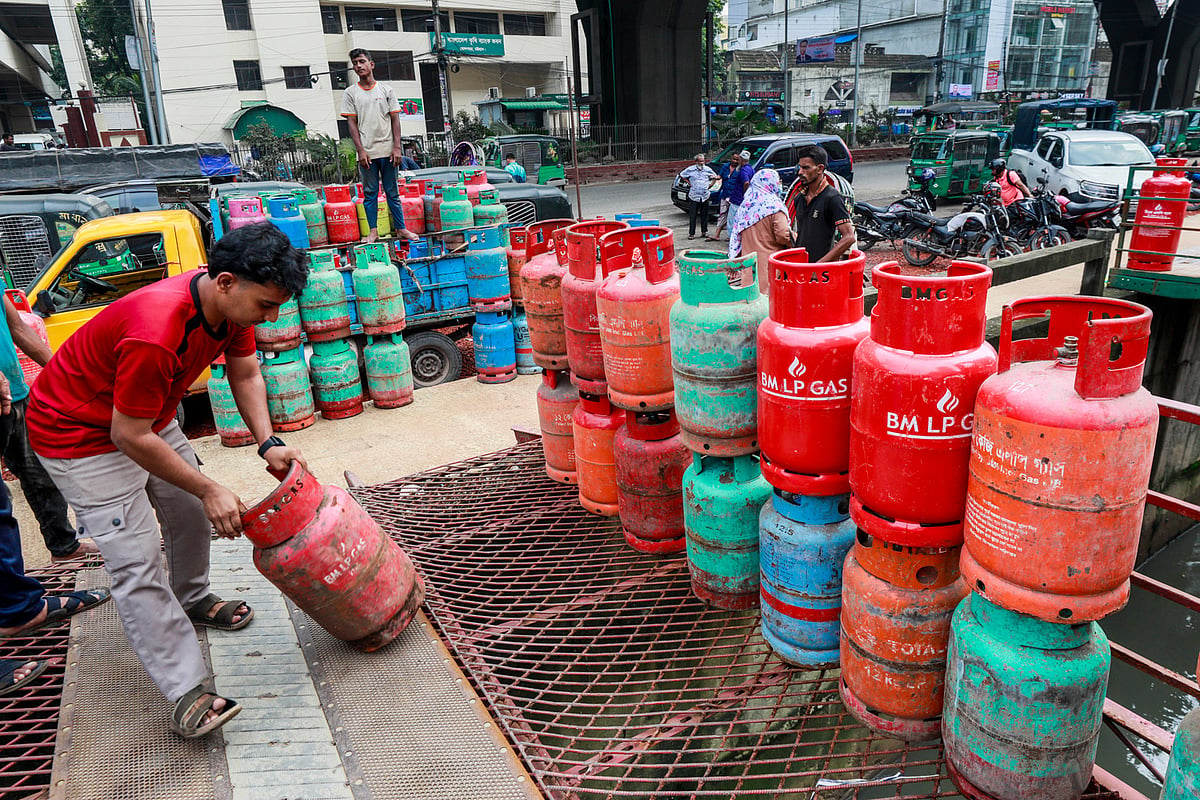
Photo Collected
CHITTAGONG – Persistent gas shortages in Chittagong have forced residents to fundamentally alter their daily routines and seek expensive alternatives as supply levels plummet to less than half of the city’s daily requirement.
Residents across the city, including those in Jamalkhan and Halishahar, report that pipeline gas pressure becomes negligible or disappears entirely after 8:00 a.m. Many households have resorted to waking up as early as 4:30 a.m. to complete cooking before the pressure drops. For service workers like Kohinoor Begum, who works as a domestic help, the instability has disrupted employment schedules, forcing her to defer work until late afternoons when gas supply occasionally stabilizes.
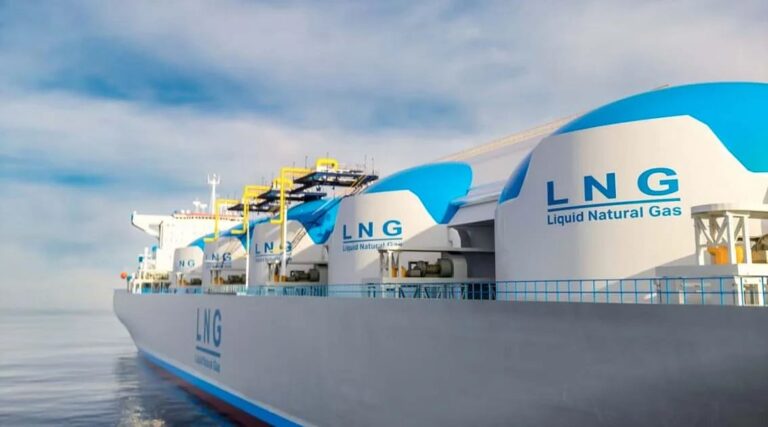
The crisis has triggered a sharp surge in demand for Liquefied Petroleum Gas (LPG) cylinders. According to the LPG Distributors Association, daily sales in the city have climbed from a standard average of 40,000 to 50,000 units to over 60,000 units in the past week. Association President Khorshedur Rahman noted that because Chittagong’s gas supply is heavily dependent on imported Liquefied Natural Gas (LNG), any systemic disruption has an immediate and severe impact on the city.
For many families, this transition comes at a steep price. Mohammad Russell, a resident of Agrabad, reported spending approximately 6,000 taka to purchase an LPG cylinder and a compatible stove after three weeks of severe pipeline gas shortages. For those unable to afford the sudden expense, the alternatives are increasingly grim, with many families forced to rely on clay stoves or purchase meals from commercial eateries.
The supply deficit is rooted in a critical shortfall of LNG reaching the national grid. Karnaphuli Gas Distribution Company Limited (KGDCL) reported that as of Friday morning, the city was receiving only 150 million cubic feet of gas daily, against a minimum requirement of 350 million cubic feet. This 43 percent supply rate represents a significant decline since late July.
The crisis began following an accident on July 21 at one of the two floating LNG terminals in Maheshkhali, operated by the U.S.-based company Excelerate Energy. Although partial operations resumed on August 6, the facility remains below full capacity. Further complicating the supply chain, adverse weather in the Bay of Bengal prevented a vessel from offloading LNG to the Summit Group terminal earlier this week.
Petrobangla sources indicate that while repairs to the Excelerate terminal are ongoing, the facility will eventually require a full 72-hour shutdown for testing, which will further restrict gas flow. Until these technical and logistical issues are resolved, industrial units, power plants, and residential customers in Chittagong remain under extreme pressure.
0%
0%
0%
0%