Severe CNG Shortages Cripple Daily Earnings for Dhaka Drivers as Long Queues Persist
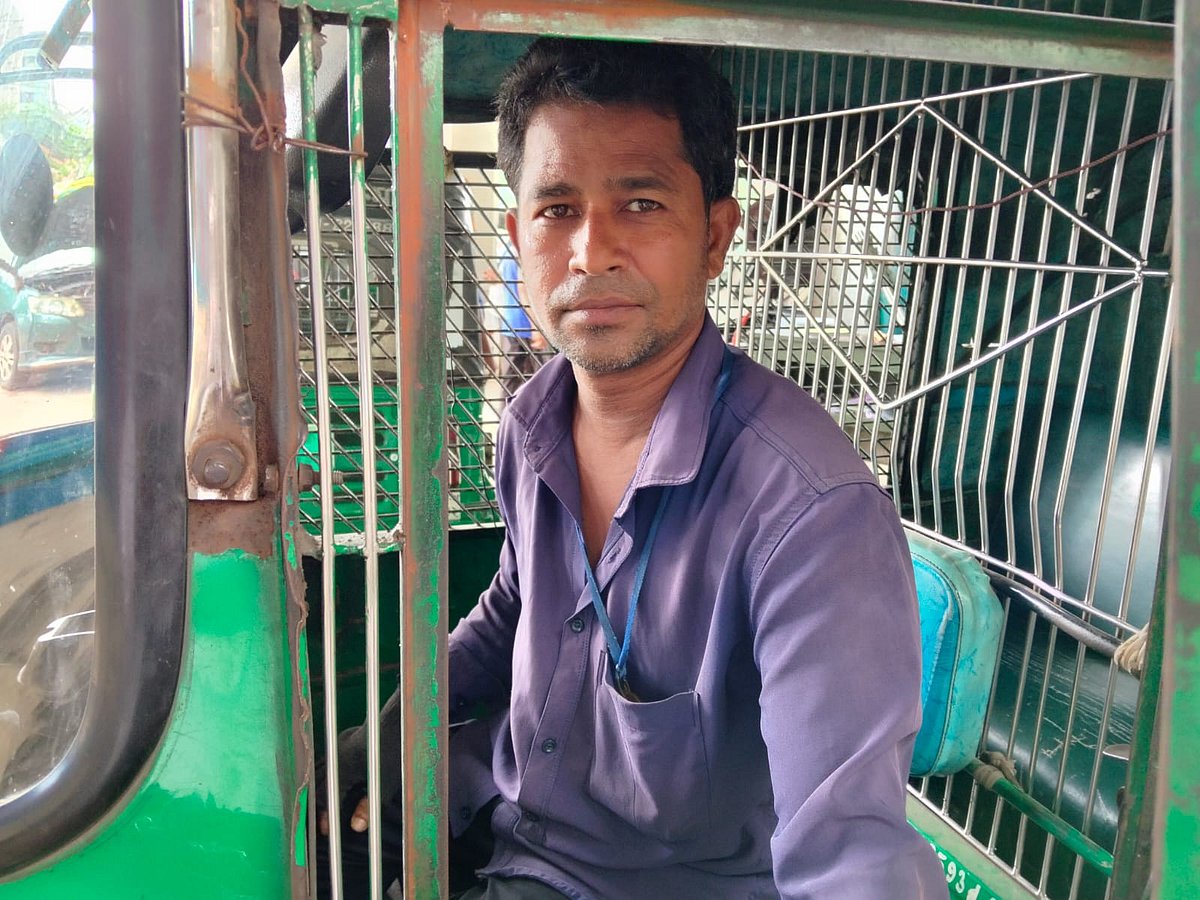
Photo Collected
CNG-run autorickshaw drivers in Dhaka are facing a severe operational crisis as a persistent shortage of natural gas continues to cripple their daily livelihoods. For the past three weeks, drivers across the capital have been forced to wait hours in long queues at filling stations, significantly reducing their earnings and pushing many into debt.
At the Sahil Filling Station in the Shyamoli area, Abul Bashar, a driver who traveled from Jatrabari, described the scarcity as unsustainable. After waiting two and a half hours on Saturday morning, he was only able to secure 60 Taka worth of gas, an amount he estimates will last less than an hour. Bashar, who supports his wife, three children, and elderly mother in Barishal, noted that his inability to maintain his normal income has prevented him from sending money home for a month.
The situation is replicated at filling stations from Shyamoli to Gabtoli. Drivers are increasingly spending their entire days in lines, often arriving before dawn or staying overnight to secure fuel. Station employees report that low pressure in the supply lines prevents them from providing the requested amount of gas to vehicles. Abdullah, a staff member at the Sahil Filling Station, explained that despite the desperation of drivers, the station simply lacks the capacity to meet demand.
The financial strain is exacerbated by the fixed daily fees drivers must pay to vehicle owners. Mohammad Babul, an Uber driver waiting at the Khalek Filling Station in Kalyanpur, said he has spent the last 15 days oscillating between driving and waiting in fuel lines, often sacrificing sleep to continue working. Babul, who previously purchased 1,000 Taka of gas daily, now frequently receives only 300 to 500 Taka worth of fuel. On Saturday, his efforts were further hampered when the station’s machinery suffered a technical failure, halting supply for an extended period.
Station officials, including cashier Abdur Rahman, confirmed that low pressure continues to slow down the distribution process, which is further complicated by aging or faulty equipment at some locations.
For many, the crisis has become a matter of survival. Shah Alam, another driver waiting in Gabtoli, stated that he faces daily expenses of 1,500 Taka, including the owner’s fee and fuel. With his income plummeting, Alam has already taken a 15,000 Taka loan from a village cooperative to cover household costs. He expressed deep frustration, noting that without a resolution to the gas crisis, he faces the prospect of further debt and an inability to provide for his family of six.
0%
0%
0%
0%
More News from Business