

Experts Warn of Potential Disaster Risks at Kaptai Dam Amid Earthquake Concerns
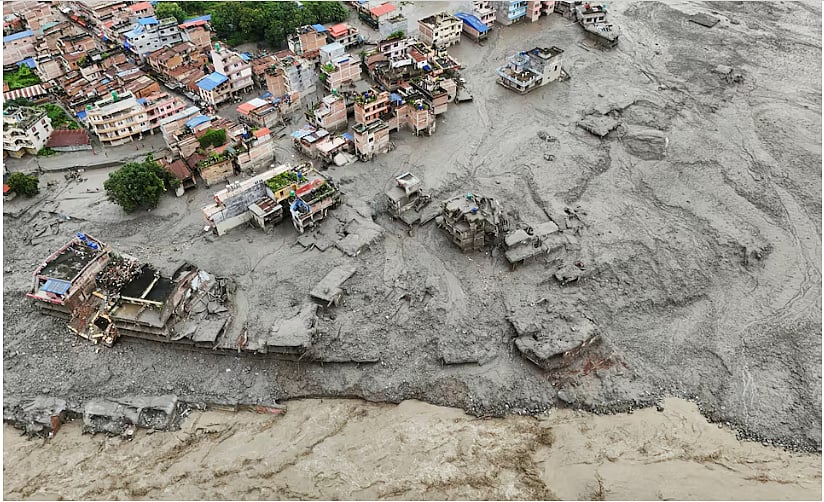
Photo Collected
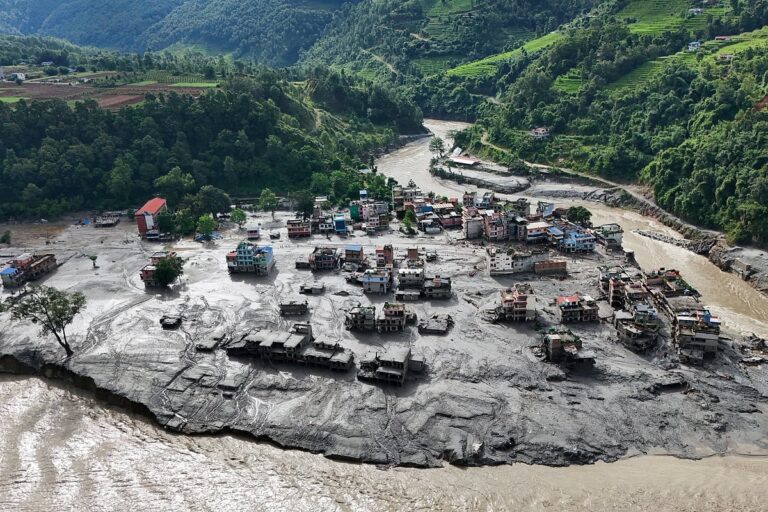
Experts are raising concerns about the structural integrity of the Kaptai Dam in Bangladesh, drawing parallels to the risks exposed by recent catastrophic flooding in Nepal. While the geological and meteorological contexts differ, analysts warn that the potential for a massive, sudden release of water remains a critical threat that necessitates urgent review and rigorous safety assessments.
The primary concern centers on the seismic vulnerability of the region stretching from Sylhet to Teknaf, particularly the Chittagong Hill Tracts. Geological data indicates that this area possesses the potential to generate earthquakes ranging from 8.2 to 9.0 in magnitude. Experts warn that a high-intensity seismic event could compromise the stability of the Kaptai Dam, especially if structural weaknesses exist within the aging facility.
A failure of the Kaptai Dam during the monsoon season, when water levels are at their peak, could prove devastating. The sudden discharge of trapped water would likely surge downstream with catastrophic velocity, endangering the town of Kaptai and surrounding low-lying areas. This scenario mirrors the risks of sudden, high-pressure water release seen in mountainous regions, where the combination of geological instability and compromised water-retaining structures can lead to disaster.
Commissioned in 1962, the Kaptai Dam has been in operation for over six decades, yet questions persist regarding the frequency and transparency of its structural risk assessments. Critics argue that insufficient attention has been paid to the long-term maintenance and monitoring of the dam’s structural health. There is an urgent call for comprehensive, scientifically rigorous inspections to identify potential cracks, material fatigue, or vulnerabilities in the dam’s foundation.
Technical experts emphasize the need for continuous monitoring of pressure dynamics, specifically how current water loads impact the dam’s structural capacity. Regular, independent evaluations are essential to ensure the facility can withstand both environmental pressure and potential seismic activity.
While acknowledging that Nepal’s geography and the specific triggers for its recent floods do not perfectly mirror Bangladesh’s situation, officials are being urged to treat the Nepal disaster as a significant warning. The imperative is to shift from reactive management to proactive safety measures, ensuring that the country’s critical infrastructure is capable of weathering the unpredictable forces of climate change and tectonic activity.
0%
0%
0%
0%