

Chittagong Urea Fertilizer Limited Resumes Gas Supply With Production Expected September 3
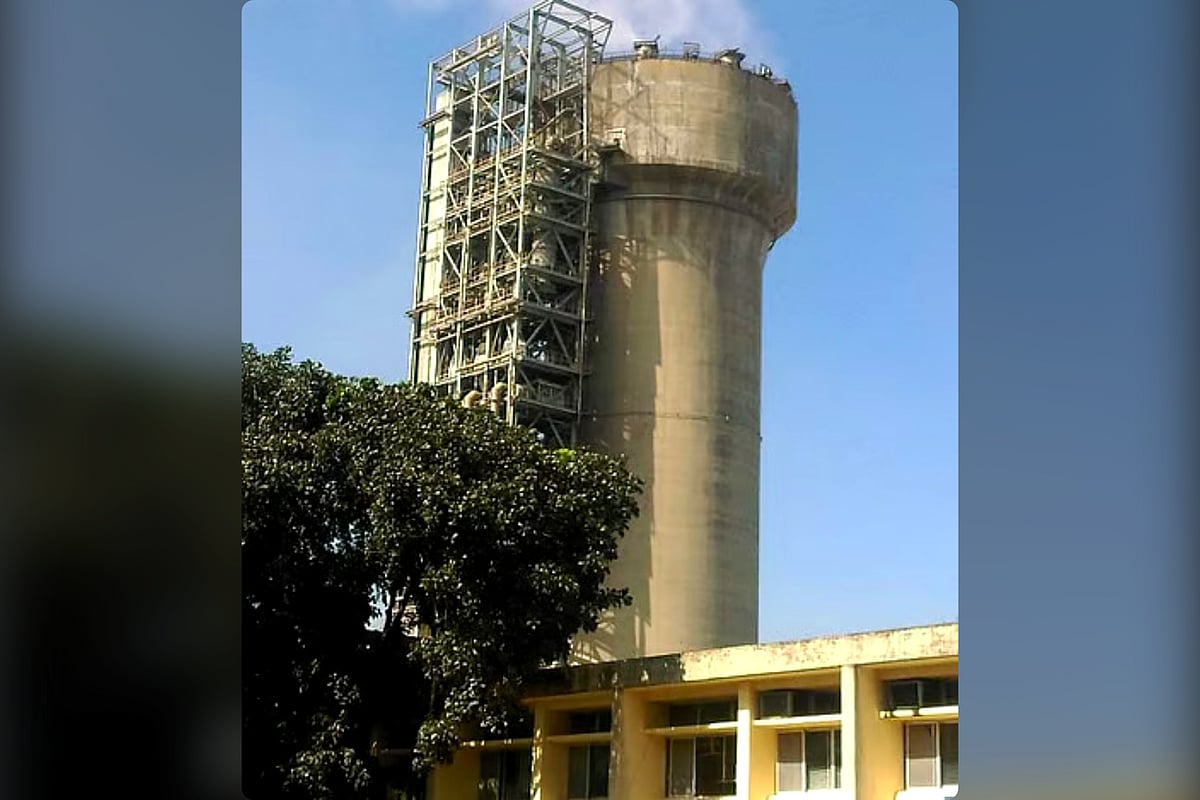
Photo Collected
Natural gas supply to the Chittagong Urea Fertilizer Limited (CUFL) plant in Anwara, Chittagong, was restored on Tuesday morning, setting the stage for the resumption of production after a suspension lasting more than five months.
The state-owned facility, which has faced intermittent closures due to gas shortages and mechanical issues, is expected to return to full-scale operations by September 3. Mizanur Rahman, Managing Director of CUFL, confirmed that the gas supply resumed around 11:00 a.m. on Tuesday. He stated that technical inspections of the machinery are currently underway to ensure the plant is prepared for the restart.
The facility has struggled with frequent shutdowns, rendering it largely idle in recent years. Operations were suspended on March 4 due to critical gas shortages. In the 2023-2024 fiscal year, the plant remained operational for only five days. The factory relies heavily on a consistent supply of natural gas, requiring between 48 and 52 million cubic feet daily to maintain full production capacity.
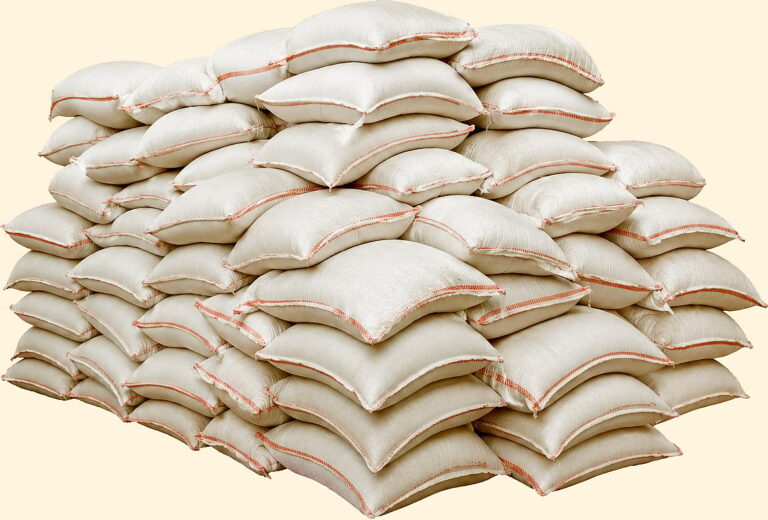
When operational, CUFL produces approximately 1,100 metric tons of urea fertilizer per day. At a valuation of 38,000 taka per metric ton, the plant generates daily output worth approximately 41.8 million taka.
The suspension of domestic production has significant implications for national agricultural requirements. Bangladesh has an annual demand for approximately 2.6 million metric tons of urea. While state-run factories under the Bangladesh Chemical Industries Corporation (BCIC), including CUFL, have the capacity to produce roughly 1 million metric tons, the remaining 1.6 million metric tons must be imported at a higher cost.
Established in 1987 with technical assistance from Japan, the plant is located on the southern bank of the Karnaphuli River in the Rangadia area of Anwara. Although the factory was originally commissioned with a daily production capacity of 1,700 metric tons of urea and an annual capacity of 561,000 metric tons, output has since declined. In addition to urea, the facility maintains the capacity to produce 800 metric tons of ammonia daily.
0%
0%
0%
0%