
Artificial Fertilizer Shortage Persists in Bangladesh Despite Adequate Stockpiles and Official Allocation
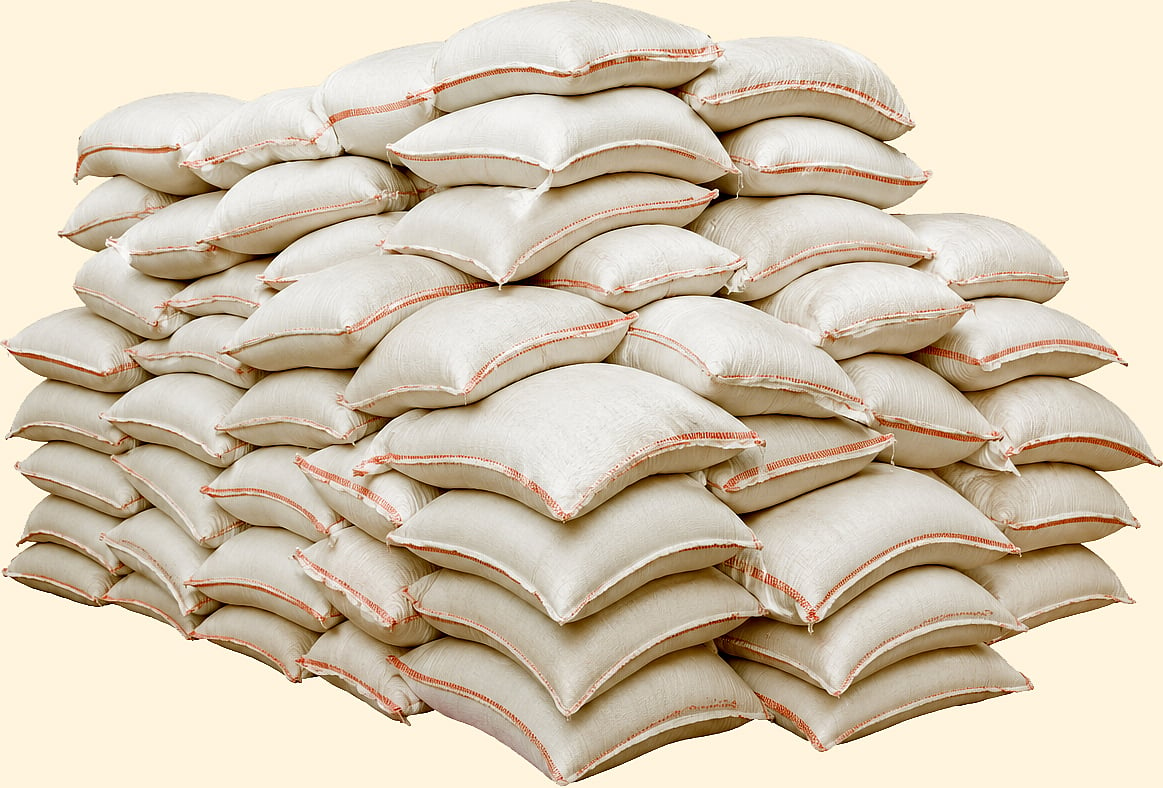
Photo Collected
Farmers across Bangladesh are facing severe fertilizer shortages during the critical Aman rice cultivation season, despite government data showing sufficient national reserves. While the Ministry of Agriculture maintains that adequate allocations have been made to dealers, widespread reports of artificially inflated prices and supply gaps have emerged as farmers prepare their land and transplant seedlings.
Ministry officials attribute the crisis to dealers who are failing to withdraw allocated fertilizer from warehouses, thereby engineering a supply shortfall. According to government regulations, the monitoring of fertilizer distribution—and ensuring that dealers fulfill their obligations—falls under the jurisdiction of local Upazila agricultural extension officers. However, an internal investigation by the ministry has confirmed significant negligence at the field level, with evidence suggesting that some distributors are diverting subsidized fertilizer to the black market.
Recent enforcement actions highlight the scale of the issue. In the Rajshahi district, four dealers were fined a total of 85,000 Taka over the past three days for illegally transporting fertilizer between districts. Similarly, in Jessore, a mobile court fined two dealers 10,500 Taka on August 2 for selling products above the government-mandated price.
Ahmed Faisal Imam, Additional Secretary for Fertilizer Management and Materials at the Ministry of Agriculture, acknowledged that while the ministry ensures timely imports and allocations, the supply chain is being compromised by field-level officials and dealer collusion. He confirmed that the government has begun taking punitive measures, including the transfer of three district-level deputy directors and the impending dismissal of an Upazila agricultural officer.
Data from the Department of Agricultural Extension underscores the disconnect between allocation and actual distribution. As of August 20, national records showed that only 149,612 metric tons of urea had been distributed out of a monthly allocation of 279,412 metric tons. Regional data reflects similar trends; for instance, in the Dhaka division, dealers had only withdrawn 8,965 metric tons of urea out of an allocated 19,918 metric tons by August 20. Similar shortfalls in the withdrawal of TSP, DAP, and MOP fertilizers were observed in the Comilla and Khulna divisions.
Government reserves remain stable, with substantial stocks reported for both urea and non-urea fertilizers. The Bangladesh Chemical Industries Corporation and the Bangladesh Agricultural Development Corporation report reserves that significantly exceed current monthly demand, suggesting that the scarcity is not due to a lack of supply but rather systemic distribution failures.
Professor Chadeka Haque of the Department of Agricultural Economics at Bangladesh Agricultural University described the situation as a supply-chain malfunction. She noted that fertilizer is often unavailable at authorized dealerships but readily found in neighboring retail shops at exorbitant prices. Experts are now urging the government to implement real-time digital tracking, enforce stricter licensing audits, and dismantle the existing dealer-controlled network to ensure that subsidized fertilizers reach farmers directly.
0%
0%
0%
0%