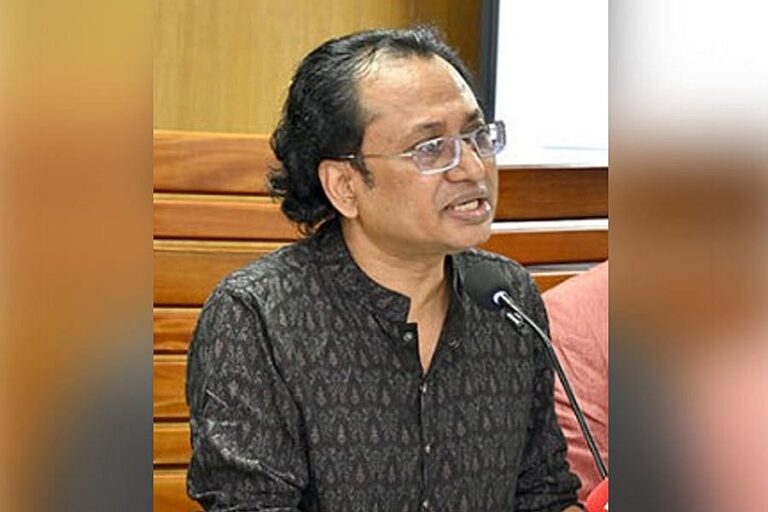

Mayer Daak Coordinator Accuses Tribunal of Prioritizing Jamaat-e-Islami Linked Disappearance Cases Over Others
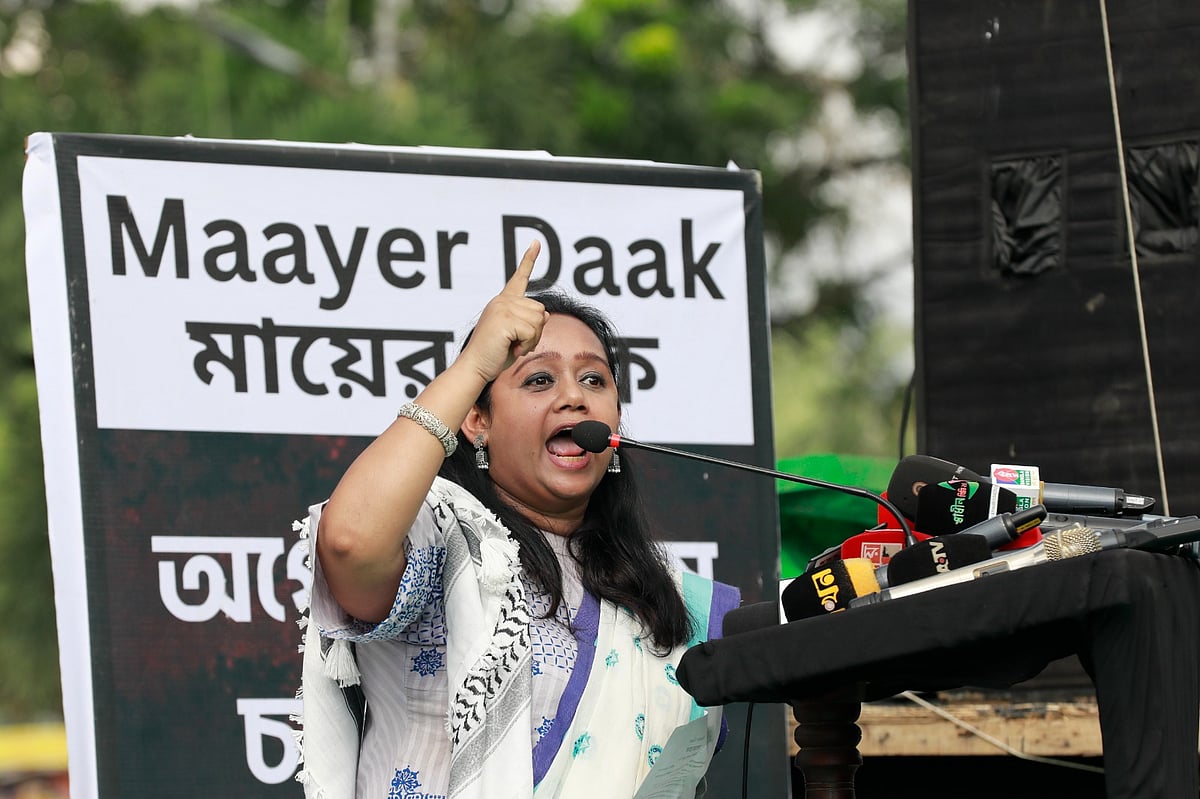
Photo Collected
Sanjida Islam, coordinator of the victims’ advocacy group Mayer Dak, has accused the interim government of prioritizing cases involving Jamaat-e-Islami affiliates in the International Crimes Tribunal while allegedly neglecting the broader investigation of enforced disappearances that occurred during the Awami League administration.
Islam, the sister of disappeared Bangladesh Nationalist Party (BNP) leader Sajedul Islam and currently a reserved-seat Member of Parliament, voiced her concerns on Tuesday at the office of the Chief Prosecutor of the International Crimes Tribunal. Accompanied by other families of victims, she sought updates on the progress of investigations into long-standing allegations of state-sponsored disappearances.
Addressing reporters, Islam stated that there was a high expectation following the political uprising that cases of enforced disappearance would be expedited. She noted that Mayer Dak had submitted approximately 150 complaints to the tribunal’s office, supported by over a decade of evidence. She expressed frustration that, despite the transition in governance, there has been no tangible progress in these investigations over the past 15 months.
Islam questioned why the tribunal focused selectively on three specific cases, all involving Jamaat-e-Islami figures, rather than addressing all victims collectively. Among these cases are the disappearances of former Jamaat-e-Islami Member of Parliament Mir Ahmad Bin Quasem and retired Brigadier General Abdullahil Aman Azmi, the latter being the son of the late Jamaat-e-Islami leader Ghulam Azmi. These cases are currently being prosecuted against dozens of serving and former military officers.
Reflecting on the perceived political bias, Islam argued that the investigative process should have transcended political agendas. She expressed hope that the current Chief Prosecutor, Md. Aminul Islam, would rectify the lack of movement in the broader caseload.
In response, Chief Prosecutor Aminul Islam emphasized that the tribunal views all victims through the lens of humanitarian justice rather than political affiliation. He stated that the investigation agency does not discriminate based on party identity, asserting that if individuals affiliated with the Awami League were victims of enforced disappearances, their cases would also be addressed with the same commitment to justice.
Providing an update on the ongoing efforts, the Chief Prosecutor confirmed that investigators have verified the cases of 250 individuals who were abducted by law enforcement agencies and have yet to be recovered. He noted that the tribunal is currently recording the testimonies of these families and identifying the specific locations where the abductions took place.
The Chief Prosecutor acknowledged the scale of the task, noting that a dedicated team of five investigation officers is working to process these cases systematically. He appealed for patience, explaining that the methodical documentation of each individual family’s experience is essential for the integrity of the forthcoming investigation reports.
0%
0%
0%
0%