
Chittagong University of Engineering and Technology Faces Severe Food Crisis Due to Prolonged Gas Shortage
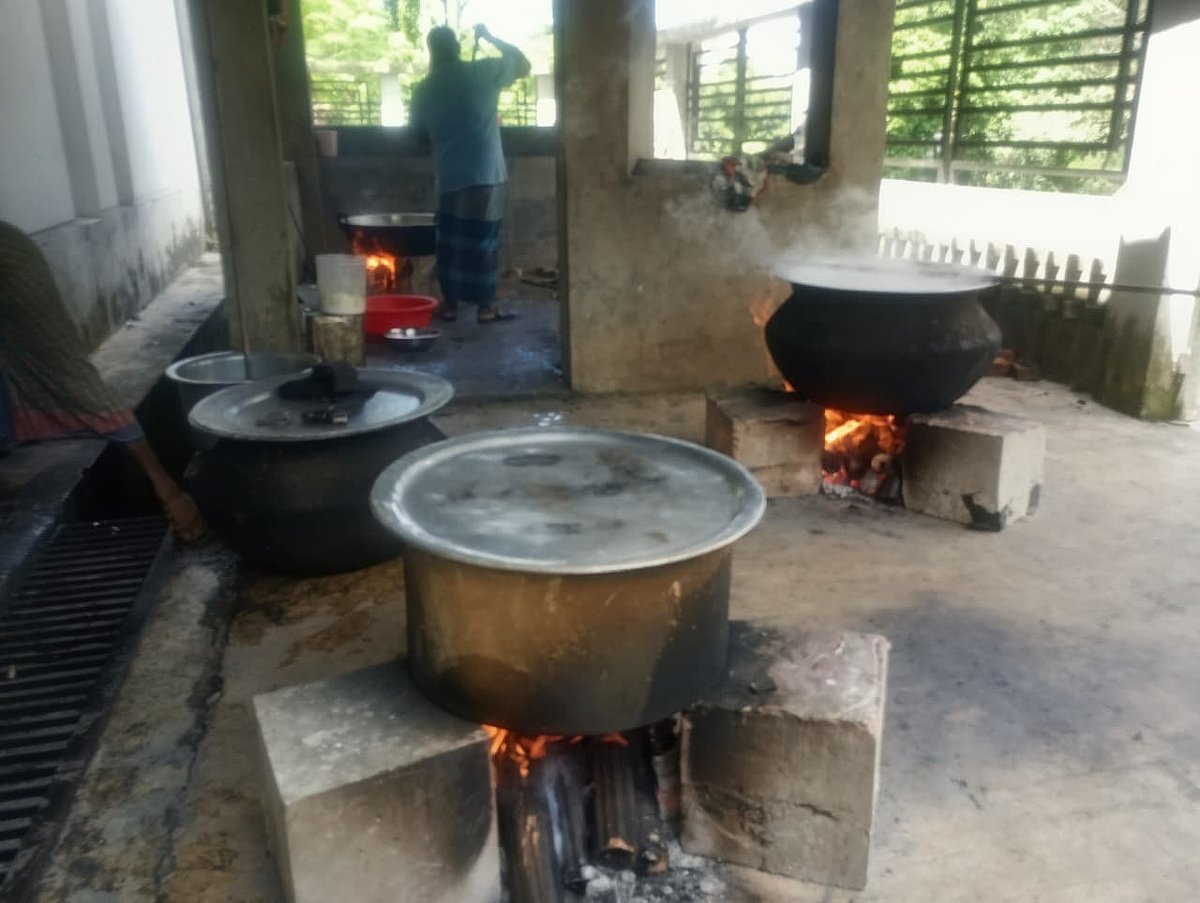
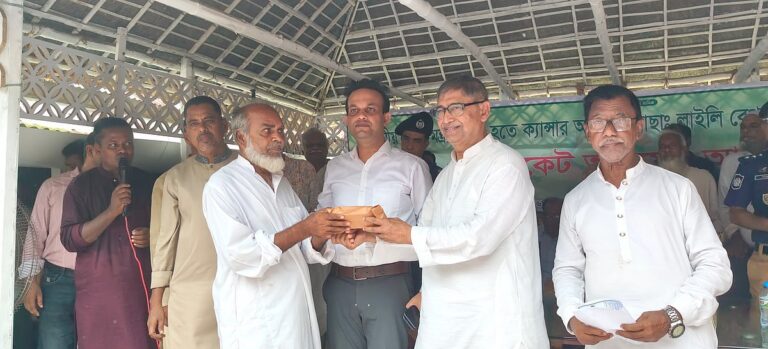
Photo Collected
CHITTAGONG – A severe gas shortage has paralyzed kitchen operations at Chittagong University of Engineering and Technology (CUET), forcing dining staff to resort to makeshift wood-burning stoves to feed thousands of students. The crisis, which has persisted for over a week, has severely disrupted daily life across the university’s nine residential halls.
Dining hall workers are currently cooking meals on makeshift stoves constructed from cement blocks, filling kitchens with thick smoke that permeates living quarters. The transition from gas to wood fuel has significantly increased preparation times and labor intensity. Because the cooking areas are often exposed to the elements, sudden rainfall frequently halts meal production, leaving hundreds of students without timely access to food before classes or examinations.
CUET manages six halls for male students and three for female students, serving an average of 300 to 400 residents per hall daily. Dining managers report that the inability to maintain consistent cooking temperatures has forced them to limit menus, abandoning the variety of dishes typically available to students.
Tahmid Supto, a student dining manager at Shahid Mohammad Shah Hall, noted that the drop in gas pressure has rendered standard meal planning impossible. Similarly, Sunehera Subah, manager of the Taposhi Rabeya Hall, highlighted the grueling conditions faced by staff, who must contend with intense heat and smoke. She warned that the ongoing uncertainty is forcing many students to attend classes hungry. Students, including civil engineering department member Nusrat Khanam, have expressed concern over the long-term health and environmental impact of the smoke-filled campus atmosphere.
The crisis extends beyond residential halls to campus canteens and faculty housing. Canteen operators are struggling to keep businesses viable; some are resorting to expensive liquefied petroleum gas (LPG) cylinders, which has significantly driven up food costs. Faculty members, including Professor Mosammat Roksana Khatun of the Chemistry Department, report that they have been forced to rely on electric stoves as gas supply remains nonexistent throughout the day.
University officials have attributed the disruption to national supply issues. Tarekul Alam, the university’s chief engineer and an associate professor of civil engineering, stated that gas transmission issues originating from Matarbari have caused shortages nationwide. He indicated that normal supply at CUET will likely only resume once these broader infrastructure challenges are resolved.
0%
0%
0%
0%
More News from Local