


Proposed constitutional reforms seek to empower presidency and balance executive authority in Bangladesh
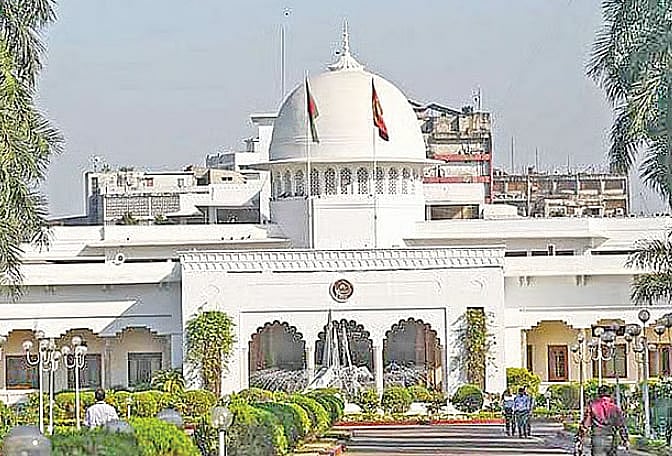
Photo Collected
The office of the President, as the highest constitutional position in Bangladesh, remains largely ceremonial with limited independent authority. While all executive actions are formally issued in the President’s name, current constitutional provisions mandate that the head of state act upon the advice of the Prime Minister, with the sole exceptions of appointing the Prime Minister and the Chief Justice.
Proposals to redistribute executive power and mitigate the concentration of authority in the office of the Prime Minister were formally outlined in the “July National Charter.” Drafted following a series of negotiations between the interim government and various political parties, the charter aims to decentralize state power to prevent the recurrence of autocratic governance. Despite the document containing 84 reform proposals—including 48 constitutional amendments—it remains unimplemented six months after the elected government assumed office.
The constitutional reform commission has repeatedly highlighted that the lack of institutional balance served as a significant threat to democratic stability, effectively allowing the concentration of power to foster authoritarianism. To address this, the July National Charter suggests empowering the President to make independent appointments to key institutions, including the National Human Rights Commission, the Information Commission, the Press Council, and the Law Commission.
The Bangladesh Nationalist Party (BNP) has pledged to implement the July National Charter as signed, noting that they intend to proceed with constitutional amendments despite some reservations. Regarding the appointment powers, the BNP maintains a dissent note concerning the inclusion of the Bangladesh Bank Governor and the Energy Regulatory Commission under the President’s independent purview. Furthermore, the BNP has proposed the creation of a Vice-President position as part of its broader platform for executive balance.
Central to these reforms is the proposed modification of Article 70 of the Constitution. Currently, this article prevents members of parliament from voting against their party’s stance, which effectively mandates party-line voting on all issues. The July National Charter proposes that members be allowed to vote independently on matters outside of money bills and votes of confidence. While the BNP supports a version of this reform, it seeks to retain party discipline on additional matters, including constitutional amendments and national security issues.
The debate surrounding these reforms persists as the current administration moves toward constitutional review. Home Minister Salauddin Ahmed stated that upcoming amendments will address Article 70 in accordance with the consensus reached in the July National Charter, asserting that future presidential elections will be conducted under the revised framework. Conversely, political figures like National Citizens’ Committee (NCC) convener Nahid Islam have argued that the presidential office would gain significant stature if members were granted the freedom to vote independently, facilitating a more robust balance of power between the executive branches.
0%
0%
0%
0%
More News from Local