

Actress Sadia Ayman Criticizes Online Backlash Against Women-Only Pink Bus Service
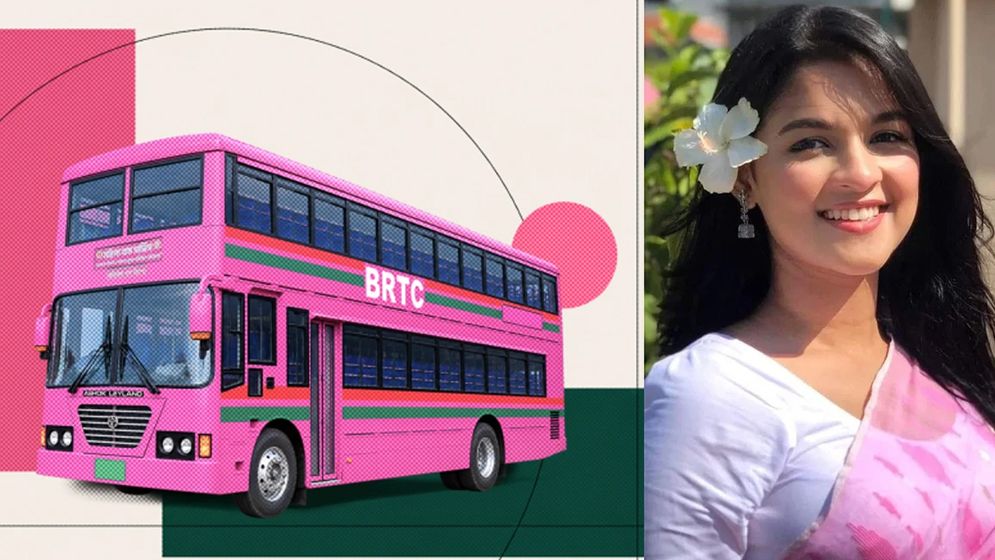
Photo Collected
Popular Bangladeshi actress Sadiya Ayman has publicly criticized the negative social media discourse surrounding the introduction of “Pink Bus” services, a transportation initiative designed exclusively for women. The actress took to Facebook on August 19 to condemn the online trolling and mockery directed at the project, asserting that such hostility reflects a deeper, regressive mindset within segments of society.
Addressing the controversy, Ayman stated that the backlash is not truly about the color or the branding of the buses, but rather an underlying societal reluctance to accept the progress, independence, and self-sufficiency of women. She urged the public to view the initiative—which she described in her post as “cute and pookie”—as a symbol of the hard work and dedication of female entrepreneurs and workers. She further called on her followers to disregard negative criticism and instead support public welfare efforts that aim to empower women.
The “Pink Bus” service has recently been launched in Dhaka and several other locations across the country to provide safe and comfortable transportation for female commuters. The primary objective of the initiative is to mitigate the challenges faced by working women and students, specifically aiming to reduce harassment and safety risks associated with traditional public transport.
The service stands out for its female-centric operational model, employing women as drivers, helpers, and management staff. While the initiative has received significant praise from commuters who benefit from the increased security and convenience, it has simultaneously faced derision from some online users who have focused their criticism on the aesthetic choices of the buses.
Ayman’s intervention has sparked a wider conversation on social media regarding the barriers women face in their professional and social advancement. Her stance has garnered widespread support, highlighting the ongoing struggle against societal prejudices that attempt to diminish the importance of women-led initiatives.
0%
0%
0%
0%