Bangladesh to Overhaul Social Safety Net Through Integrated Family Card System
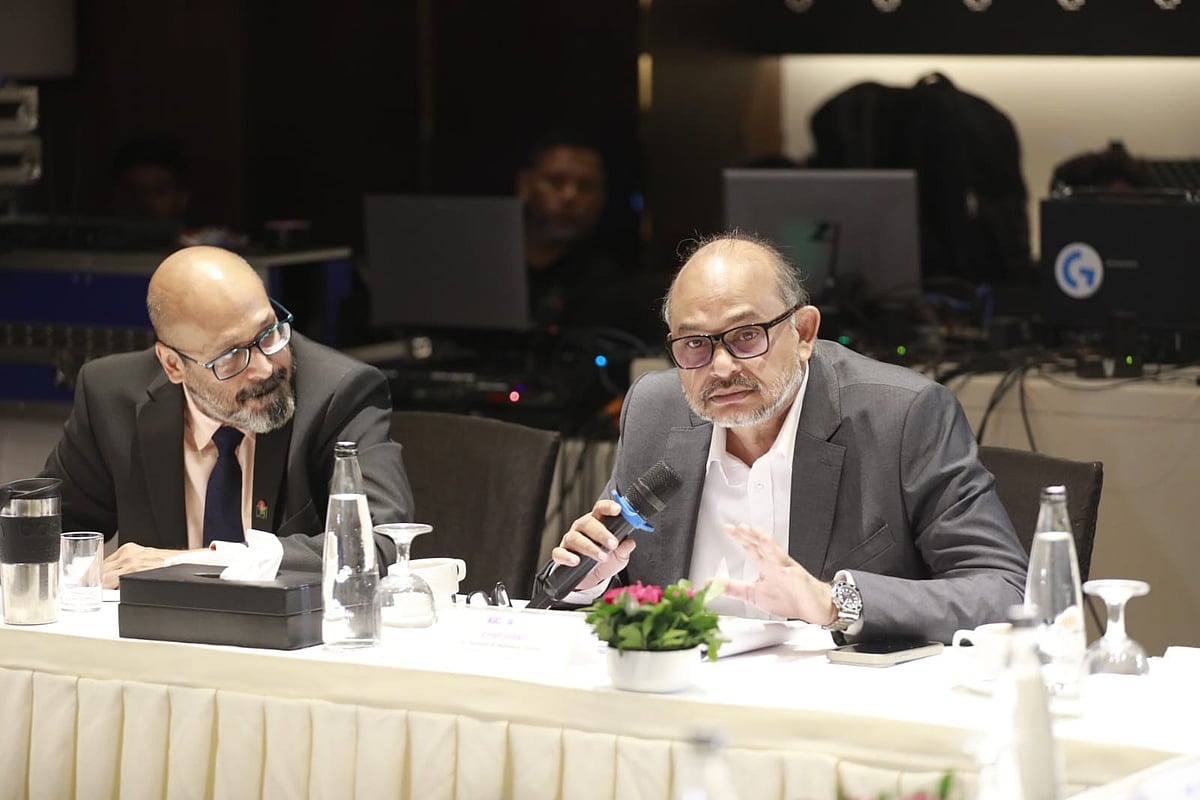
Photo Collected
The Bangladeshi government is moving to overhaul its social safety net framework, positioning the new “Family Card” initiative not merely as a welfare distribution program, but as the cornerstone of a universal social protection system. Prime Minister’s Adviser for Finance and Planning, Dr. Rashed Al Mahmud Titumir, emphasized that the shift is essential to addressing persistent gaps in poverty reduction and employment security.
Addressing a roundtable discussion titled “How the Family Card Can Push the Frontiers of Social Safety Net in Bangladesh,” held in Dhaka and jointly organized by the International Growth Centre (IGC) and BRAC University’s Institute of Governance and Development (BIGD), Dr. Titumir highlighted the need for a cohesive, accountable system. He noted that despite fiscal constraints, the government has launched the Family Card program for 4.1 million households with a budget of 14 billion taka, viewing the expenditure as a strategic investment in human capital rather than a simple subsidy.
The current social protection model has long been hampered by inadequate funding, fragmented service delivery, and inaccuracies in beneficiary selection. To counter these systemic weaknesses, the government aims to modernize the infrastructure through institutional reform. Dr. Titumir stated that the ultimate goal is to establish a “one citizen, one card” system, which requires seamless data interoperability between agencies such as the revenue department, local government, and employment bureaus, rather than merely aggregating databases.
Recognizing the escalating threats posed by climate change and global economic instability, the adviser underscored the importance of building a shock-responsive system. Plans are currently underway to integrate support for individuals with special needs, families impacted by seasonal shocks, and the unemployed into the unified family-based framework. To ensure the accuracy of beneficiary lists, the government intends to utilize updated poverty mapping techniques from the Bangladesh Bureau of Statistics alongside consistent local-level verification processes.
Reframing social protection as a form of social contract, Dr. Titumir called for a participatory approach involving civil society, research institutions, and policymakers. He stressed that technological integration alone is insufficient; the success of the reform hinges on transparency, institutional coordination, and a firm commitment to the constitutional mandates of social justice and human dignity.
The roundtable featured a keynote presentation by BIGD Executive Director Imran Matin and was moderated by IGC Country Economist Aminul Aman. The event also included insights from prominent policy analysts, including Centre for Policy Dialogue (CPD) Executive Director Fahmida Khatun and Bangladesh Institute of Development Studies (BIDS) Research Director Atanu Rabbani, who collectively explored strategies to refine and expand the scope of the nation’s safety net architecture.
0%
0%
0%
0%