

Physician Shortage Leaves Brahmanbaria Hospital Eye Surgery Unit Idle for Seven Years
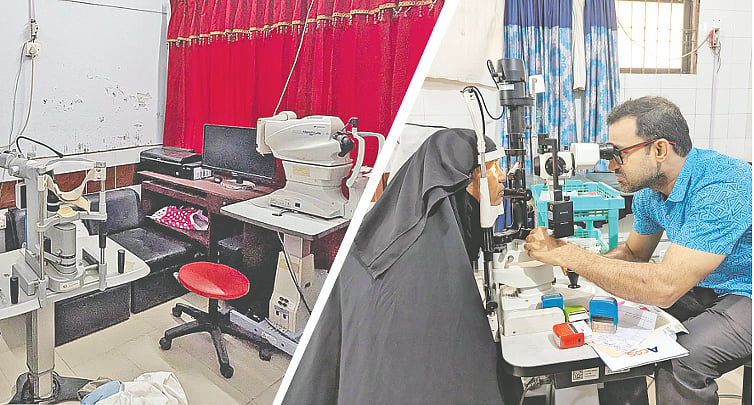
Photo Collected
A critical shortage of specialist surgeons at the 250-bed Brahmanbaria General Hospital has brought all ophthalmic surgical services to a standstill for more than seven and a half years. The prolonged suspension of care has not only left residents in need of sight-saving procedures, such as cataract surgeries, to seek expensive treatment at private clinics but has also resulted in the decay of specialized medical equipment valued at approximately 12.5 million taka.
According to hospital records, the facility previously thrived under the National Eye Care program, which provided comprehensive services including laser therapy and diabetic retinopathy screenings. At its peak, the department performed more than 200 surgeries monthly. However, the service landscape shifted in 2018 when the last resident ophthalmologist transferred out. Since then, the hospital has struggled to fill two key vacancies—one senior and one junior consultant—leaving the department largely incapacitated.
The lack of regular medical oversight has caused a widespread failure of clinical infrastructure. Hospital staff report that 13 out of 17 pieces of equipment in the operating theater, as well as six items in the outpatient department and five diagnostic machines, have become unusable due to rust and neglect. Among the most significant losses are a high-end operating microscope, specialized laser machines for diabetic retinopathy, and various diagnostic scanners, which remain idle and irreparable after years of disuse.
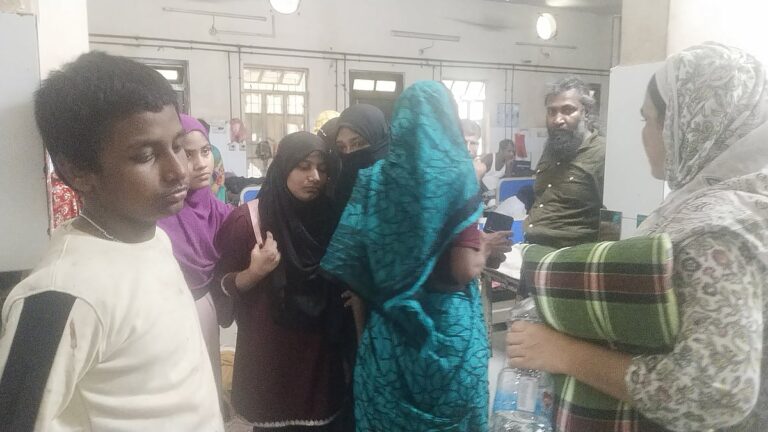
Currently, the department operates with a single ophthalmologist, Dr. Obaidul Haque, who was promoted to junior consultant last December after serving as a medical officer since April 2023. While the outpatient department continues to screen between 180 and 250 patients daily for basic vision assessments and cataract identification, the facility remains unable to provide definitive surgical interventions. Patients, such as Aziz Mia from Nasirnagar, have expressed frustration over the lack of public options, noting that private medical care remains prohibitively expensive for low-income families.
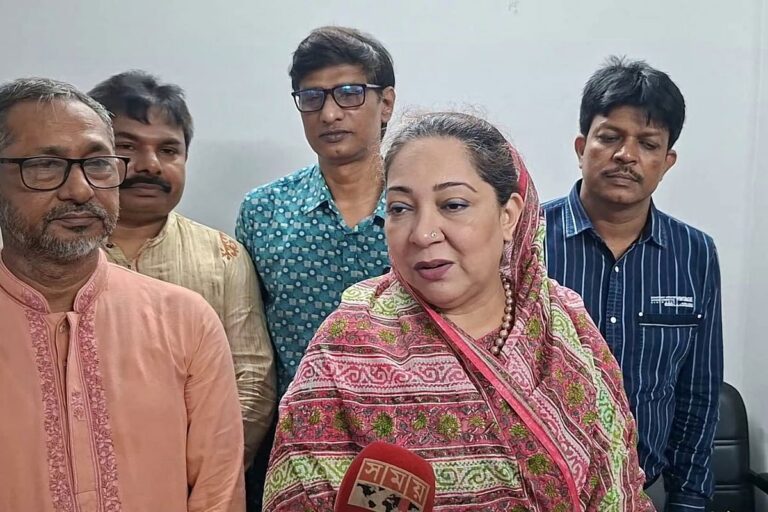
Hospital Superintendent Ratan Kumar Dhali confirmed that the institution has initiated discussions with the National Institute of Ophthalmology and Hospital to revive surgical services under a new project. He added that the administration has repeatedly petitioned the relevant authorities to address the chronic staffing shortage. While a portion of the eye ward was temporarily converted to house the children’s ward to manage space constraints, officials stated that the transition is currently being reversed to clear the way for potential restoration of services.
0%
0%
0%
0%