Ousted leader Sheikh Hasina signals return to Bangladesh as Dhaka protests New Delhi press event
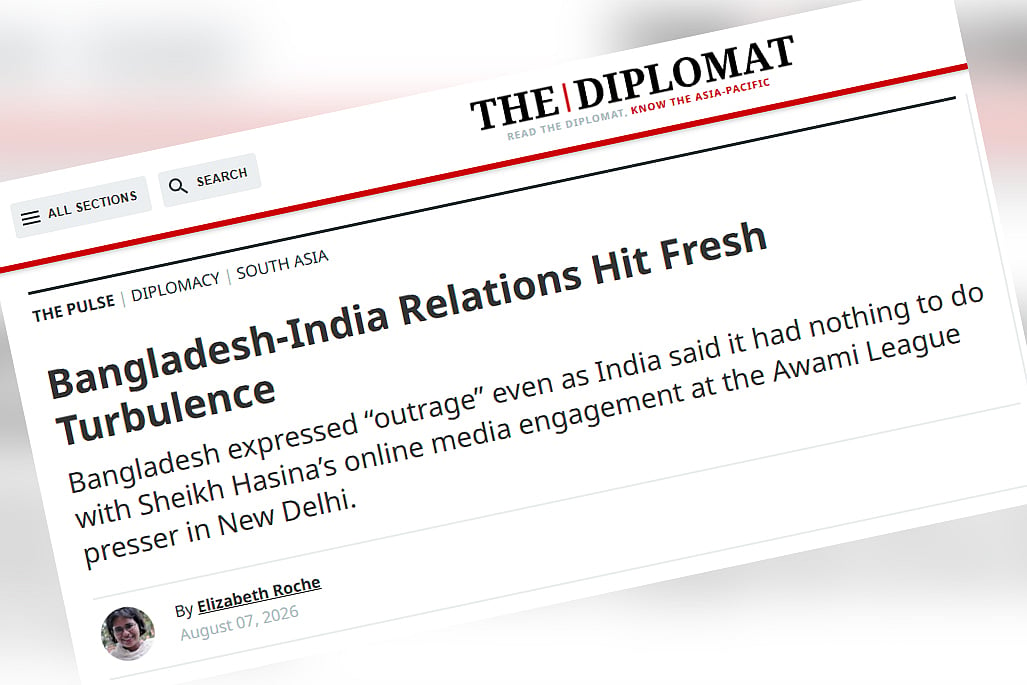
Photo Collected
The Bangladeshi government has issued a sharp diplomatic protest to India following a virtual press conference held by ousted Prime Minister Sheikh Hasina from New Delhi. The 78-year-old former leader, who was convicted of crimes against humanity and sentenced to death for her role in attempting to suppress the 2024 student-led uprising, addressed the media on Wednesday via an event hosted by the Foreign Correspondents’ Club of South Asia (FCC South Asia).
Hasina, who has remained in India for the past two years, used the platform to announce her intention to return to Bangladesh by December. Her party, the Awami League, remains banned in Bangladesh, and her administration’s collapse triggered a significant geopolitical shift in the region. Bangladesh’s Foreign Ministry described the event as a “grave insult” to the martyrs of the July revolution and a violation of national sovereignty, noting that they had previously cautioned New Delhi against allowing such activities on Indian soil.
Analysts suggest Hasina’s return announcement is a desperate attempt to maintain political relevance and mobilize her base. Michael Kugelman, a South Asia expert at the Atlantic Council, told *Nikkei Asia* that Hasina may believe the current political climate—specifically under a government led by the Bangladesh Nationalist Party (BNP)—could be more favorable for her return than under the previous interim administration that outlawed her party. Conversely, others argue she may simply wish to clear her name in court or spend her final years in her home country.
Despite the rhetoric, legal experts and political observers remain skeptical of her political viability. If she were to return, she would almost certainly face immediate arrest. Furthermore, her presence could trigger significant unrest, forcing the current government to manage intense pressure regarding her legal proceedings and public sentiment. Zahid Ur Rahman, an advisor to the Bangladeshi government, confirmed that Dhaka has formally requested her extradition, reiterating that the state is prepared to ensure she faces a fair trial.
The incident has strained the delicate process of normalizing ties between Dhaka and New Delhi. While India has sought to distance itself from the event—with Ministry of External Affairs spokesperson Randhir Jaiswal stating the government had no involvement or association with the press conference—the optics have proven problematic.
Diplomatic relations have been in flux since the rise of the current government, which is looking to redefine its foreign policy, including closer engagement with China. However, strategic necessities remain: the two nations share a 4,100-kilometer border, and India relies on Dhaka’s cooperation to maintain stability in its northeast and address regional insurgency.
Reports from *The Diplomat* indicate that while forced extradition remains an unlikely scenario, both nations are under pressure to navigate these tensions. With the upcoming expiration of the Ganges Water Sharing Treaty in December and the potential for new bilateral agreements, the path toward stable relations depends on both countries resolving the diplomatic friction caused by Hasina’s continued presence and public interventions in India.
0%
0%
0%
0%