
Microplastic Contamination Found in Chattogram River Fish Entering Human Food Chain
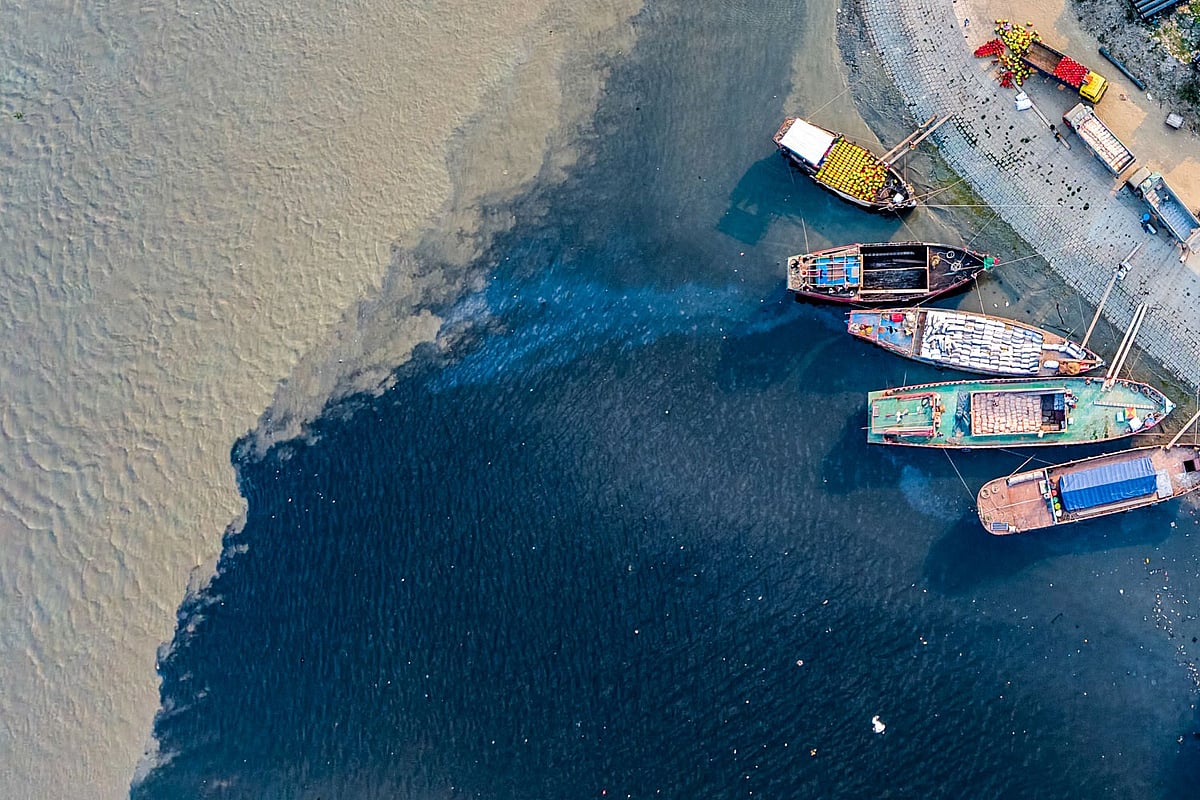
Photo Collected
Pollution in Bangladesh’s major river systems has transcended visible surface debris, infiltrating the aquatic food chain and posing a direct threat to human health. Recent research into the Karnaphuli and Halda rivers—the economic and ecological lifeblood of the Chattogram region—reveals that microplastics have moved from river water and sediment into the tissues of fish, marking a critical shift in the region’s environmental crisis.
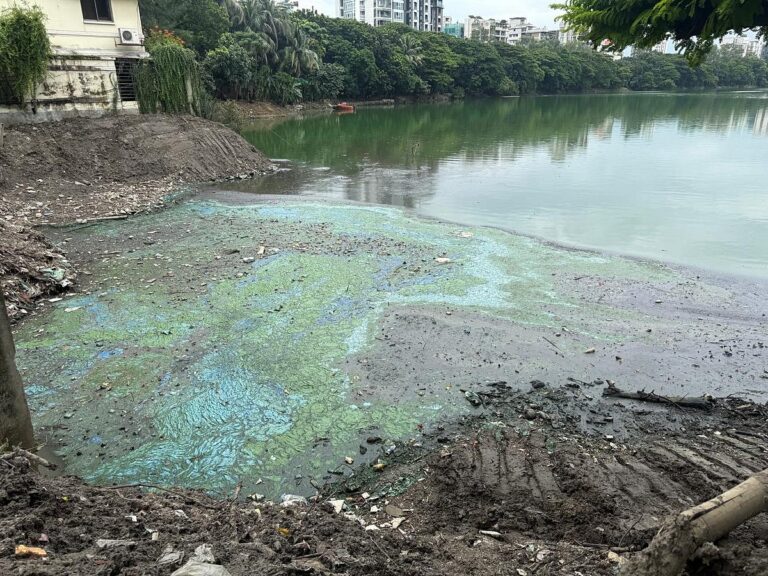
While the Karnaphuli River is visibly choked with plastic bottles, discarded fishing nets, and household waste, experts warn that the more lethal threat is microscopic. Over time, large plastic waste undergoes fragmentation via solar radiation and mechanical friction, breaking down into particles smaller than five millimeters. These microplastics are now omnipresent, settling into riverbeds and being ingested by aquatic life.
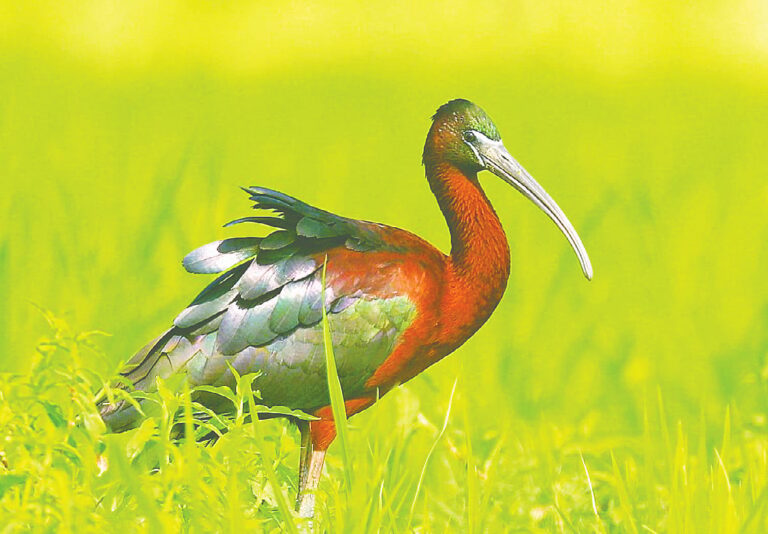
Research conducted over the past two years, including findings published in the *Dhaka University Journal of Biological Sciences*, confirms the presence of these particles in 48 fish across eight species in the Halda River. Alarmingly, the contaminants were found not just in the digestive tracts of the fish, but in the muscle tissue consumed by humans. Data suggests that herbivorous fish are particularly susceptible, as they inadvertently consume plastic particles while grazing on plankton.
The Karnaphuli River, which serves as a major industrial corridor, faces a multifaceted assault. Scientific analysis of 24 sampling points indicates high concentrations of microplastics in both water and sediment, with the highest levels occurring in the lower reaches near the port and industrial zones. Researchers note that these particles originate from a variety of daily human activities, including the laundering of synthetic clothing, the use of industrial textiles, and improper disposal of consumer packaging.
The situation in the Halda River, a globally unique natural spawning ground for carp, is equally concerning. While the river lacks the heavy industrial density of the Karnaphuli, it is increasingly impacted by pollutants transported through its tributary canals. Experts from the Halda River Research Laboratory emphasize that once these particles enter the ecosystem, they act as vectors for heavy metals and toxic chemicals, creating a long-term, irreversible ecological burden.
Environmental scientists and researchers argue that existing waste management infrastructure—including Effluent Treatment Plants (ETPs) in local industries—is largely inadequate for filtering sub-millimeter plastic particles. Much of the current technology is designed to manage chemical or organic waste, leaving microplastics to flow unchecked into the rivers.
As the contamination moves from the environment into the food supply, experts are calling for a systemic overhaul of waste management and industrial regulations. The consensus among researchers is that the issue can no longer be categorized as a mere environmental nuisance. With the integrity of local fisheries and public health now at stake, there is an urgent need for the government to implement stringent, modernized policies to stop the influx of plastic waste at its source before the damage to the aquatic food chain becomes permanent.
0%
0%
0%
0%