US Proposes F-35 Jet Sale to Saudi Arabia Amid Escalating Yemen Conflict

Photo: Collected
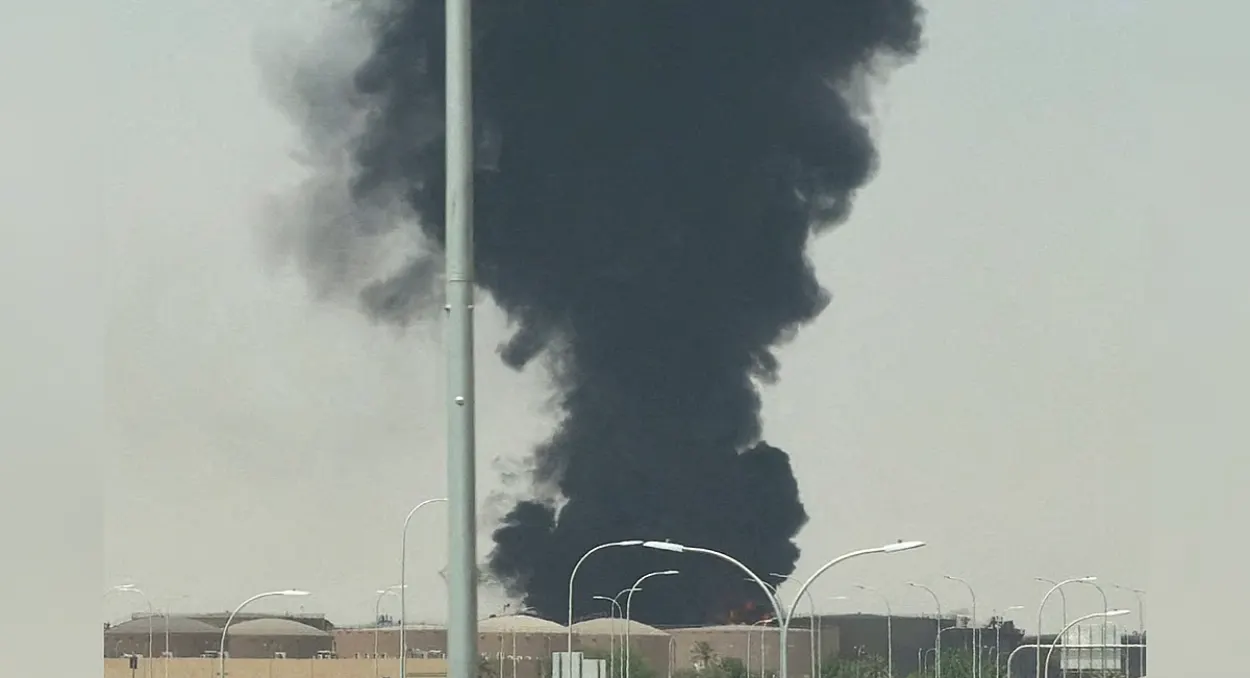
Intense fighting between Saudi-backed government forces and Houthi armed groups continues to escalate across Yemen, driving mounting casualties and displacing hundreds of thousands of civilians. Amid the deepening conflict, the United States has moved to bolster Riyadh's military capabilities by proposing the sale of advanced F-35 fighter jets, further complicating regional dynamics.
The renewed hostilities flared in July against the backdrop of an ongoing six-month war involving Iran. The conflict intensified after the Houthi movement—backed by Tehran—imposed restrictions on Saudi vessel movements in the Red Sea, threatening the vital Bab el-Mandeb Strait. The situation deteriorated further after Houthi forces seized control of a strategic island and the port city of Mokha, consolidating their dominance along Yemen's entire Red Sea coastline and triggering fierce retaliatory clashes with government forces and Saudi-led airstrikes.
On Friday, heavy fighting erupted in Taiz province, where government forces reported the day's largest engagement against Houthi fighters in Al-Waziyah district. According to government reports, at least 30 Houthi fighters were killed and 60 others wounded in the clash, while airstrikes targeted the Al-Dhikra, Al-Damna, and Al-Rahida areas of the province.
The preceding 24 hours also saw heavy casualties, with AFP reporting Thursday that Saudi airstrikes had killed at least 40 Houthi fighters, while Houthi counterattacks across two provinces claimed the lives of 23 government soldiers. The Houthis have issued no immediate response regarding Friday's casualties. However, Houthi leader Abdul-Malik al-Houthi blamed the United States and Israel for the escalation, stating that Saudi attacks on Sanaa airport forced them into direct confrontation, and accusing Washington and Israeli Zionists of directing the Saudi military campaign.
The humanitarian toll of the conflict continues to mount. According to the International Organization for Migration, at least 112,000 people have been displaced across various parts of Yemen since the fighting began, seeking safe refuge. Additionally, approximately 3,000 Yemenis have crossed the Gulf of Aden to find shelter in the African nation of Djibouti.
Economically, the regional fallout has been severe. Rania Al-Mashat, Executive Secretary of the United Nations Economic and Social Commission for Western Asia, told an informal UN Security Council meeting that the broader conflicts have cost Arab economies approximately 150 billion dollars since the start of the war, amounting to roughly 4 percent of their combined gross domestic product.
In response to the Houthi threat, Riyadh has sought assistance from its allies, including the United States. Although Washington previously stated it would not directly intervene in the fighting between the Houthis and Yemeni government forces, the US State Department announced it has submitted a proposal to lawmakers to approve the sale of 48 advanced F-35 fighter jets to Saudi Arabia, valued at approximately 25 billion dollars. The announcement follows a Houthi claim on Wednesday that they downed a Saudi F-15 fighter jet. The radar-evading aircraft has previously been sold exclusively to Israel and NATO allies, though the US State Department maintained the sale would not alter the regional military balance.
Diplomatic alignments are also shifting. Pakistan has pledged both diplomatic and military support to Riyadh, with Pakistani military spokesperson Ahmed Sharif Chaudhry telling Arab News that Islamabad stands firmly with Saudi Arabia. Although Pakistan, Saudi Arabia, and Turkey signed the Mecca Defense Agreement last month, Islamabad has not yet moved to defend Riyadh under the pact despite ongoing attacks.
Meanwhile, China has urged Tehran to rein in the Houthis at Saudi Arabia's request, though analysts harbor doubts about Beijing's leverage over Iran. A Western diplomat told Reuters that Beijing and Tehran mutually rely on each other and China cannot simply ignore Iran, even as Beijing desires safe and uninterrupted navigation through the Strait of Hormuz and the Red Sea.