

Investigation reveals clandestine communication methods of Neo-JMB cell following Savar bomb seizure
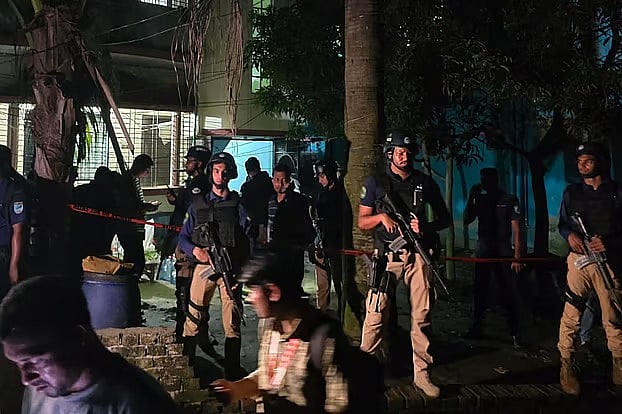
Photo Collected
Law enforcement agencies have uncovered critical operational details regarding a faction of the banned militant organization Neo-JMB, following a series of explosive recoveries in Savar. Investigators revealed that the group utilizes niche digital platforms, specifically the “Protected Text” website for secure communication and the “Element” app for financial transactions, to evade detection.
The breakthrough follows the arrest of Mohammad Arif in the Hemayetpur area of Savar last Tuesday. During interrogation, Arif disclosed the group’s clandestine methods, including their tactical mobility. Members typically travel with backpacks containing explosives, firearms, and bladed weapons, such as knives and machetes, intended for immediate use against law enforcement should they be stopped or searched.
Upon his arrest, police recovered five pipe bombs and three knife-like improvised explosive devices from Arif’s bag, alongside various bomb-making materials. Acting on information provided by the suspect, police raided a three-story building in the South Shyampur area later that night, seizing 11 pipe bombs and a significant cache of explosives. Some of the recovered substances have been sent for chemical analysis to determine their specific composition, as investigators noted some materials appeared atypical.
The following Wednesday, authorities discovered a pressure cooker bomb wrapped in tape inside a plastic drum near a mosque in the Sadhapur area. The bomb was subsequently neutralized by a specialized disposal unit from the Counter Terrorism and Transnational Crime (CTTC) division. A total of six individuals, including Arif, have been named in a case filed under the Anti-Terrorism Act at Savar Police Station. The investigation has since been transferred to the Anti-Terrorism Unit (ATU), and a court has granted a six-day remand for Arif.
Forensic analysis suggests a common signature in recent attacks, including an explosive device found in an umbrella near the Motijheel Metro Rail station and another pressure cooker bomb recovered from a grocery store in Ashulia. These devices reportedly contained Triacetone Triperoxide (TATP), a highly volatile primary explosive sensitive to heat, friction, and physical movement. Investigators believe these technical similarities indicate a centralized organizational link between the incidents.
Officials have identified approximately 10 explosive-related incidents across the country since a major blast at a madrasa in South Keraniganj last February that are suspected to be the work of the same core group. CTTC sources confirmed that the same five individuals are linked to these occurrences: Mamun, known as “Bomaru” Mamun; Sheikh Al Amin; Mohammad Arif; Rakib; and Bappi.
While Sheikh Al Amin and Arif are currently in custody, police are actively pursuing Mamun, who is suspected of leading the cell, and Bappi. Additionally, police have identified a suspect named Rakib in connection with an attack on a police officer at a checkpoint in the Kutubkhali area of Jatrabari on February 21, and efforts to apprehend him are ongoing.
0%
0%
0%
0%