US Secretary of State Marco Rubio Warns Iran Nuclear Capability Threatens Global Energy Security
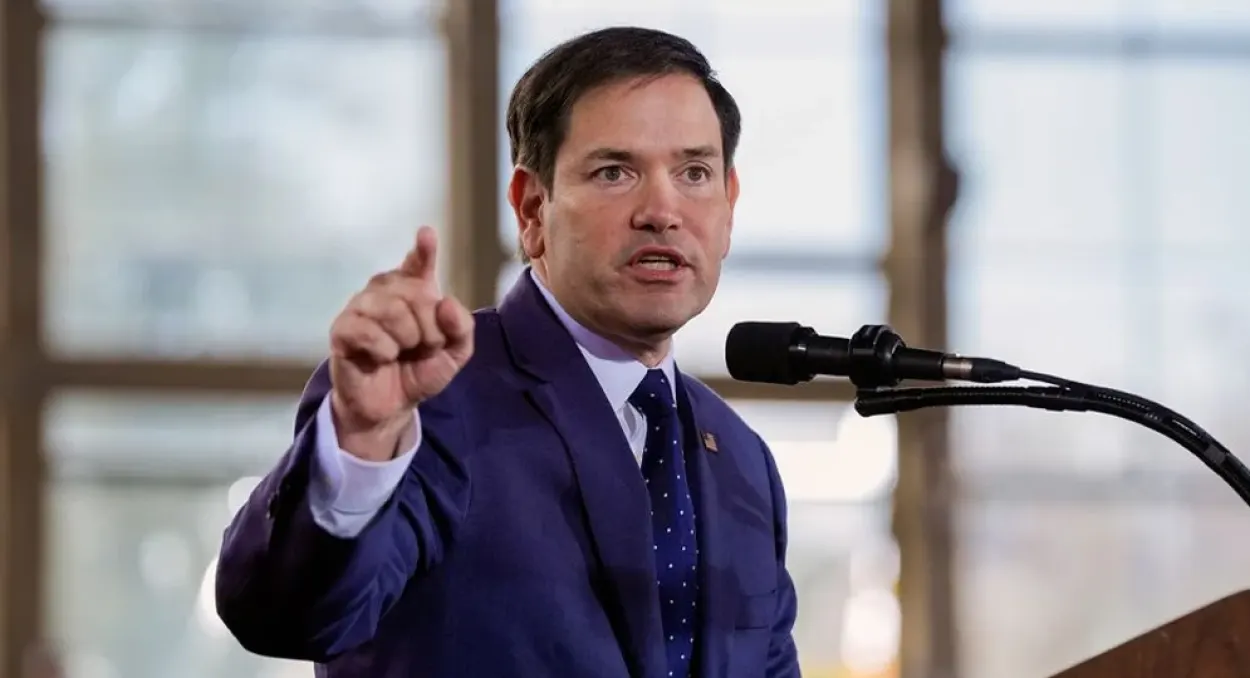
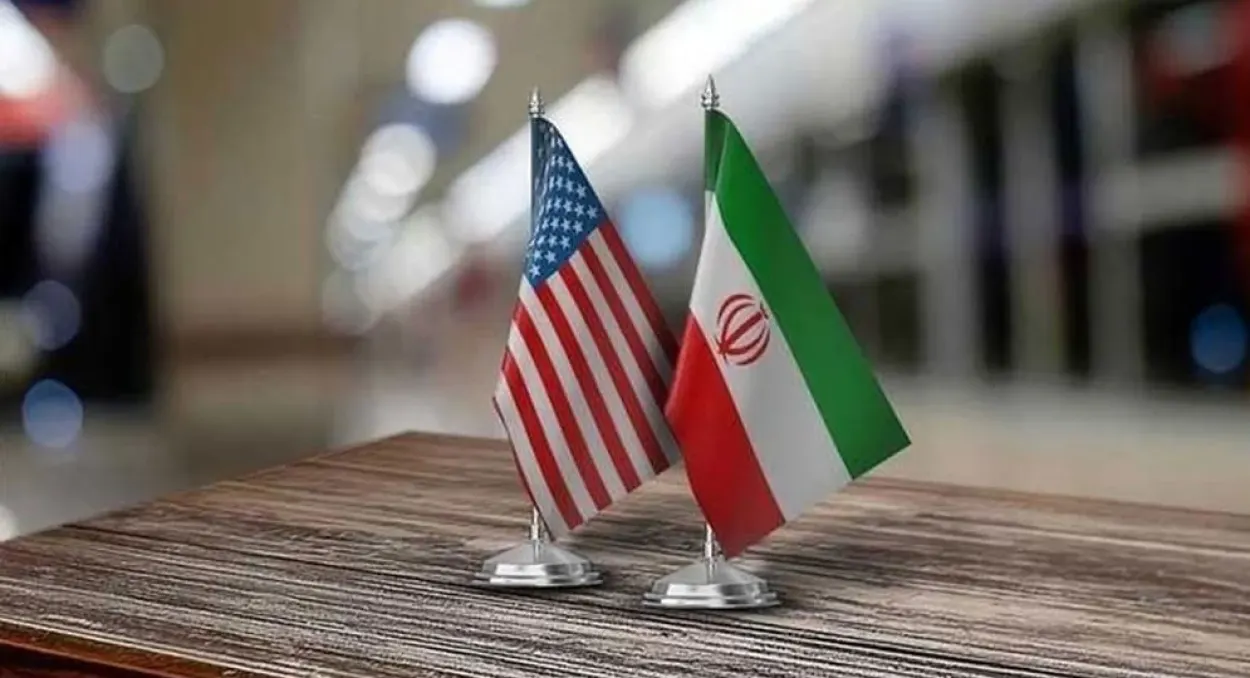
United States Secretary of State Marco Rubio has warned that a nuclear-armed Iran could effectively take the global community hostage by exerting absolute control over vital energy transit routes. Speaking in an interview with the United States media outlet Fox News, Rubio detailed the severe strategic risks associated with Tehran acquiring nuclear capabilities, characterizing the prospect as an unacceptable danger to international security and commerce.
Addressing the current status of maritime logistics, Rubio noted that the Strait of Hormuz remains operational, with oil transportation volumes closely approaching pre-conflict levels, excluding Iranian petroleum. However, the United States Secretary of State emphasized that the geopolitical reality would alter drastically should Iran achieve a nuclear arsenal. Under such a scenario, he cautioned, Tehran could seize control of the Strait of Hormuz, impose arbitrary tolls, and unilaterally dictate which nations secure access to essential energy supplies.
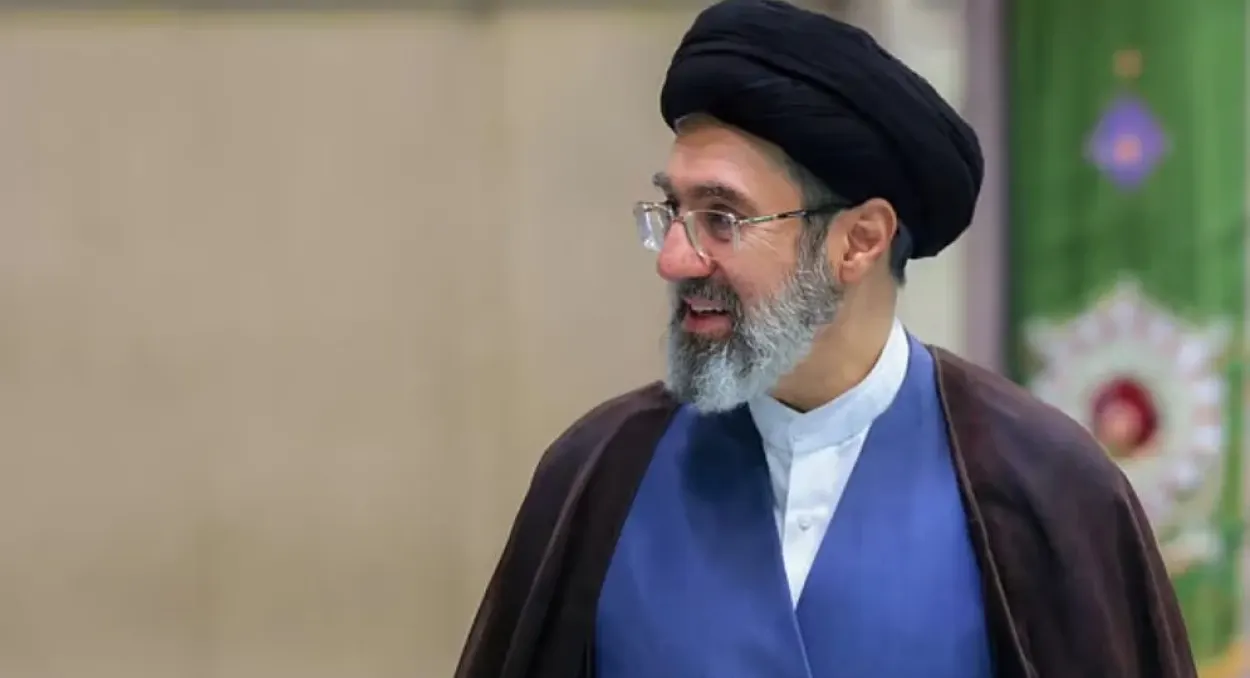
Shifting focus to the domestic governance of the Islamic Republic, Rubio criticized the nation's political structure, asserting that critical decision-making authority rests firmly within the hands of hardline Shia religious leaders who harbor destructive and apocalyptic visions for the future. He alleged that the administration in Tehran routinely diverts funds generated from economic activities and sanctions relief away from domestic welfare, channeling those financial resources instead toward weapons manufacturing and the propagation of its revolutionary ideology.
Furthermore, the United States official accused the Iranian authorities of sustaining regional instability through the systematic financing of militant proxy networks, including Hezbollah, Hamas, and Shia militias in Iraq. Rubio also leveled direct accusations against Tehran regarding state sponsorship of terrorism and involvement in targeted assassination plots, underscoring the broad security challenges posed by the administration in the Middle Eastern nation.