Iran Claims Strategic Victory in Strait of Hormuz Following US Naval Repositioning Amid Regional Tensions
Iran is claiming strategic success following recent attacks by its forces on United States Navy warships and commercial vessels near the critical Strait of Hormuz amid escalating tensions in the Middle East. According to reports from Tehran, these calculated strikes compelled Washington to redeploy its naval fleet further away from the Iranian coastline, a development that follows the reported injury of eight US Marines suffering from smoke inhalation and traumatic brain injuries due to Iranian anti-ship cruise missile impacts.
State media in Iran reported that the US naval deployment shifted backward earlier this month from its previous blockade positions near the entrance of the Gulf of Oman and the vicinity of Chabahar Port. To evade potential missile strikes, the American warships have reportedly retreated deeper into the central region of the Arabian Sea. In a recent statement, Iran's Supreme Leader Mojtaba Khamenei characterized the repositioning of the US Navy as a direct consequence of the heroic and impactful resistance mounted by Iranian forces.
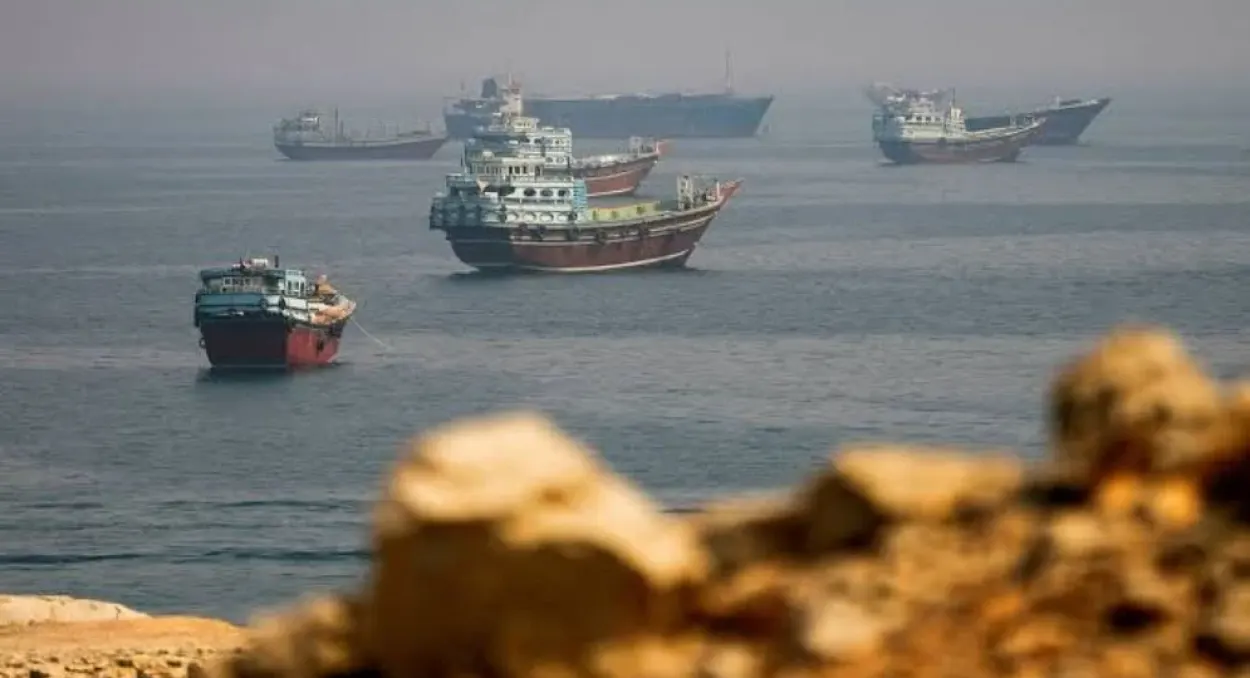
Despite maintaining a rigorous naval blockade on southern Iranian ports and rejecting Tehran's latest proposals regarding the unblocking of the Strait of Hormuz, the US military has managed to facilitate significant fuel transit through the vital waterway over the past several weeks. United States Energy Secretary Chris Wright reported that approximately 13 million barrels of crude oil pass through the corridor daily, while US Treasury Secretary Scott Bessent estimated the volume between 15 million and 22 million barrels, returning close to the pre-conflict benchmark of 20 million barrels per day. Under the protection of US forces, Arab Gulf states have maintained oil transportation utilizing older or lower-value vessels with disabled transponders, operating a shuttle system hugging the coastline of Oman.
Analysts indicate that Iran is likely to sustain its policy of targeted disruptions in the Strait of Hormuz to assert strategic leverage despite the ongoing economic isolation and containment efforts led by the United States. While international intermediaries continue diplomatic outreach to restart negotiations between the opposing parties, and the immediate threat of a full-scale war remains subdued, Tehran's persistent posture threatens to sustain a volatile climate of controlled escalation in the region.