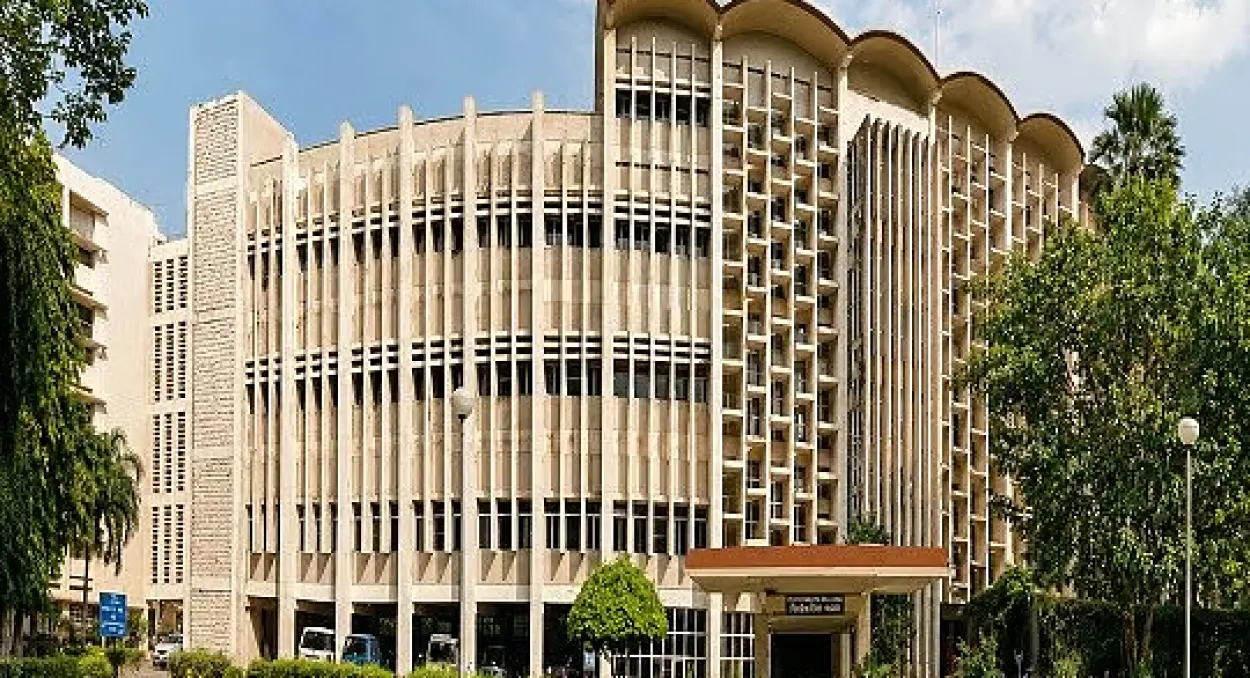
Authorities at the Indian Institute of Technology (IIT) Bombay have drawn criticism and comparison to a famous satirical poem by Nobel laureate Rabindranath Tagore following a student suicide on campus, choosing to replace ceiling fans with wall-mounted fans rather than address systemic issues.
The incident harks back to Tagore's poem Juta Abishkar, where a mythical king, annoyed by dust, orders the earth to be swept and later suggests covering the entire kingdom in leather, before a wise old cobbler simply suggests covering the king's feet with shoes. Critics have likened the IIT Bombay administration's response to this allegory, pointing out that removing ceiling fans fails to address the root causes of student suicides.
The controversy follows the death of 22-year-old Sahil Wakode, a second-year student in the Energy Science and Engineering Department at IIT Bombay and a native of Maharashtra's Yavatmal District. On the preceding Friday, during mid-semester examinations, Wakode was reportedly expelled from the examination hall after allegations of using ChatGPT on his mobile phone. Shortly afterward, his hanging body was recovered from a ceiling fan in his dormitory room. Wall-mounted fans, which are more difficult to use for hanging, are now being installed across the student dormitories.
Wakode's parents have alleged that their son was subjected to intense caste-based discrimination and psychological harassment after being accused of cheating. They claimed he was humiliated using derogatory language regarding his Dalit identity, driving him to take his own life.
The tragedy triggered widespread protests on the campus involving students and political activists. Yielding to pressure from demonstrators, the institute's administration removed Professor Suryanarayana Dulla from his administrative post as the Dean of Administrative Affairs on Monday. However, protesters remain dissatisfied, demanding his full suspension pending an investigation.
Conversely, the IIT Bombay Faculty Forum rallied in support of Professor Dulla, staging a march on campus and calling for a fair, transparent, and impartial inquiry. The Faculty Association of IIT Madras also issued a statement backing Professor Dulla. While expressing condolences to Wakode's family and peers, the association maintained that Professor Dulla acted in accordance with senate-approved academic procedures as the course instructor and invigilator.

Following a complaint lodged by the victim's family, police in India registered a case against Professor Dulla under the Scheduled Castes and the Scheduled Tribes (Prevention of Atrocities) Act, alongside a charge of abetment to suicide under Section 108 of the Bharatiya Nyaya Sanhita.
Student suicides remain a growing concern across educational institutions in India. Recently, during a demonstration by the Cockroach Janata Party at Jantar Mantar in New Delhi, concerns were raised over escalating suicide rates among students, including 23 candidates who died by suicide following the leak and subsequent cancellation of the National Eligibility cum Entrance Test (NEET).
Data compiled by the Global IIT Alumni Support Group reveals that 69 students have died by suicide across various IIT campuses in India over the past five years, with the highest concentration—30 percent—recorded at IIT Kanpur. Academic pressure, career anxiety, social and caste-based discrimination, fear of failure, and isolation are identified as the primary drivers of these tragedies.
National Congress Party (Sharad Pawar faction) leader Anish Gawande criticized the infrastructural changes at IIT Bombay, stating that replacing ceiling fans with wall-mounted units is an absurd approach that fails to solve the crisis. He urged institutions like IIT to prioritize student mental health and institutional reform rather than relying on superficial fixes that do not prevent students from finding alternative means of self-harm.