"As far as IWT is concerned, we have made our position very clear, and that is where it remains. There is absolutely no change," Jaiswal said. The remarks drew a clear line between India's role as host of a regional gathering and the bilateral dispute over river waters, which has remained frozen since last year.
Pakistan's Federal Minister for Climate Change and Environmental Coordination, Musadik Masood Malik, is leading his country's delegation at the first Shanghai Cooperation Organisation Civilisational Dialogue Forum, being held at the historic Purana Qila in New Delhi from November 20 to 22. Prime Minister Narendra Modi inaugurated the three-day event, which is being organised jointly by the Ministry of Culture and the Ministry of External Affairs. Malik arrived in the capital early on Friday and attended the opening session.
The visit carries weight beyond the forum's cultural agenda. It marks the first trip to India by a senior Pakistani minister in more than three years, since then Foreign Minister Bilawal Bhutto Zardari attended an SCO meeting in Goa in May 2023. It is also the first such visit since the military confrontation between the two countries in May 2025, which followed the terror attack in Pahalgam and India's Operation Sindoor. India said invitations for the forum had been sent to all SCO member countries, including Pakistan, on October 28 as part of established practice for multilateral events, and Pakistan announced Malik's participation on November 14.
Speaking to reporters on the sidelines of the forum, Malik said culture could play an important role in improving understanding between the two neighbours, pointing to traditions, lifestyles and shared civilisational links. He also stressed that the gathering was multilateral in character and not a venue for bilateral talks between India and Pakistan. No meeting with Indian leaders was announced, and the forum was not expected to produce any agreement on the treaty.
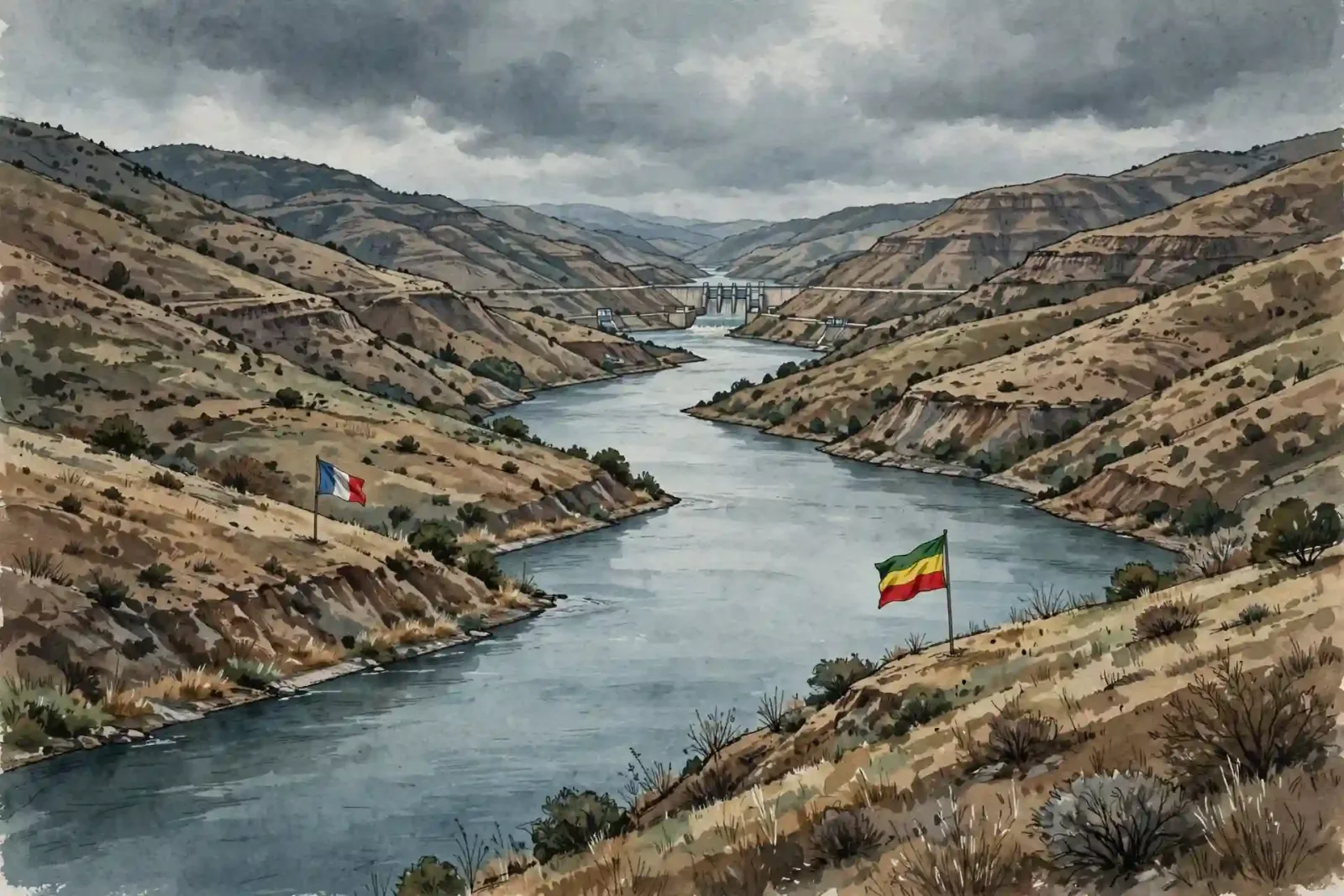
The dispute at the heart of the exchange dates to April 2025, when India placed the 1960 Indus Waters Treaty in abeyance following the terror attack in Pahalgam, Jammu and Kashmir, on April 22, which killed 26 people. New Delhi has maintained that the treaty will remain in abeyance until Pakistan credibly and irrevocably ends its support for cross-border terrorism. The decision was announced as part of a wider set of measures against Pakistan after the attack.
Signed in 1960 with the involvement of the World Bank, the treaty has governed the sharing of the Indus river system for more than six decades. Under its terms, India received rights over the eastern rivers — Ravi, Beas and Sutlej — while Pakistan was allocated the western rivers — Indus, Jhelum and Chenab — subject to specified uses permitted to India. Pakistan has repeatedly criticised India's decision to suspend the agreement, arguing that it cannot be set aside by one side alone, and Malik himself has been among the most vocal Pakistani voices on the issue, warning in June that any attempt to stop Pakistan's share of water would draw a strong response.
The argument has also played out far from Delhi this week. At an informal United Nations Security Council meeting on natural resources and conflict prevention, Pakistan's deputy permanent representative, Ambassador Usman Jadoon, described India's move as an unlawful action and accused New Delhi of weaponising water, saying it endangered the livelihoods of more than 240 million people. Pakistan has pointed to rulings by the Permanent Court of Arbitration in The Hague, which held that the treaty remains in force and that India's unilateral decision did not affect the court's competence to hear the case. India has rejected that authority and repeated that its position is consistent and clear.
India has also carried the same message into climate diplomacy. At the COP31 conference in Antalya, New Delhi argued that sharing transboundary waters cannot rest on what it called archaic mechanisms or be separated from the wider state of bilateral relations, pointing to climatic and demographic change and new technology as reasons the old arrangements need fresh thinking. Pakistan, for its part, has warned against the weaponisation of water and insisted that signed agreements must be honoured.
For now, the Delhi forum will run its course through November 22 without any announced change on the water question. Both governments continue to meet under the SCO umbrella — Pakistan currently chairs the SCO Council of Heads of State for 2026–27 and is due to host next year's summit in Islamabad — but Friday's briefing made plain that attendance at a cultural dialogue and movement on the Indus Waters Treaty remain, in New Delhi's telling, two very different things.