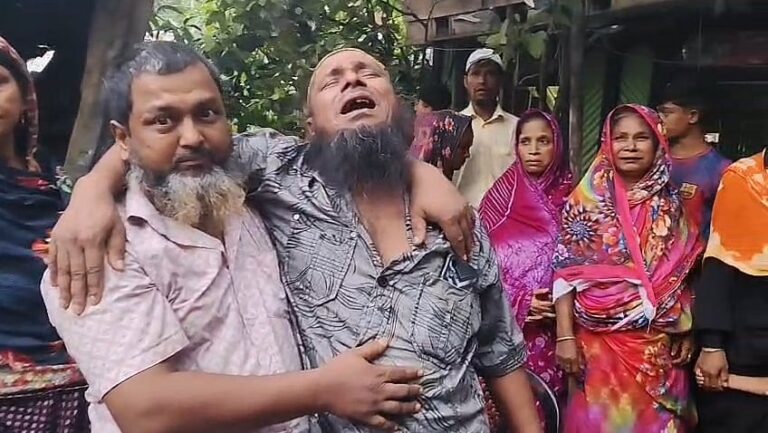
174 Bangladeshi Migrants Return Home After Surviving Detention in Libya
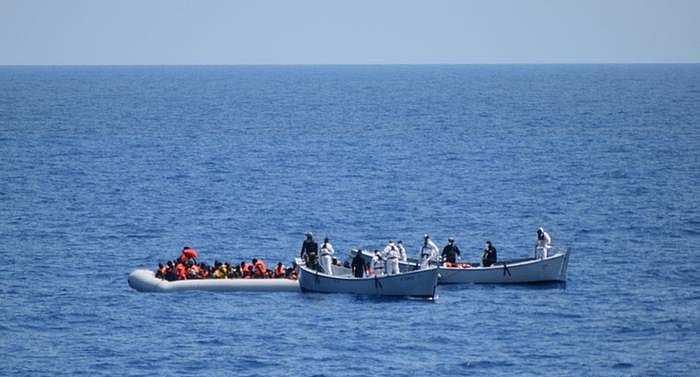
Photo Collected
DHAKA — A group of 174 Bangladeshi nationals returned home on Tuesday from Libya, rescued from the Tajura detention center after enduring months of captivity, torture, and near-starvation. The group arrived at Hazrat Shahjalal International Airport in Dhaka at 10:00 a.m. local time on a special Buraq Air flight, facilitated by the International Organization for Migration (IOM).
Among the returnees, Mashiur Rahman, 38, and Sohel Mia, 36, both from Madaripur district, recounted a harrowing nine-month ordeal that involved human traffickers, perilous sea crossings, and detention. Both men had paid millions of takas to agents, selling family land and incurring high-interest debts in a desperate bid to reach Italy via Libya.
Mashiur, formerly a restaurant owner, traveled through Malaysia, Sri Lanka, Egypt, and eventually Libya. He was detained after his boat was intercepted by Libyan forces shortly after attempting to cross the Mediterranean. He spent 45 days in the Tajura facility, describing conditions as inhumane. “We were 500 people in a space meant for 200. We were beaten daily with pipes by guards. For 45 days, we did not see rice; we survived on dry bread and pasta,” Mashiur said.
Sohel Mia, who had been an auto-rickshaw driver in Bangladesh, faced a similar journey. He spent 39 million takas in stages to reach Italy but was captured by Libyan forces shortly after leaving the coastal city of Al-Khums. He spent 48 days in the same detention center. “There was no joy, even on Eid. I spent the day crying and praying to return home,” Sohel said.
The returnees were met at the airport by the Criminal Investigation Department (CID) of the Bangladesh Police, who took statements regarding the human trafficking networks involved. Both men expressed regret over their decision to pursue the dangerous route, acknowledging that the prospect of earning European wages had blinded them to the reality of the risks.
Despite the trauma, the returnees now face the mounting pressure of the massive debts their families incurred to fund the failed journey. While IOM has provided guidance on potential support and legal recourse against the traffickers, the immediate priority for both men is to return to their families.
The influx of Bangladeshis attempting this route remains a significant concern. Traffickers continue to exploit the desperation of young men by promising a better life in Europe, often leading them into a cycle of exploitation. Mashiur warned others against falling for these schemes, describing the dream of European wealth as a trap that ends in devastation. “My younger brother warned me not to go, but I did not understand it then. Having lost everything, I understand now,” he said.
0%
0%
0%
0%