US and Iranian Officials Engage Mediators to Revive Truce Talks Amid Seven-Month Conflict
United States and Iranian officials held separate discussions with intermediaries on Monday in a renewed diplomatic push to end the devastating seven-month conflict that has killed thousands of people and roiled global energy markets. The ongoing diplomatic engagement centers on a revised version of a seven-day truce proposal initially put forward by Iran last week on the sidelines of the United Nations General Assembly, according to officials briefed on the matter.
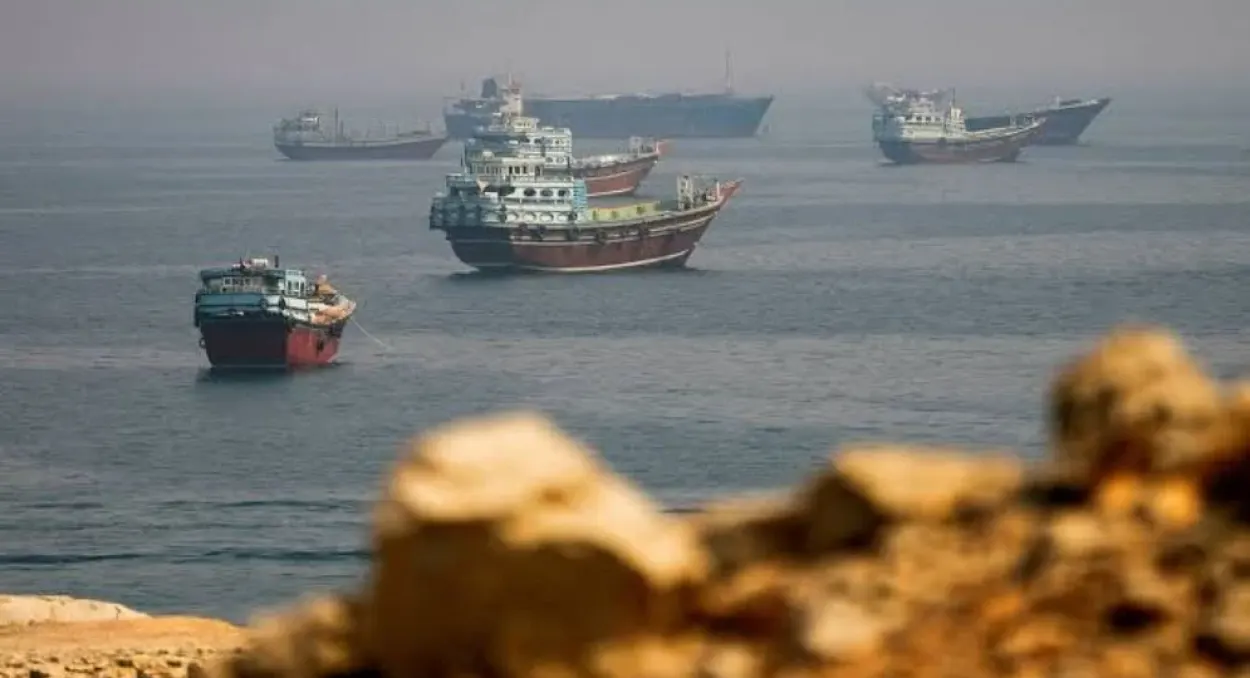
The ongoing hostilities began in late February when the United States and Israel launched military strikes against Iran. The prolonged conflict has severely disrupted oil transportation across vital maritime trade routes, triggering substantial volatility in global markets. Although intermediaries successfully brokered temporary ceasefires in April and June, both agreements collapsed shortly after implementation.
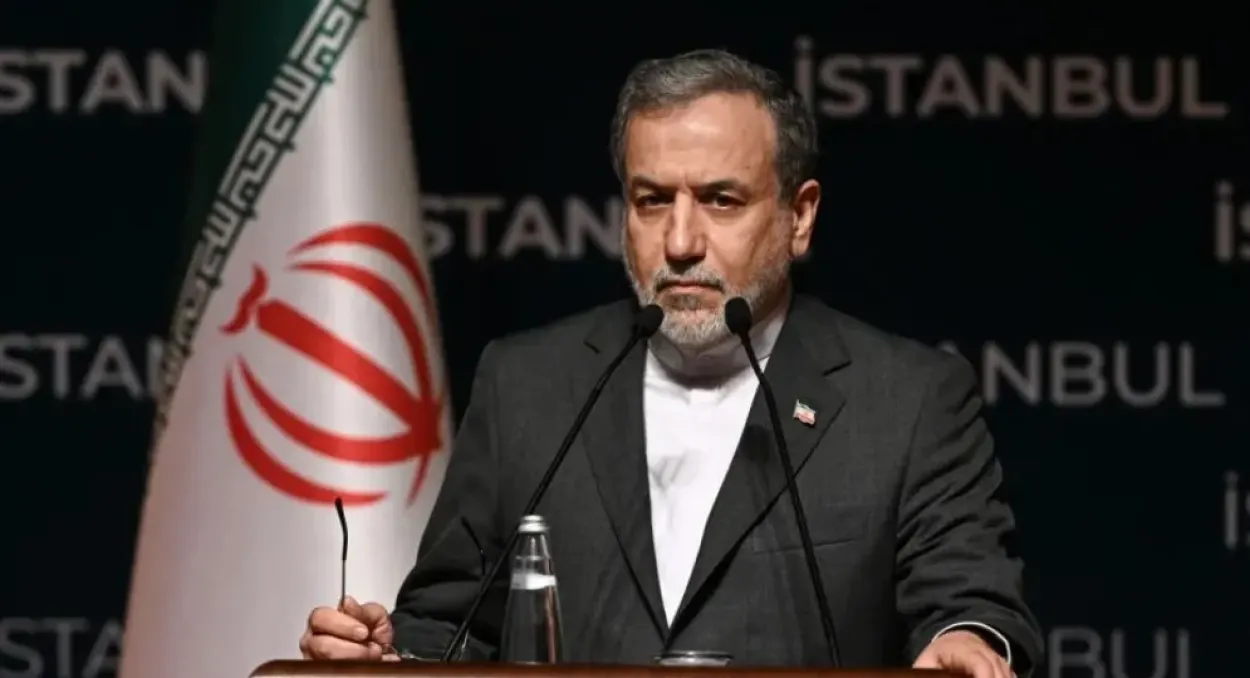
Iranian Foreign Minister Abbas Araghchi, who remains in New York following the UN General Assembly session, stated that Tehran is awaiting an official response from Washington regarding its latest ceasefire proposal, alongside responses concerning conditions for reopening maritime traffic in the Strait of Hormuz, according to Iran's state news agency IRNA. Emphasizing Tehran's stance, Araghchi noted that if the Americans genuinely seek a peaceful resolution, Iran has already presented a viable framework.
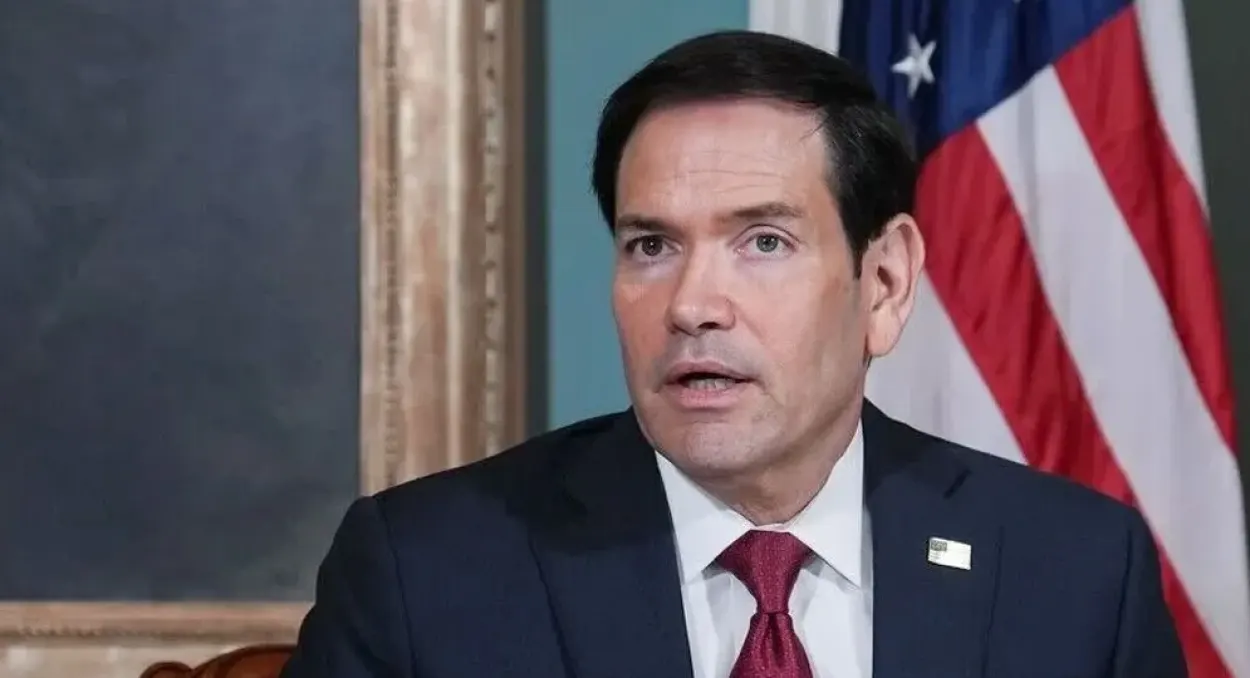
In Washington, United States President Donald Trump confirmed to reporters at the White House on Monday that American officials had engaged with intermediaries, though he did not disclose specific details. President Trump had initially stated on Saturday that he rejected the Iranian proposal, asserting that Tehran was attempting to secure a swift agreement due to severe economic pressures. However, he subsequently indicated to Axios on Sunday that American negotiators would hold further discussions with Iranian representatives during the week.
The revised Iranian proposal outlines a cessation of all hostilities in both Iran and Lebanon, the release of billions of dollars in frozen Iranian assets, the lifting of sanctions on Iranian oil, and the removal of United States blockades on Iranian ports. In exchange, Tehran would permit the resumption of vessel movement through the Strait of Hormuz and resume negotiations regarding its nuclear program, which includes the potential seizure or destruction of highly enriched uranium—a key demand of the United States administration.
Responding to earlier remarks from Washington, Araghchi maintained that intermediaries have not formally communicated any rejection from the United States, leaving Tehran awaiting a definitive stance before determining its next course of action. Reaffirming that the reopening of the Strait of Hormuz is strictly contingent upon the fulfillment of Iranian conditions, Araghchi underscored that a resolution to the diplomatic impasse remains achievable solely through continued dialogue.