
Endangered Ganges River Dolphin Carcass Dissected and Eaten by Villagers in Kishoreganj
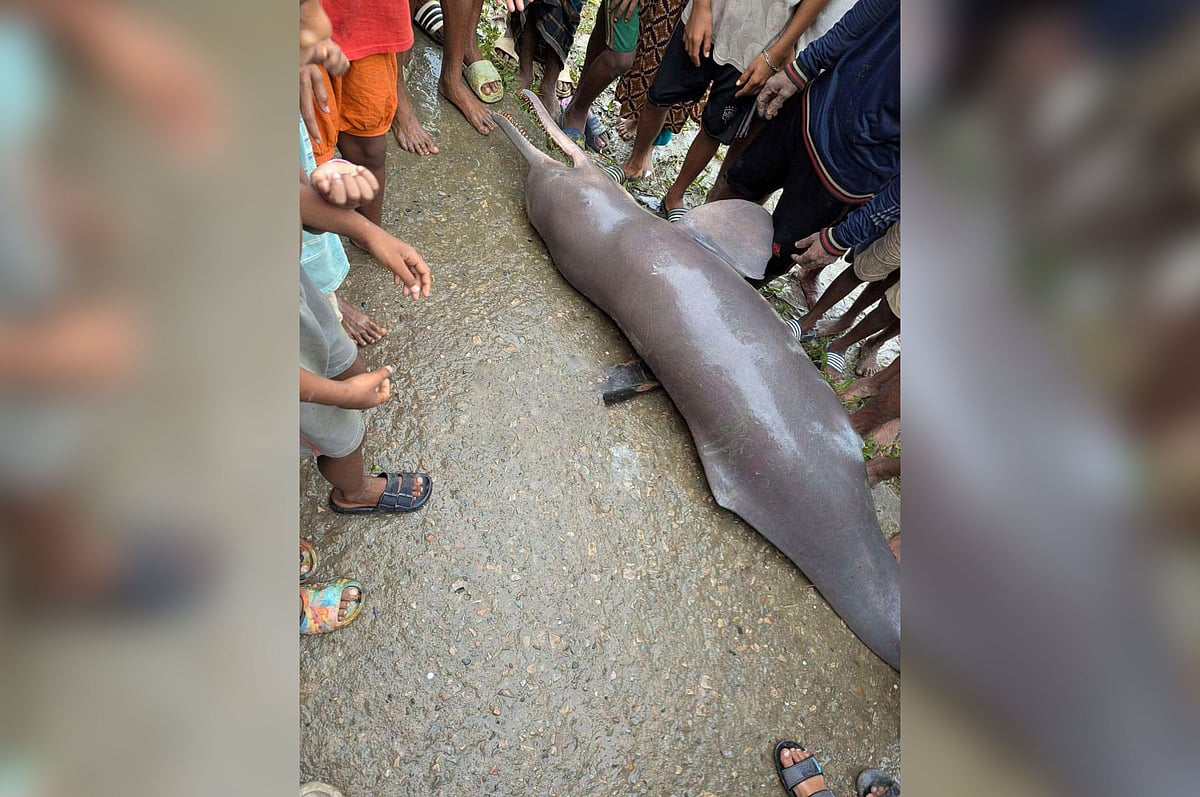
Photo Collected
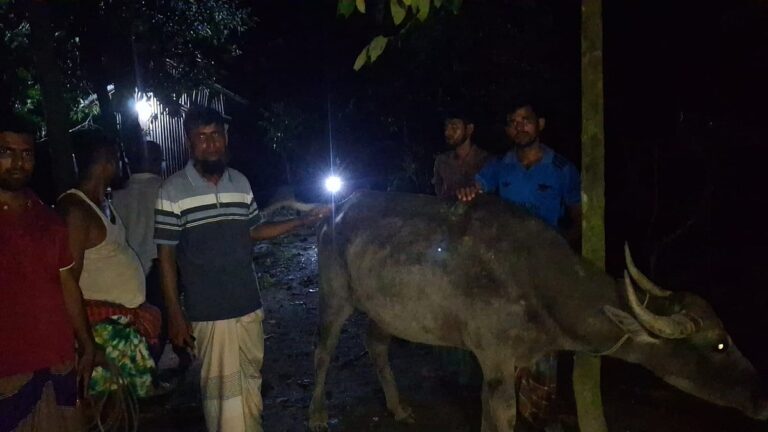
Residents in the Ashtagram area of Kishoreganj butchered and distributed the carcass of an endangered Ganges river dolphin on Friday, unaware of the animal’s protected status. Local fishermen recovered the deceased mammal from a haor near the Ikurdia ghat and proceeded to slaughter it, with approximately 100 people reportedly receiving portions of the meat.
The incident occurred on Friday morning after fishermen from Rangpurhati village discovered the carcass while returning from a nearby market. Initially mistaking the creature for a large fish, the group hauled the animal to shore using ropes. Within hours, the carcass—weighing roughly 100 kilograms—was butchered and distributed among the local population. Some residents confirmed they had already cooked and consumed the meat by the afternoon.
Wildlife researcher Shimanto Dipu, after reviewing photographs of the animal, identified it as a Ganges river dolphin, scientifically known as Platanista gangetica. Experts note that this species is critically endangered and is primarily found in Bangladesh, with populations currently surviving in only 14 of the nation’s rivers.
Fishermen involved in the recovery stated they had no knowledge of the animal’s identity or the legal requirements for reporting such findings. Noab Miah, one of the fishermen, noted that he had been working in the region for 23 years and had never encountered such a creature, leading the group to decide among themselves to process it for consumption.
District Fisheries Officer Mohammad Shahidul Islam stated that while the animal appears to be a Ganges river dolphin, the act of butchering it has made a formal post-mortem examination impossible. He noted that the mammal, which is a protected aquatic species, may have died due to pollution or vessel strikes before drifting into the haor, though fishermen reported no visible external injuries.
Regarding the consumption of the meat, Shahidul Islam noted that while the species is eaten in some parts of the world, it is not a common food source in Bangladesh. He advised that those who consumed the meat must now be monitored for potential health risks, as there are no established protocols for processing the mammal for food in the country.
0%
0%
0%
0%