
Eight years in prison despite acquittal, why not five crore rupees compensation to Ibrahim
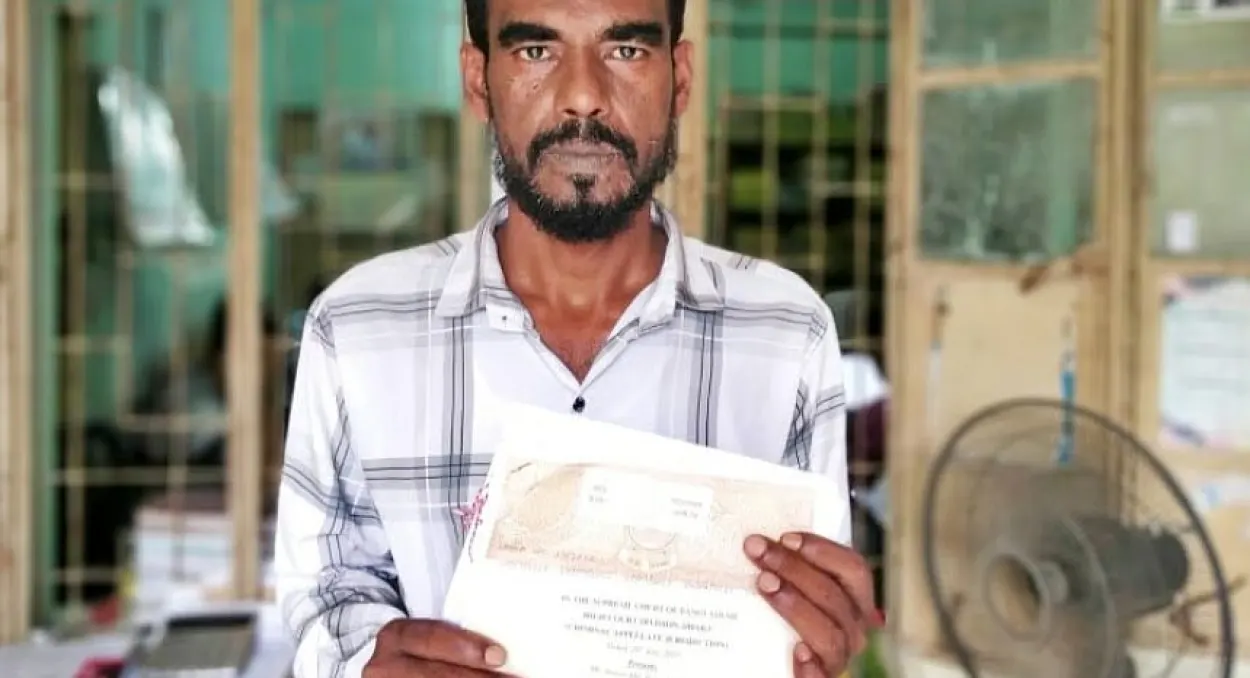
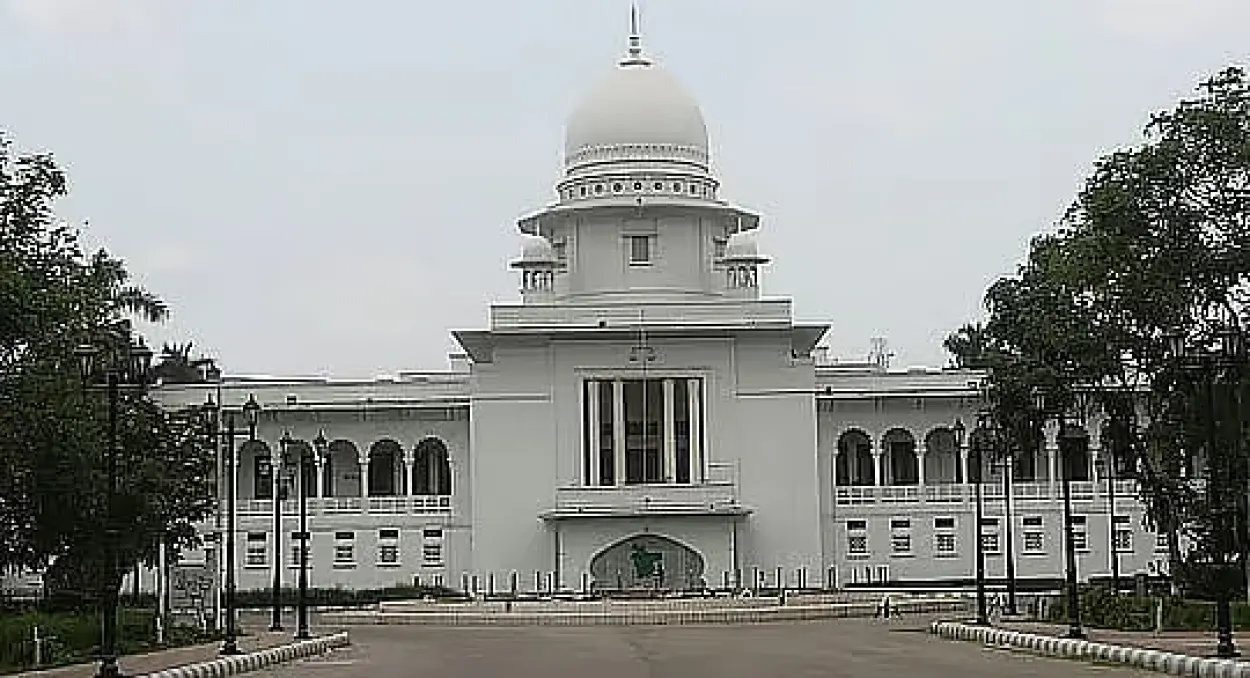
The High Court has issued a rule asking why authorities should not be directed to pay five crore Taka in compensation to Ibrahim Ali Sheikh, who remained imprisoned for nearly eight years despite securing acquittal orders in court. The bench comprising Justice Bhishmadev Chakrabortty and Justice Sheikh Tahsin Ali delivered the ruling following the initial hearing of a writ petition filed on behalf of Bangladesh Jatiya Hindu Mahajot.
The legal action stems from a media report published in July highlighting the plight of Ibrahim Sheikh, a former night guard from Batiaghata Upazila in Khulna district. According to court details, Ibrahim was arrested by police in 2003 while returning home after completing his night shift and subsequently faced charges including murder. Lacking financial resources to appoint legal counsel, he was initially handed the death penalty by a trial court in the murder case and a life sentence in a separate criminal case.
However, the High Court acquitted him of the murder charges on July 20, 2017, citing a lack of sufficient evidence and witnesses, and also cleared him of the life imprisonment charge in the parallel case. Despite these favorable rulings, the administrative transmission of the acquittal orders faced severe delays, and the documents reached prison authorities years later. Consequently, Ibrahim endured prolonged incarceration and was only released from custody on February 6, 2025.
Filing the writ petition last week, Supreme Court lawyer Gobinda Chandra Pramanik sought a formal judicial investigation into the systemic negligence responsible for the monumental delay in delivering the acquittal documents to the prison authorities. During the court proceedings, lawyer Hasan Shahid Kamruzzaman argued that the unwarranted eight-year detention following his legal exoneration constituted a severe violation of Ibrahim's fundamental rights and personal liberty, irreversibly devastating his life.
The petitioner noted that the prolonged imprisonment severely shattered Ibrahim physically and mentally, while his wife ultimately left him during his incarceration. Alongside the financial compensation demand, the writ petition urges comprehensive directives to ensure proper rehabilitation, secure housing, and necessary medical treatment for the victim to address the profound miscarriage of justice he suffered.