



Silent Agony: Thousands of Bangladeshi Women Struggle with Preventable Obstetric Fistula
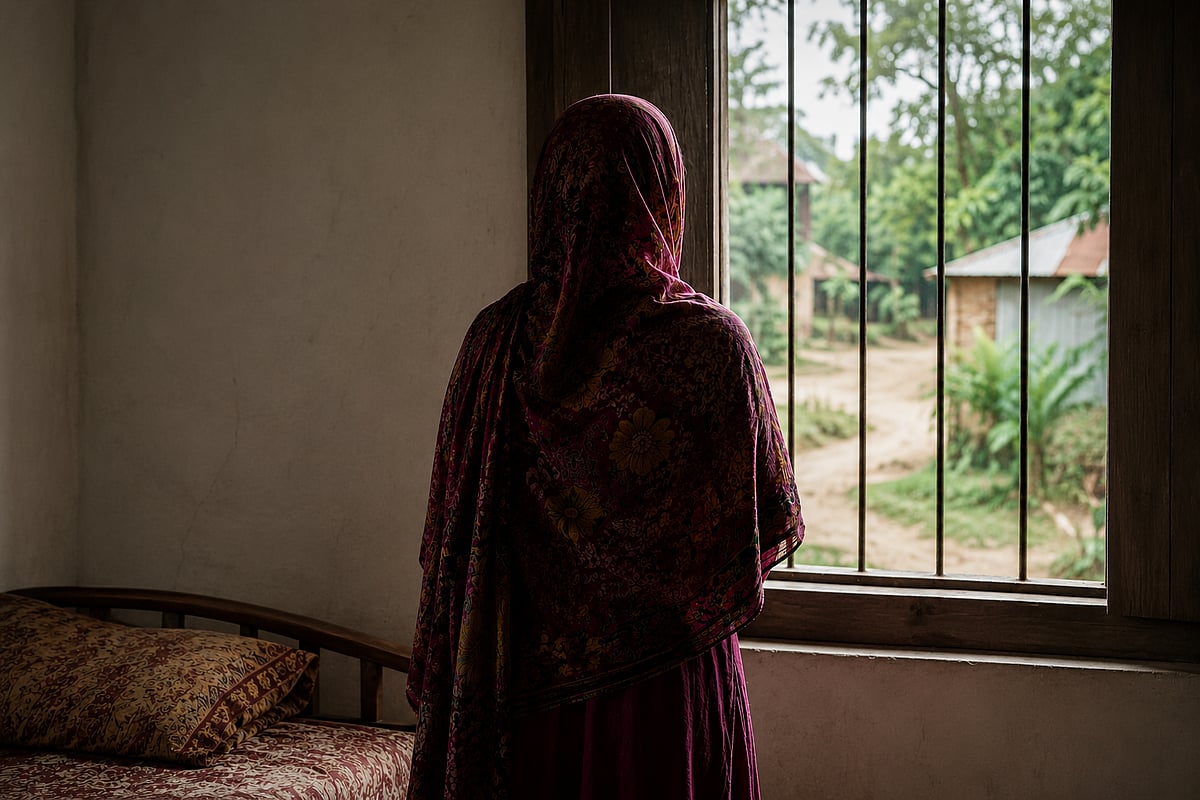
Photo Collected
At the National Fistula Center within Dhaka Medical College Hospital, 60-year-old Morjina Begum stands by her bed, hesitant to sit. After two decades of living with obstetric fistula—a condition that causes constant, involuntary urine leakage—she has learned to avoid sitting in public to prevent dampening her clothes. Her ordeal began during a traumatic home birth that claimed the life of her first child and stripped her of her dignity and social standing.
Morjina’s story is a harrowing reflection of the silent crisis facing thousands of women across Bangladesh. Obstetric fistula occurs when a prolonged, obstructed labor results in the death of the fetus and permanent damage to the mother’s soft tissue. The constant pressure from a trapped fetal head cuts off blood supply, causing tissue necrosis that creates an abnormal hole between the birth canal and the bladder or rectum. The result is a life of chronic incontinence, social isolation, and, for many, abandonment by families.
বিজ্ঞাপন
According to global research conducted by the Johns Hopkins Bloomberg School of Public Health and the United Nations Population Fund (UNFPA), approximately 35 in every 100,000 women aged 15 to 64 in Bangladesh are living with obstetric fistula, totaling over 20,000 cases. Despite these figures, many women suffer in silence for decades, often masking the condition out of profound shame.
Dr. Bilkis Begum Chowdhury, a fistula surgeon at Kumudini Women’s Medical College, notes that while the condition is entirely preventable through access to safe, professional obstetric care, the prevalence of home births remains a critical barrier. Data from the Bangladesh Bureau of Statistics (BBS) shows that approximately 33 percent of births in the country still occur at home, often managed by unskilled traditional birth attendants. Furthermore, the crisis is deeply intertwined with the prevalence of child marriage; national records indicate that roughly 85 percent of patients treated for fistula between 2019 and 2024 were victims of child marriage.
বিজ্ঞাপন
The physical and psychological toll is devastating. Professor Muna Salima Jahan, head of the National Fistula Center, highlights that patients often endure secondary infections, constant discomfort, and the emotional trauma of losing their newborns, compounded by the stigma of living with the smell of waste. For many, the condition is a “hidden” emergency, often only coming to light when health workers proactively seek out women in remote villages.
To combat this, the government, supported by international partners like UNFPA, has established 35 dedicated “fistula corners” across district hospitals to expedite the referral of patients to advanced surgical centers. These efforts are part of a broader national strategy aiming to eradicate obstetric fistula in Bangladesh by 2030. Recent statistics reflect the efficacy of these interventions: between 2019 and 2024, more than 3,000 surgeries were performed with a success rate exceeding 92 percent.
Recovery, however, extends beyond surgery. Survivors like Julekha Begum, who regained her health after years of suffering, have become advocates in their own communities. Along with others who have undergone successful rehabilitation, they are now actively discouraging neighbors and relatives from opting for home births. This grassroots awareness, coupled with the systematic effort to train midwives and ensure 24-hour emergency obstetric care, is beginning to change the narrative. As survivors share their stories of recovery, they are helping to strip away the stigma that has kept this preventable tragedy in the shadows for far too long.
0%
0%
0%
0%