Political Infighting and Extortion Plague Chattogram Following Shift in Power
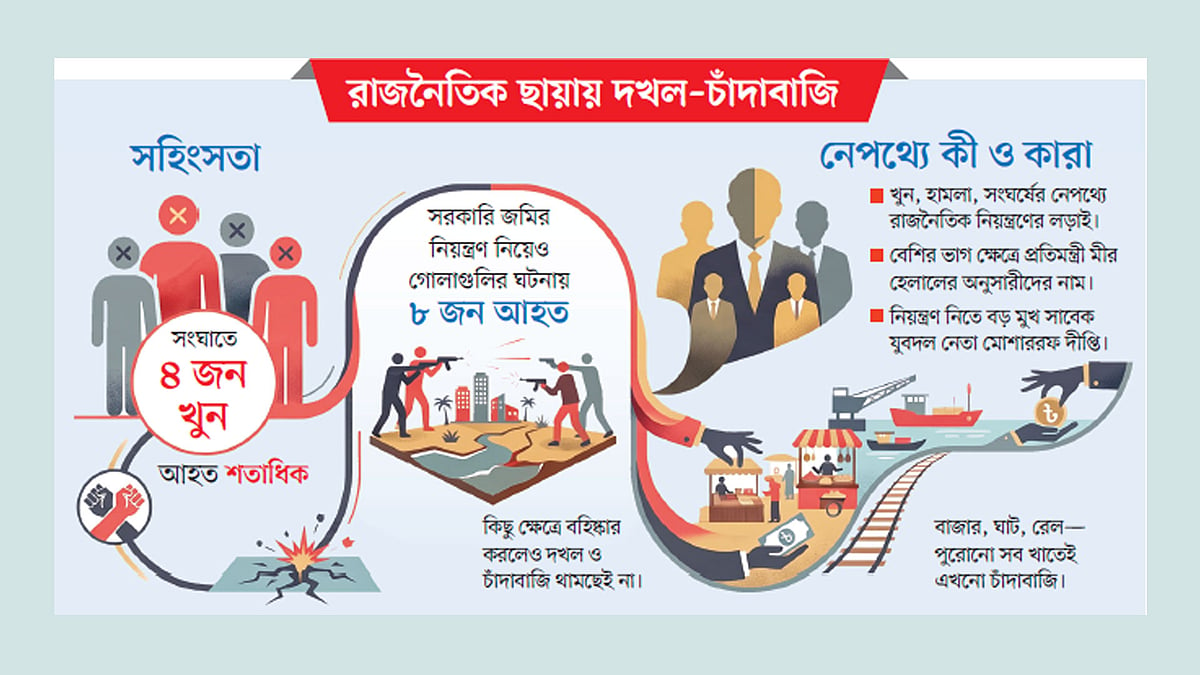
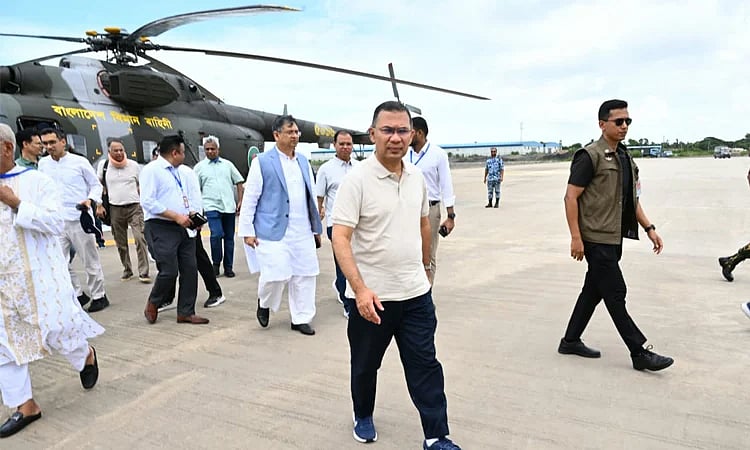
Photo Collected
A wave of political violence, extortion, and illegal land grabbing has engulfed Chittagong since the August 2024 political transition, with factions linked to the Bangladesh Nationalist Party (BNP) and its associate organizations vying for control over lucrative income sources. An investigation reveals that over the past two years, more than 50 separate incidents of clashes, shootings, and vandalism have occurred across the city, resulting in four deaths and over 100 injuries.
The violence is largely driven by competition to control informal revenue streams, including land grabbing, extortion, public markets, construction contracts, and ferry terminals. While these sectors were previously controlled by individuals affiliated with the now-ousted Awami League, they have since been seized by local figures often operating under the banner of the BNP, Jubo Dal, or Chhatra Dal.
Key incidents highlight the volatility of this struggle. In September 2024, Jubo Dal activist Zubayer Uddin was killed during a clash over the control of a sports turf in Chandgaon. Similarly, in March 2025, Jubo Dal worker Jihadur Rahman was shot dead at GEC intersection, a case in which two local Chhatra Dal leaders have been named as suspects. Another fatality occurred in October 2025, when Chhatra Dal worker Sajjad was killed in the Bakalia area during a confrontation regarding the removal of political banners.
The investigation identifies a pattern where political influence is used to institutionalize extortion. At the Saltgola ferry terminal, for instance, local Jubo Dal and Chhatra Dal leaders have allegedly bypassed official leasing processes to collect daily fees from passengers, allegedly with the knowledge of city corporation officials. In the Khulshi area, a plot of land valued at 30 million taka remains occupied by individuals reportedly linked to a Swechchhasebak Dal leader, despite police reports confirming the land belongs to a private citizen.
Contractors working on railway projects also report systemic intimidation. Multiple sources indicate that bids for railway tenders are effectively controlled by a narrow group of political associates, with contractors facing physical assault or threats if they attempt to participate independently.
Chittagong Metropolitan Police Commissioner Hasan Md. Showkat Ali stated that the authorities are committed to legal action regardless of the political identities of the suspects. “There is no immunity for criminals, regardless of their affiliation. We are registering cases and making arrests,” he said.
However, critics and victims suggest that internal disciplinary actions—such as expulsion from party committees—are insufficient to deter widespread criminal activity. Political analysts observe that the shift in power has not dismantled the culture of “mafia-style” control over public resources but has instead redirected it.
Local political dynamics are increasingly centered around influential figures within the current administration. Reports suggest that the growing influence of certain leaders has allowed individuals with criminal records to integrate into the party apparatus, complicating efforts to restore order.
Akhtar Kabir Chowdhury, president of the Chittagong chapter of the civil society group SHUJAN, warned that the current situation represents a transition from one form of authoritarian control to another. “The control of markets, terminals, and land has simply shifted to a new set of faces. If the government fails to check these organized extortion rackets, the citizens of Chittagong will find no relief,” he noted.
0%
0%
0%
0%