



Organized poaching rings drive Pangasius stocks to brink of collapse in southern Bangladesh rivers
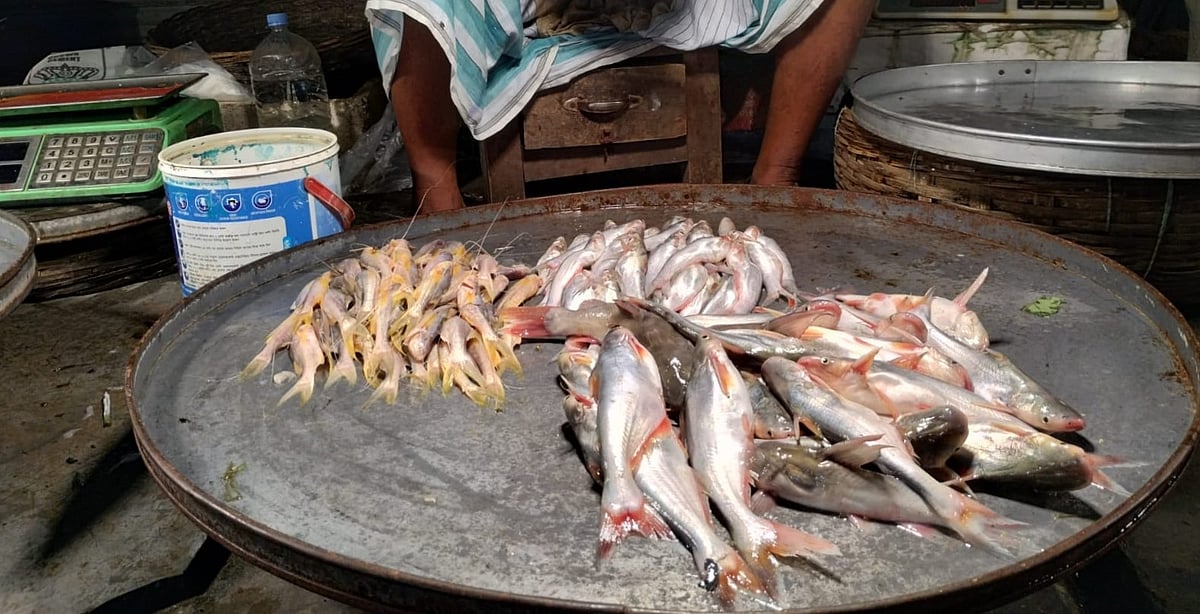
Photo Collected
A sophisticated criminal network is systematically decimating the natural population of pangas catfish in southern Bangladesh, utilizing large-scale bamboo traps to harvest thousands of juvenile fish from the country’s primary breeding grounds. These traps, known as *chai*, are deployed at depths of up to 50 feet in rivers such as the Meghna, Bishkhali, Baleshwar, and Payra, effectively evading routine administrative patrols and threatening the future of the species.
According to research and local accounts, these operations are carried out by syndicates involving fishermen, wholesalers, and influential local figures who coordinate their activities using real-time geolocation technology. Each trap, which measures large enough for several people to enter, is baited with a potent mixture of fish oil, molasses, rice bran, and dry fish to lure the juvenile pangas. These traps are typically submerged after sunset and retrieved six hours later. While authorities have periodically seized and destroyed some equipment, the perpetrators remain largely unidentified and unpunished, allowing the illegal trade to flourish.
The harvested juveniles, measuring between three to seven inches, are laundered into local markets and sold under the guise of “river tengra,” a distinct and more expensive catfish species. Despite clear physiological differences, the illicit trade has become so normalized that many vendors claim they are unaware they are selling undersized pangas. In urban centers like Barisal, these juvenile fish command prices as high as 500 to 700 taka per kilogram.
Fisheries officials warn that this practice is devastating the natural lifecycle of the pangas, which typically spawn between May and September. Data collected by the EcoFish Bangladesh project, led by researchers at Sher-e-Bangla Agricultural University, indicates the scale of the crisis is immense. Past studies estimated that a small cohort of 20 fishermen using these traps could cull up to two million juvenile fish in a single season. Experts now fear that if the current rate of extraction continues, it will reverse the progress made in fish stock management since 2014, potentially driving the river-born pangas population back to the brink of collapse.
While the Coast Guard and the Department of Fisheries have conducted periodic raids—including recent operations in Pathargata and Taltali—officials acknowledge that the clandestine nature of the traps, which are often hidden deep underwater, makes consistent enforcement difficult. Senior officials in the Barisal Divisional Fisheries Department have issued directives for increased vigilance, yet the continued proliferation of these traps across rivers like the Tentulia and Arial Khan underscores the challenges authorities face in dismantling this organized environmental threat.
0%
0%
0%
0%