
Nostalgic Return to Childhood Home Reveals Timeless Echoes of the Past
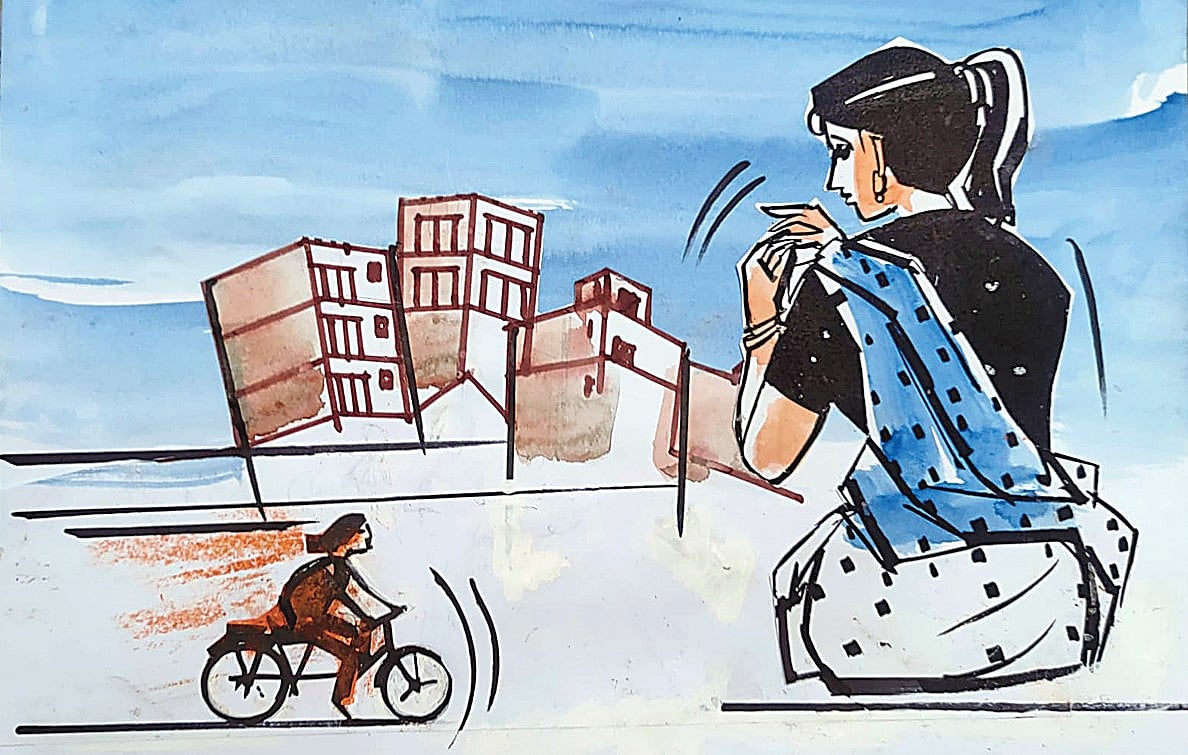
Photo Collected
For many who grew up in the bustling, media-saturated environment of Dhaka, the memories of childhood are often defined by the familiar glow of television screens and the ubiquitous influence of pop culture. Yet, for some, the formative years were shaped by a vastly different reality—a landscape of expansive, quiet spaces and simple, tactile discoveries far removed from the urban sprawl. This stark divide in upbringing often creates a lingering sense of estrangement, a feeling that one’s internal compass is calibrated to a frequency that others, rooted in different childhoods, simply cannot hear.
For those raised in places like the Bhola police quarters, childhood was not defined by cartoons or cinematic trends, but by the geography of a vast, government-enforced compound. It was a world of perimeter walls, a central pond, and a mosque, where the primary objective was to master the bicycle across gravel paths until the machines eventually surrendered to the wear and tear of exploration. In the suffocating stillness of mid-afternoon, children ventured into thickets and forests, returning home with sun-burnt faces, only to emerge again in the late afternoon to gather for communal games that lasted until the evening call to prayer.
বিজ্ঞাপন
These quarters offered a unique, sprawling sanctuary where electricity was an unreliable commodity, often prompting neighbors to spill out into the open air for hours on end. The seasons transformed the environment entirely; the monsoon turned the local field into a lush wetland where water lilies bloomed and yellow-tinged water teemed with life. Back then, life was simpler and furnishings were sparse, leaving rooms cavernous and open. Mothers would coax their children to eat while pointing out the passing trawlers on the nearby canal or the mongooses darting through the underbrush—scenes that served as the backdrop for a quiet, foundational existence.
The transition to Dhaka in 2003 marked a sudden shift into the rigid, four-walled confinement of urban life. Amid the intense academic pressures and the dense concrete infrastructure of the capital, the memory of the Bhola quarters became a persistent, nostalgic anchor. The wonder of whether those spaces had survived the march of modernization eventually became an obsession, leading to a recent, solitary pilgrimage back to the site after 23 years.
বিজ্ঞাপন
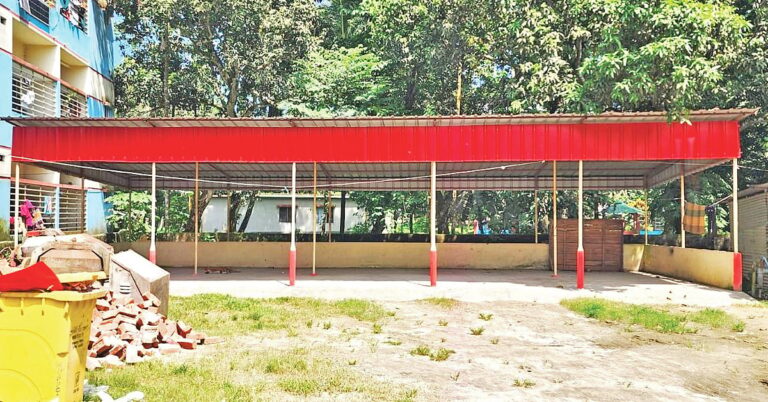
Stepping off the rickshaw at the gates of the Bhola police officers’ quarters, the physical environment offered a surprising defiance of time. While the canal had narrowed and the iconic jujube tree had vanished, the essential architecture remained largely intact. The yellow buildings stood as silent witnesses to a long-faded past, and the sense of recognition was overwhelming. Climbing the familiar stairs to the rooftop where childhood photographs were once captured, the contrast between the vibrant memories and the quiet, partially abandoned reality of the present underscored a bittersweet realization: while the world had moved on, the essence of that formative home remained etched into the landscape, preserved in the silence of the structures that once housed a generation of play.
0%
0%
0%
0%