
New Website Tracks Bribery Claims in Bangladesh Public Services with Over 136 Million Taka Reported in Two Days

Photo Collected
A newly launched platform, Ghush.site, has recorded 804 reports of attempted bribery totaling 136.5 million BDT within its first two days of operation. Launched on August 21, the website allows citizens to anonymously document demands for illicit payments encountered while accessing government services.
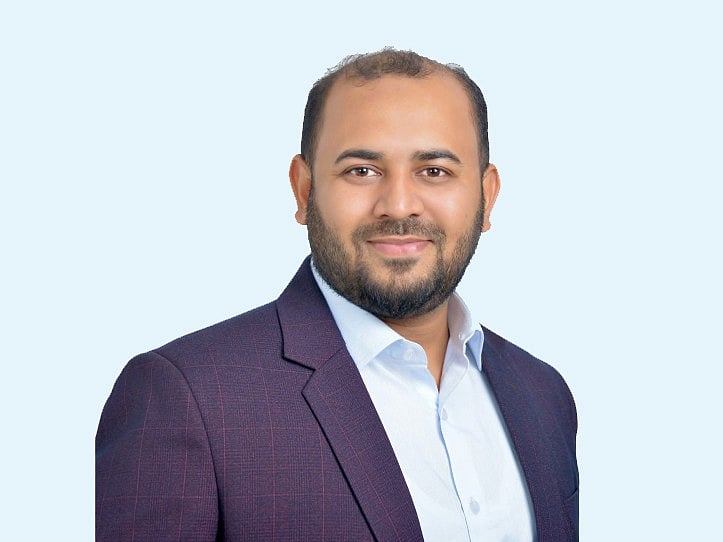
Founders Saif Kabir and Shahed Sharif developed the platform, drawing inspiration from similar international projects. The initiative aims to consolidate fragmented reports of corruption to provide a comprehensive overview of bribery trends across various government offices and services.
To submit a report, users provide the department name, type of service, geographic location, the amount requested, and the outcome of the interaction, along with a brief description. The process requires no account registration and takes less than two minutes. To protect identities, the site prohibits the inclusion of specific names, job titles, or phone numbers.
According to the founders, the primary objective is to identify systemic issues within specific departments rather than targeting individuals. All submissions undergo a moderation process to remove personal identifying information and filter out aggressive, vague, or non-compliant content before being published.
Data from the first 48 hours show that Dhaka reported the highest number of incidents with 430 complaints. This was followed by 167 in Chattogram, 44 in Rajshahi, 43 in Khulna, 38 in Sylhet, 37 in Rangpur, 30 in Mymensingh, and 15 in Barishal. Notably, 18 percent of the complainants stated that they refused to pay the requested bribes.
The platform explicitly clarifies that it does not verify individual reports, labeling each entry as “unverified.” The creators emphasized that Ghush.site does not act as an investigative body or an alternative to the Anti-Corruption Commission. Instead, the site serves as an open record of public experiences to foster greater transparency.
The initiative currently operates on self-funding and maintains no formal affiliation with any non-governmental organizations or external institutions. While the site accepts voluntary donations, it remains an independent project.
Saif Kabir stated that the project’s success is not measured by traffic, but by its utility to citizens. He noted that by reviewing others’ experiences, individuals may feel empowered to identify, anticipate, and reject unfair demands for bribes when interacting with public institutions.
0%
0%
0%
0%