

International Crimes Tribunal Faces Security Challenges After LGED Reclaims Official Vehicles
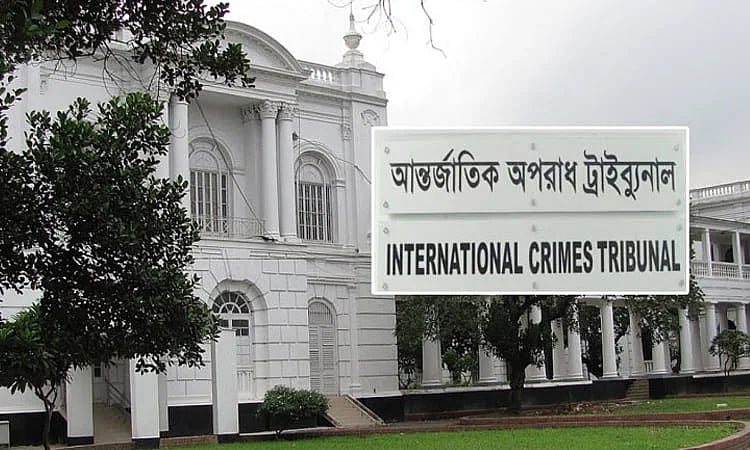
Photo Collected
The Local Government Engineering Department (LGED) has reclaimed six jeep vehicles previously assigned to the International Crimes Tribunal (ICT), creating significant logistical and security concerns for prosecutors tasked with handling high-profile human rights cases. The withdrawal, which took place in June, has left the prosecution team grappling with critical transportation shortages, forcing legal officials to navigate security risks while performing their duties.
The dispute emerged when LGED Chief Engineer Md. Belal Hossain requested the return of the vehicles on June 4, citing internal transport shortages and restrictive government procurement policies that have prevented the agency from purchasing new vehicles since 2019. Despite an urgent appeal from Chief Prosecutor Md. Aminul Islam, the LGED finalized the withdrawal of the vehicles just three days later.
বিজ্ঞাপন
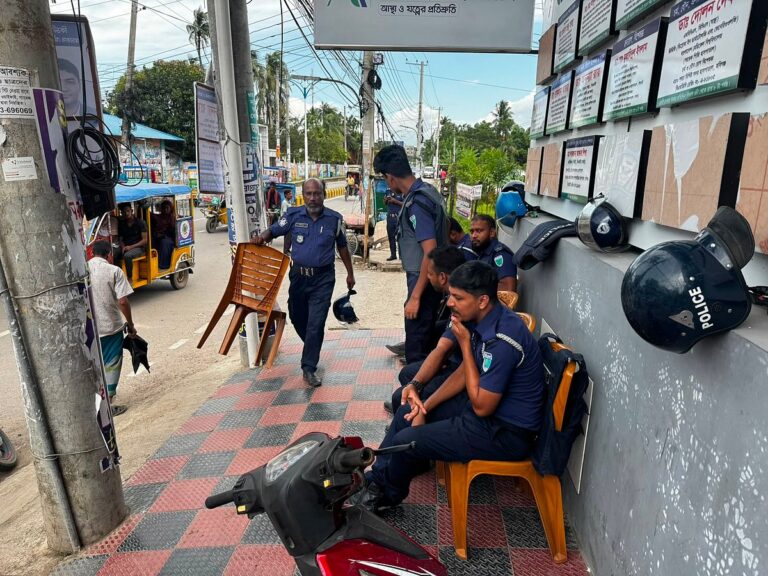
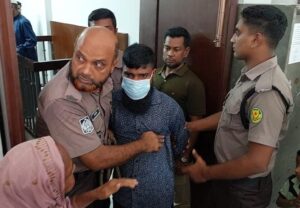
In his correspondence to the LGED, the Chief Prosecutor emphasized the uniquely sensitive nature of the Tribunal’s work, which currently includes proceedings related to the July uprising. He argued that the vehicles were essential for the security of prosecutors, who are frequently targets of intimidation and require police-escorted travel to conduct investigations across the country. The Chief Prosecutor warned that the lack of adequate transport could impede legal proceedings, potentially raising concerns both domestically and internationally regarding the momentum of the ongoing trials.
Beyond simply requesting the retention of the original six vehicles, the Chief Prosecutor had urged the LGED to provide an additional six to meet the Tribunal’s operational needs. However, in a letter dated June 16, the LGED reaffirmed its inability to accommodate the request, pointing to the agency’s own development mandate and a severe shortage of functional vehicles within its ranks.
বিজ্ঞাপন
While the ICT Act remains silent on the specific provision of vehicles for prosecutors, the office notes that many of its 20 prosecutors operate in a security-sensitive environment that necessitates specialized travel arrangements. Under current government mandates, the Chief Prosecutor and two prosecutors holding the rank of Additional Attorney General are entitled to official transport. However, the remaining 17 prosecutors—who hold ranks equivalent to Deputy or Assistant Attorney General—are not technically entitled to government-provided vehicles.
Chief Prosecutor Aminul Islam maintained that while the lower-ranked prosecutors may not fall under the strict entitlement categories, the security threat they face is fundamentally different from that of standard legal staff. He noted that although these prosecutors are provided with armed police guards for protection, the utility of such security is nullified if they are forced to commute via public transport or rickshaws.
Facing the loss of the vehicles, the Chief Prosecutor stated that the team would continue to fulfill its duties despite the heightened risks. He emphasized that the prosecution had sought to maintain the arrangement as a stopgap measure until a permanent solution for the Tribunal’s transport infrastructure could be established. With no resolution currently in sight, the prosecution office must now operate under the shadow of these logistical limitations.
0%
0%
0%
0%