
Bangladesh Health Minister Admits Procurement Rigging and Systemic Inefficiencies in Public Sector
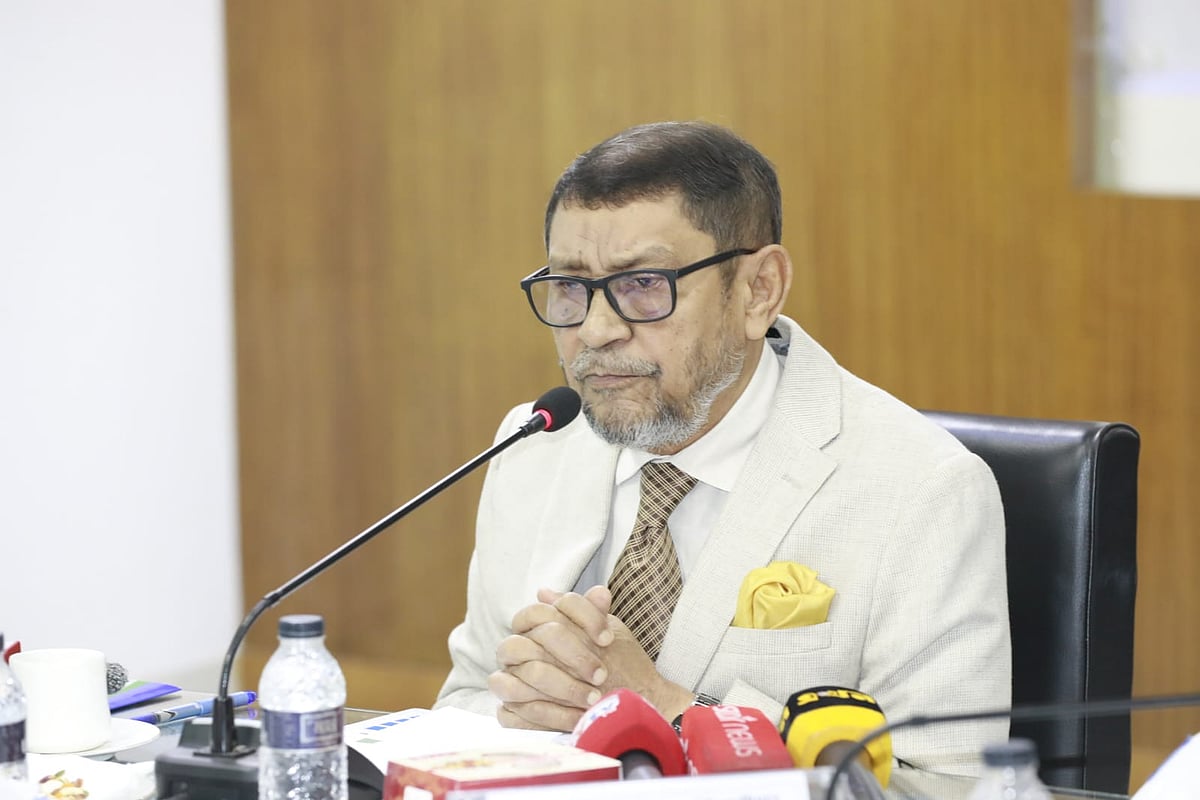
Photo Collected
Bangladesh’s Health and Family Welfare Minister, Sardar Mohammad Sakhawat Hossain, has publicly acknowledged that public procurement processes within the health sector are frequently manipulated to favor specific contractors. Speaking at a workshop in Dhaka on Wednesday, the minister noted that tender conditions are often intentionally drafted to exclude all but a pre-selected vendor, a practice frequently flagged by government auditors.
The event, hosted at the International Mother Language Institute, presented research findings from the Power and Participation Research Centre (PPRC) on the deficiencies in the national public health system. During an open discussion, a government official alleged that even when procurement rules are followed, staff are often forced to pay a five percent commission to auditors to avoid formal audit objections. Addressing these claims, Minister Hossain asserted that adherence to honest practices negates the need for bribes and urged officials to report any such demands directly to his office.
বিজ্ঞাপন
The minister underscored the systemic challenges by sharing a personal account regarding a procurement file he blocked for seven days due to suspicions. Despite multiple requests for clarification, he received no satisfactory explanation from subordinates. When a rejected bidder subsequently appealed to the review board, the initial decision was overturned, validating the minister’s skepticism. He also cited the purchase of two radiotherapy machines during the previous administration for 180 million taka—a 70 million taka markup over their market value—which remain unused in Faridpur and Khulna because the necessary bunkers were never constructed.
The PPRC research, led by chairman Hossain Zillur Rahman, utilized data from 95 in-depth interviews and financial reviews across 22 public health institutions. The study identified significant barriers to effective budget utilization, noting that while average spending reached 85 percent in the 2024-25 fiscal year, 94 percent of institutions failed to utilize their full allocations. Key contributors to this inefficiency include the fear of audit objections, a lack of financial training for physician-administrators, and bureaucratic delays in reallocating funds.
বিজ্ঞাপন
Patient care remains severely hampered by a lack of resources, according to the report. Availability of essential medicines is critically low, standing at just 11.5 percent in medical colleges and specialized hospitals, and approximately 23 percent in district and sub-district facilities. While the Essential Drugs Company Limited (EDCL) currently provides 62 percent of public hospital supplies, researchers indicated this could rise to 90 percent if demand-side inefficiencies were resolved.
Diagnostic services face similar crises, with 43 percent of service disruptions attributed to shortages of chemical reagents, 34 percent to broken equipment, and 19 percent to a critical lack of skilled staff. The Ministry currently faces a 40 percent vacancy rate for medical technologist positions, with 3,892 personnel filling 6,406 approved roles. Consequently, even where modern equipment exists, it often remains idle due to a lack of trained operators.
Concluding the presentation, the report emphasized that the success of the health sector cannot be measured solely by budget expenditure. Instead, authorities must prioritize timely fund release, operational efficiency, and the tangible availability of medicine and diagnostic services to ensure meaningful improvements in patient outcomes.
0%
0%
0%
0%